March 6, 2026
Circular economy and resource utilization have become essential benchmarks for measuring industrial sustainability. With rising global standards for green agriculture, the management of production by-products—specifically Spent Mushroom Substrate (SMS)—has become a central industry focus. This special session showcases proven models for producing bio-fertilizer from mushroom waste, providing producers with systematic solutions to mitigate environmental compliance risks while enhancing added value.
Core Processes and Technical Logic of Converting SMS into Bio-fertilizer
The standard process for transforming Spent Mushroom Substrate (SMS) from waste into high-value bio-organic fertilizer centers on the application of microbial fermentation technology. By selecting efficient thermophilic bacterial groups and cellulose-degrading strains, SMS can be dehydrated, deodorized, and humified within a short timeframe. Cases demonstrate that SMS treated via aerobic fermentation typically maintains an organic matter content above 40% and is rich in micronutrients and bioactive substances.
Compared to traditional open-air composting, industrial fermentation equipment effectively reduces greenhouse gas emissions and ensures a 100% kill rate of pathogens and weed seeds. These successful waste-utilization cases, based on precision control, not only alleviate environmental pressure around large-scale mushroom bases but also recycle nutrients through biological conversion, providing a standardized and quantifiable technical template for fruit and vegetable cultivation.
Market Application Scenarios and Economic Analysis of Circular Agriculture
The market competitiveness of SMS-derived bio-fertilizer stems from its unique physical structure and biological characteristics. During the business matching sessions at China Mushroom Days, multiple success stories demonstrated this organic fertilizer's significant role in improving soil physical and chemical properties and enhancing crop stress resistance. Due to the porous nature of mushroom dregs, the converted fertilizer significantly improves soil water and nutrient retention, making it ideal for arid regions or soil compaction caused by long-term chemical fertilizer use.
From an economic perspective, mushroom enterprises can transform "liabilities" (disposal costs) into "assets" (premium agricultural inputs) by establishing bio-fertilizer plants. Data show that the comprehensive cost of mass-produced SMS bio-fertilizer is far lower than commercial compound fertilizers, while its effect on quality improvement for high-value crops like tea and herbal medicine is more pronounced. This circular economy model creates a second growth curve for enterprises and meets the strict low-carbon requirements of global supply chains.
International Standard Alignment and Green Supply Chain Compliance
For companies aiming for overseas markets, Chinese standards for edible fungi emphasize the compliance value of green production in international trade. As the EU and North American markets tighten scrutiny on the carbon footprint and Product Environmental Footprint (PEF) of agricultural products, companies supported by successful waste utilization cases gain an advantage in obtaining international certifications (e.g., EU Organic, Carbon Footprint Reports). Experts note that utilizing SMS for fertilizer is not just an environmental requirement but a key strategy for improving ESG (Environmental, Social, and Governance) scores.
Test reports displayed at the exhibition confirm that the bio-fertilizers produced via this process fully comply with the safety standards of major trading nations. By providing global technical interpretations at the expo, the event builds a bridge for Chinese enterprises to enter premium international supply chains. International buyers increasingly prioritize suppliers with complete resource recycling systems; thus, a mature SMS treatment solution has become an invisible asset in winning international bids.
Conclusion
Producing bio-fertilizer from mushroom residue is no longer a theoretical concept but a commercially viable path. The promotion of these waste-utilization success stories effectively balances industrial expansion with ecological protection. Amid the global pursuit of sustainable development, enterprises should actively leverage the technology and trade platforms provided by the expo to build a competitive green industrial system through supply chain optimization and resource cycling.
About Us
The China Chamber of Commerce of Foodstuffs, Native Produce and Animal By-Products (CFNA), supervised by the Ministry of Commerce of China, is the nation's largest agricultural trade organization, serving over 6,000 member companies.
The Edible Fungi and Products Branch of CFNA, established in 2002, coordinates the import and export trade of edible fungi, representing over 100 backbone enterprises involved in production, processing, and trade.
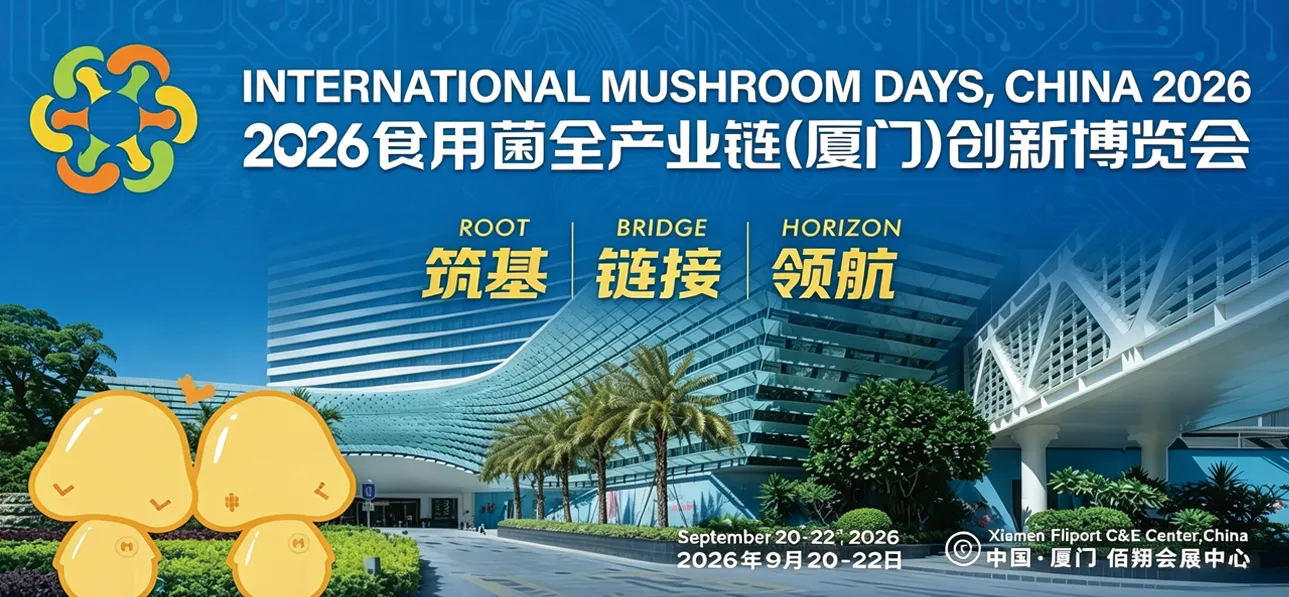
China Mushroom Days, hosted by CFNA, is a highly influential professional exhibition in the edible fungi sector. It brings together government leaders, industry experts, top producers, and procurement heads to create a platform for technical exchange, brand display, and industrial synergy.
Website: www.chinamushroomdays.com/mushroom-waste-biofertilizer-case
FAQ
Q1: How do you solve the problem of incomplete fermentation in SMS bio-fertilizer production?
A: Experts recommend a secondary fermentation process and forced ventilation systems to maintain internal temperatures between 55°C-65°C for at least 15 days to ensure full decomposition via biothermal energy.
Q2: Can fertilizer produced from SMS be used directly for organic crops?
A: Yes, as long as the SMS source is free of prohibited additives and the fermentation meets organic certification standards.
Q3: Is this waste utilization model feasible for small and medium-sized enterprises (SMEs)?
A: The expo promotes a "Regional Centralized Treatment" model, where multiple companies co-build a center to reduce marginal costs through scale.
Q4: What are the advantages of SMS bio-fertilizer over traditional livestock manure?
A: It features higher cellulose degradation products and a lower risk of heavy metal contamination, offering higher safety levels.
Q5: Are there business matching activities for SMS processing equipment at the expo?
A: Yes, there is a dedicated zone for environmental protection and resource utilization equipment with specialized sessions for SMS treatment matchmaking.
Q6: How can the nutrient content of SMS bio-fertilizer be technically enhanced?
A: Common practices include adding nitrogen sources or specific mineral elements at the start of fermentation to precisely regulate the final NPK indices.
Q7: How is the international market acceptance of waste-derived fertilizers?
A: International buyers value low-carbon production attributes; mature waste utilization plans are now key to entering high-end markets.
创新博览会LOGO.png)
.webp)
.png)
.webp)

创新博览会LOGO-white.png)