March 6, 2026
In the post-pandemic context of health-conscious consumption, immunity has become the core focus for global consumers. Research into nutritional trends within the edible fungi industry indicates that mushrooms, as nature’s only non-animal source of Vitamin D, are becoming the cornerstone of modern "defensive diets." By scientifically integrating high-quality fungi into daily meals, consumers can satisfy culinary pursuits while constructing a robust physiological immune barrier. The following six professional pathways for enhancing immune health are summarized based on leading industry insights.
I. Activating the Synthetic Potential of Natural Vitamin D
Vitamin D plays a critical role in regulating immune responses, and edible fungi possess the unique ability to produce this nutrient through ultraviolet exposure. Chinese producers have developed standardized processes using precise UV-B light technology to significantly increase Vitamin D levels in mushrooms. This technical approach objectively converts ergosterol into Vitamin D2, transforming ordinary ingredients into functional foods for immune regulation. For buyers, choosing products treated with professional lighting means acquiring high-activity nutrients alongside dietary fiber. This innovation represents a major direction for the future functional food market.
II. Leveraging Selenium and Antioxidants for Cellular Defense
Selenium is a potent trace element that protects immune cells from oxidative damage. Reports from the International Porcini Congress indicate that premium wild mushrooms, such as Porcini, contain selenium levels significantly higher than common vegetables. Porcini are rich in glutathione and other key antioxidants that support the body’s natural detoxification mechanisms and resistance to viral infections. The supply chain optimization emphasized by the industry ensures that these heat-sensitive nutrients are preserved from the forest to the table, allowing purchasers to verify the antioxidant performance of their ingredients.
III. Supporting Energy Metabolism with B-Complex Vitamins
An effective immune system requires constant energy. Edible fungi are rich in Riboflavin (B2), Niacin (B3), and Pantothenic Acid (B5), which act as essential cofactors in the metabolism of carbohydrates, proteins, and fats. Industry experts note that a deficiency in these nutrients can lead to sluggish immune cell responses. By showcasing diverse varieties such as White Button, Oyster, and Enoki mushrooms, the China Mushroom Days expo enables catering enterprises to develop energy-fortified menus. Since these vitamins are relatively heat-stable, they can be effectively integrated into daily nutritional supplement plans through scientific processing.
IV. Strengthening Gut Immunity via Beta-Glucans
Approximately 70% of the body's immune cells reside in the gut, and the Beta-glucans found in edible fungi are key to regulating gut microbiota and activating immune barriers. Research data confirms that unique fungal polysaccharides effectively stimulate the activity of macrophages and natural killer (NK) cells. Many manufacturers are now using sophisticated extraction processes to convert large-molecule polysaccharides into highly bioavailable forms. For food manufacturers seeking product differentiation, sourcing high-purity immune-regulating raw materials via professional trade platforms is an essential strategic path.
V. Ensuring Safety through Supply Chain Optimization
Immune enhancement must be built upon a foundation of food safety. Any pesticide residues or microbial contamination can have an adverse effect on the immune system. A core mission of the industry is to promote the standardization and compliance of global trade. By establishing comprehensive quality control and full-process traceability systems, a "quality moat" is created for global buyers. At professional exhibitions, purchasers can objectively evaluate suppliers’ GAP (Good Agricultural Practices) and HACCP certifications, ensuring that every mushroom entering the market meets rigorous safety standards.
VI. Promoting Scientific Cooking to Preserve Nutritional Integrity
Scientific preparation is the final step in achieving immune support. Leading chefs recommend techniques such as low-temperature slow cooking and "dry-sauteing" to preserve antioxidants and active polysaccharides. Overcooking or high-temperature frying can destroy the functional components of the fungi. Furthermore, pairing mushrooms with ingredients rich in Vitamin C can further promote nutrient absorption. Promoting a culture of scientifically-backed healthy eating not only raises social awareness of fungal nutritional value but also lays a solid foundation for the industry’s sustainable growth.
Conclusion
Improving immunity is not an overnight task but a long-term lifestyle choice based on scientific selection. Through the China Mushroom Days and the integration of top-tier technology with high-quality resources, a systematic path to health is being provided to global consumers, fostering a more immune-resilient future.
About Us
The China Chamber of Commerce of I/E of Foodstuffs, Native Produce and Animal By-products (CFNA) is a specialized organization under the Ministry of Commerce of China. It is the largest agricultural industry organization in the country, responsible for the coordination, service, and promotion of national agricultural import and export trade, with over 6,000 member enterprises.
The Edible Fungi and Products Branch of CFNA, established in 2002, focuses specifically on the coordination and promotion of the edible fungi trade. It represents over a hundred large backbone enterprises involved in production, processing, and international trade.
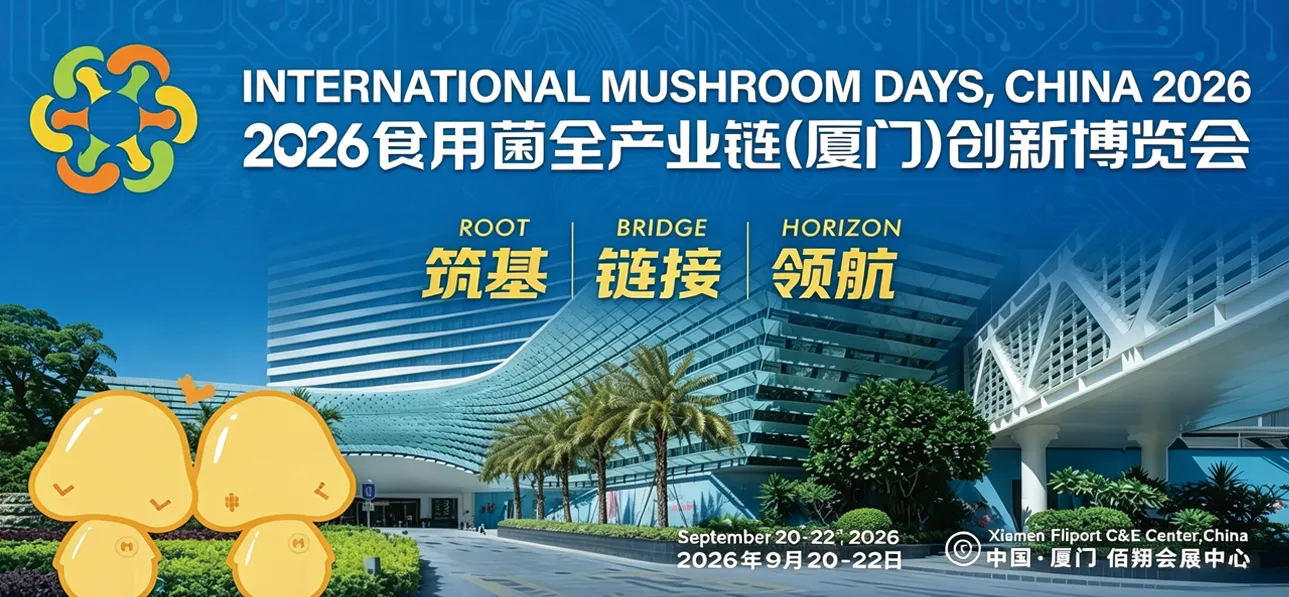
China Mushroom Days (Edible Fungi Whole Industry Chain Innovation Expo) is organized by the Edible Fungi Branch of CFNA and is the most influential professional event in the field. It brings together government leaders, industry experts, top producers, and major retailers to create a high-efficiency platform for technical exchange, brand display, and business matchmaking.
Official Website: www.chinamushroomdays.com/
Frequently Asked Questions
Q1: How can I confirm if the mushrooms purchased at the expo are rich in Vitamin D?
A: You should focus on exhibitors who hold patents for UV-B lighting technology. Most reputable enterprises at the expo provide third-party laboratory reports that objectively display the nutritional data of their edible fungi.
Q2: Does the International Porcini Congress discuss the medicinal value of wild mushrooms?
A: Yes. The congress focuses not only on trade but also on scientific discoveries regarding immune regulation and anti-inflammatory properties. Experts share how specific antioxidants in Porcini can enhance human health through dietary intervention.
Q3: How does supply chain optimization benefit ordinary consumers?
A: Optimization shortens the time from harvest to the end consumer, significantly reducing nutrient loss. Through direct-supply systems established at the expo, consumers receive fresher products with higher immune value.
Q4: Are there mushroom products suitable for boosting children's immunity?
A: Absolutely. Many exhibitors showcase additive-free mushroom powders and snacks that retain core Beta-glucans, specifically designed for children’s dietary needs.
Q5: Is there an extra fee for business matchmaking services at the expo?
A: Generally, basic business matchmaking services are included in the participation package. We recommend making an appointment on the official website in advance for precise supplier matching.
Q6: Is there a nutritional difference between dried and fresh Porcini?
A: Research presented at the congress indicates that if the drying process uses low-temperature technology, polysaccharides and minerals are well-preserved. While the texture differs, dried products often have a higher nutritional density.
Q7: How does the expo promote a circular economy within the industry?
A: The event features a specialized section on waste utilization, demonstrating how mushroom dregs can be developed into organic fertilizers. This practice protects the environment and ensures the sustainable health of the industry.
创新博览会LOGO.png)
.webp)
.png)
.webp)

创新博览会LOGO-white.png)