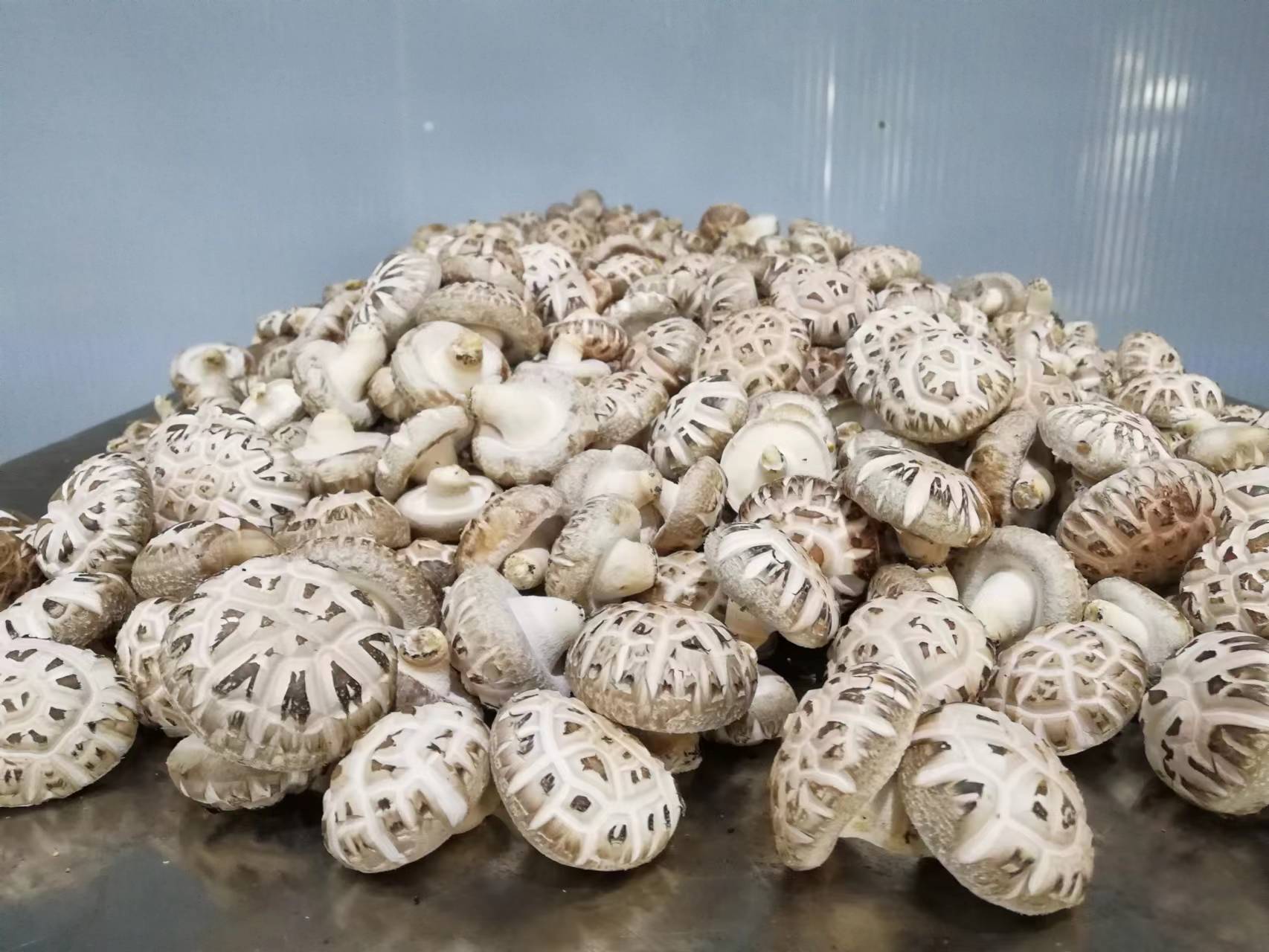
Good Shiitake: Why Here, of All Places?
—— Starting from 31–33°N
How much can origin really change a single shiitake?
I still remember the aroma of flower shiitake stewed with old hen that I had in Suizhou and Shiyan. When I visited Suizhou this March for research, we picked a few fresh slab mushrooms that had already produced their fifth flush and took them to a small restaurant to cook. The aroma was rich, the texture springy and chewy, and the meal was thoroughly enjoyable.
The fifth flush, and still so fragrant and so good?
Since 2003, I have been coordinating and managing the import and export of fresh and dried shiitake in China. Over more than two decades, one production region has made me increasingly want to study it seriously.
Suizhou, Xiangyang, and Fangxian and Yunyang in Shiyan in Hubei; Xixia and Biyang in Henan; and parts of Shangluo in Shaanxi. Put these places on a map, and 31–33°N and its surroundings become a geographical clue worth pursuing.
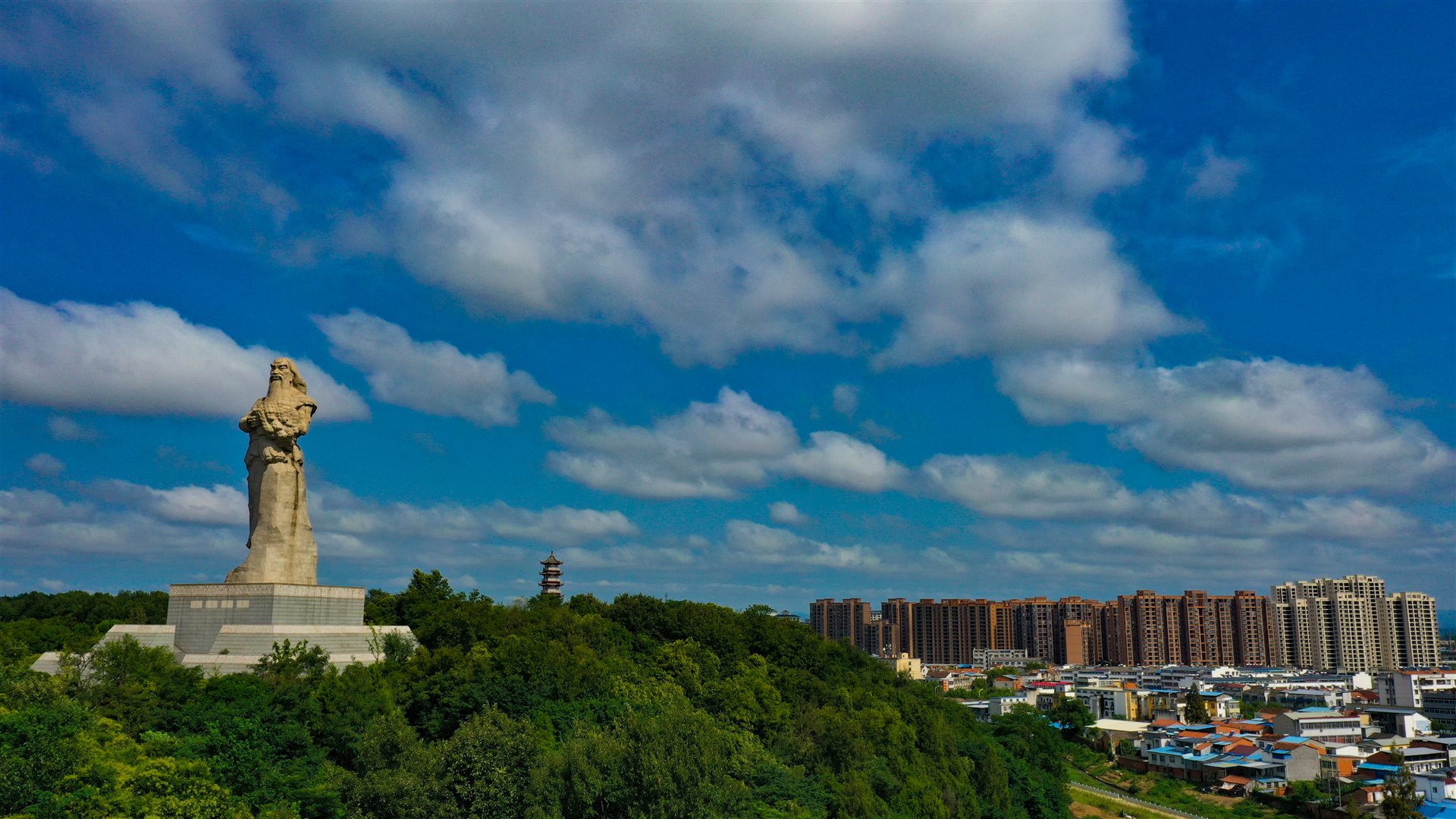
The Hu Huanyong Line shows us the pattern of China’s population distribution. Looking at shiitake, can we also discover connections on the map that we have not fully recognized before?
I sum up this thinking of mine as “China’s golden core production area for shiitake.” I once discussed this idea with Academician Li Yu, and he approved of it. How its boundaries should be defined and how its quality characteristics should be verified deserve joint study.
Let us start with Suizhou: what exactly makes its shiitake good?
On the table, whether it smells fragrant, whether it has flavor, whether the flesh is thick and firm—the senses tell us most directly. And those flower shiitake with beautiful cracks opening on their caps—why do they make people remember both how they look and how they taste?
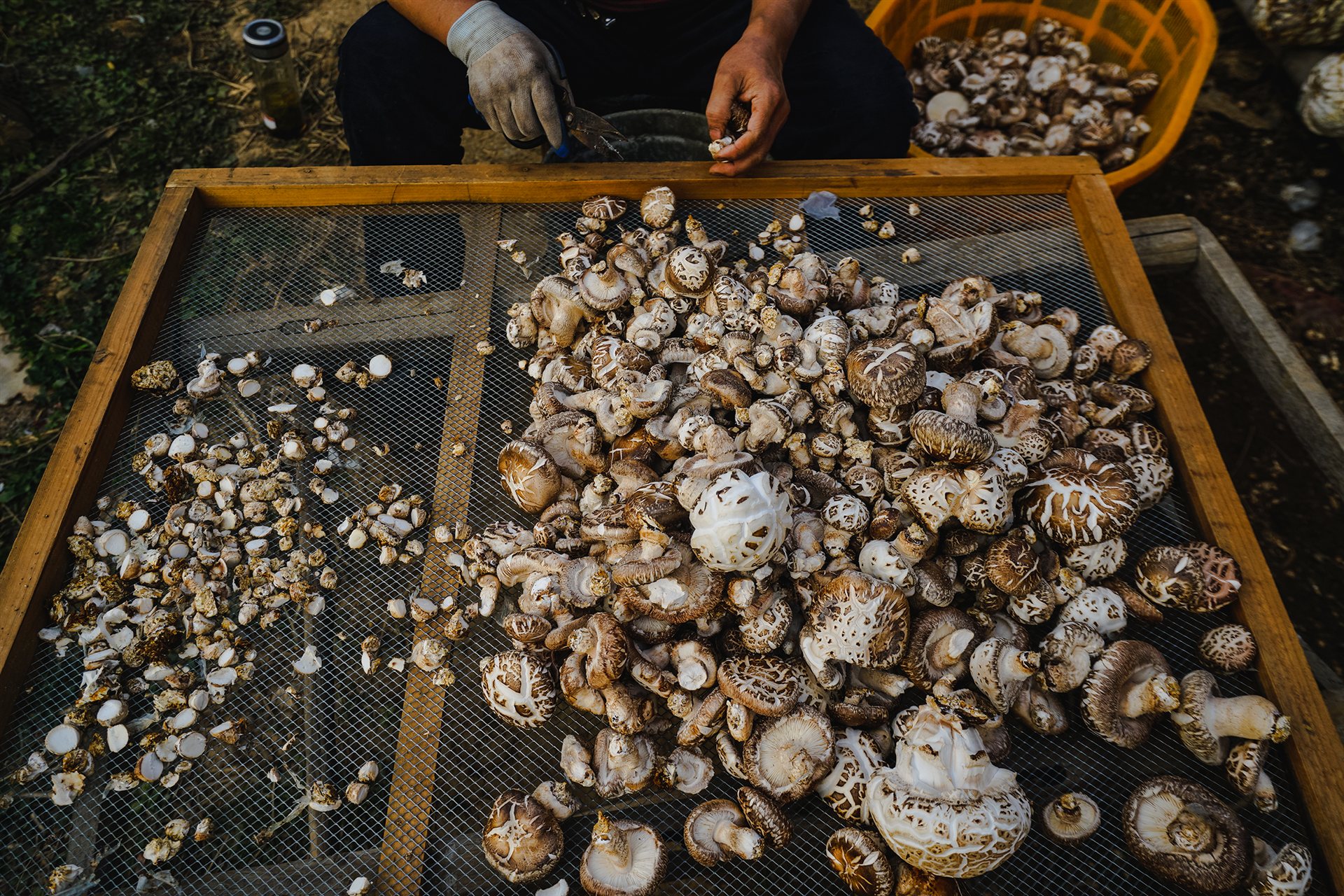
For buyers in restaurants and hotels, choosing shiitake means more than checking specifications and comparing prices; it also means taking them into the kitchen and trying them out: stew the same pot of chicken soup, stir-fry a plate of fresh mushrooms—what difference do shiitake from different origins and grades actually show in aroma, texture, and the result on the plate?
Facing younger diners born in the 1990s and 2000s, can these differences make them feel that the dish is truly delicious and keep thinking about it after they have eaten?
If we compare only the price per jin, without comparing whether the dishes made from them taste good, will we miss good ingredients truly worth buying?
And if they taste good in a trial, can the same quality be maintained in long-term purchasing? Can the specifications, quality, and delivery of every batch give buyers confidence and make things easy for chefs?
This takes us further back: how is this quality grown and made?
Spawn can be understood as the “seed” for growing shiitake; wood and other cultivation materials are the “rations” for its growth. What difference do the choice of seed and the choice of rations make to the final quality?
There is also the landscape. What roles do the terrain of the Qinling Mountains and surrounding highlands, the local forests and water sources, and the temperature differences and moisture changes during the fruiting season each play? What conditions are related to the beautiful patterns, the thick flesh, and the rich aroma?
And there is human craft. How the substrate logs are made, how fruiting is managed, when to harvest, how to dry and roast. From spawn and raw materials to climate, cultivation, and drying, why can a shiitake be so fragrant, so springy, and leave the mouth full of aroma after eating? How much expertise lies behind it all?
Why pursue these questions? Because there have been lessons.
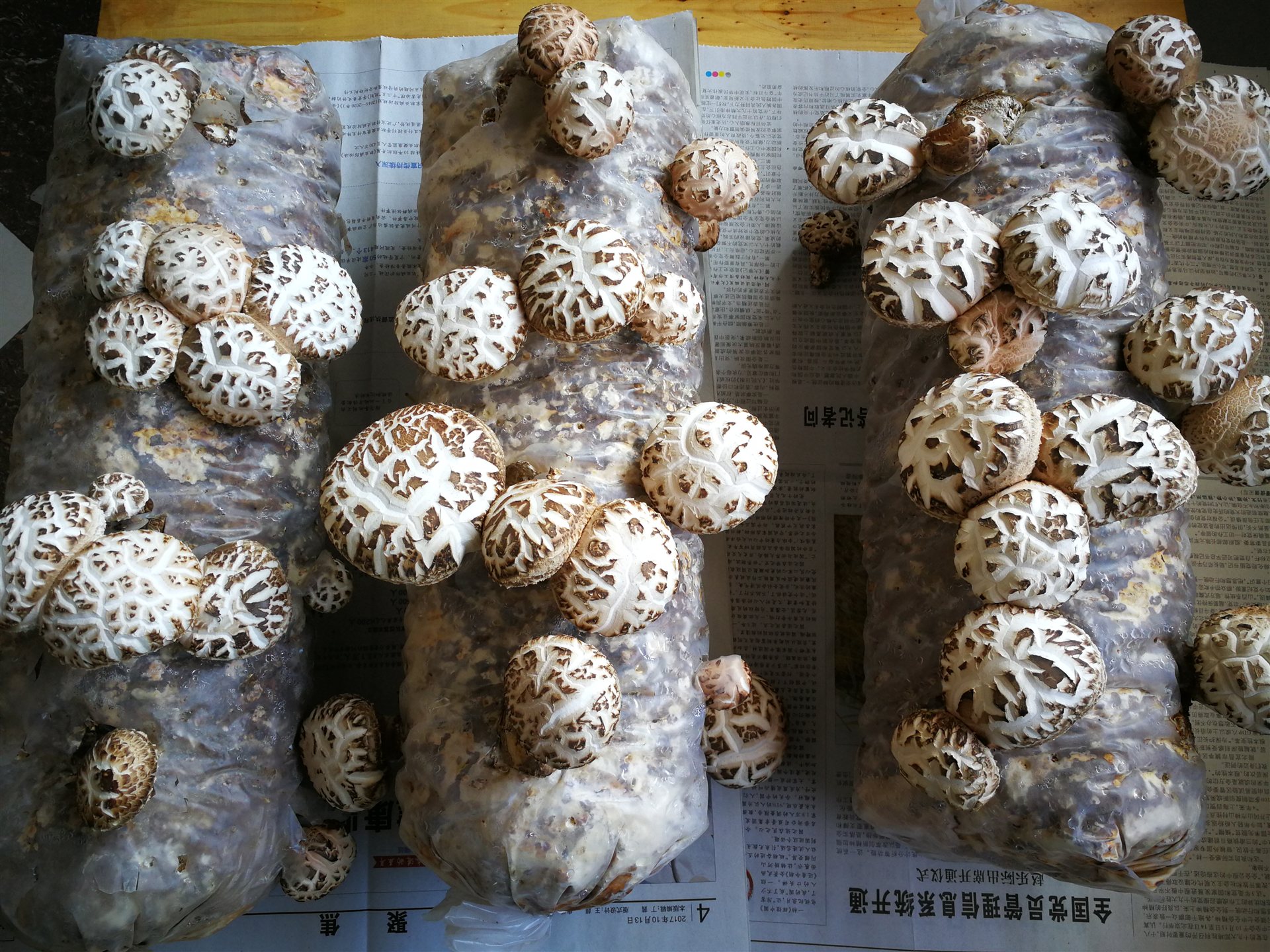
During the poverty-alleviation period, I came across some projects that learned from Suizhou’s large-log shiitake model. The so-called “large log” is a large substrate log filled with growing material and used to cultivate shiitake. Some places copied it but did not achieve the expected results; some paid a heavy price.
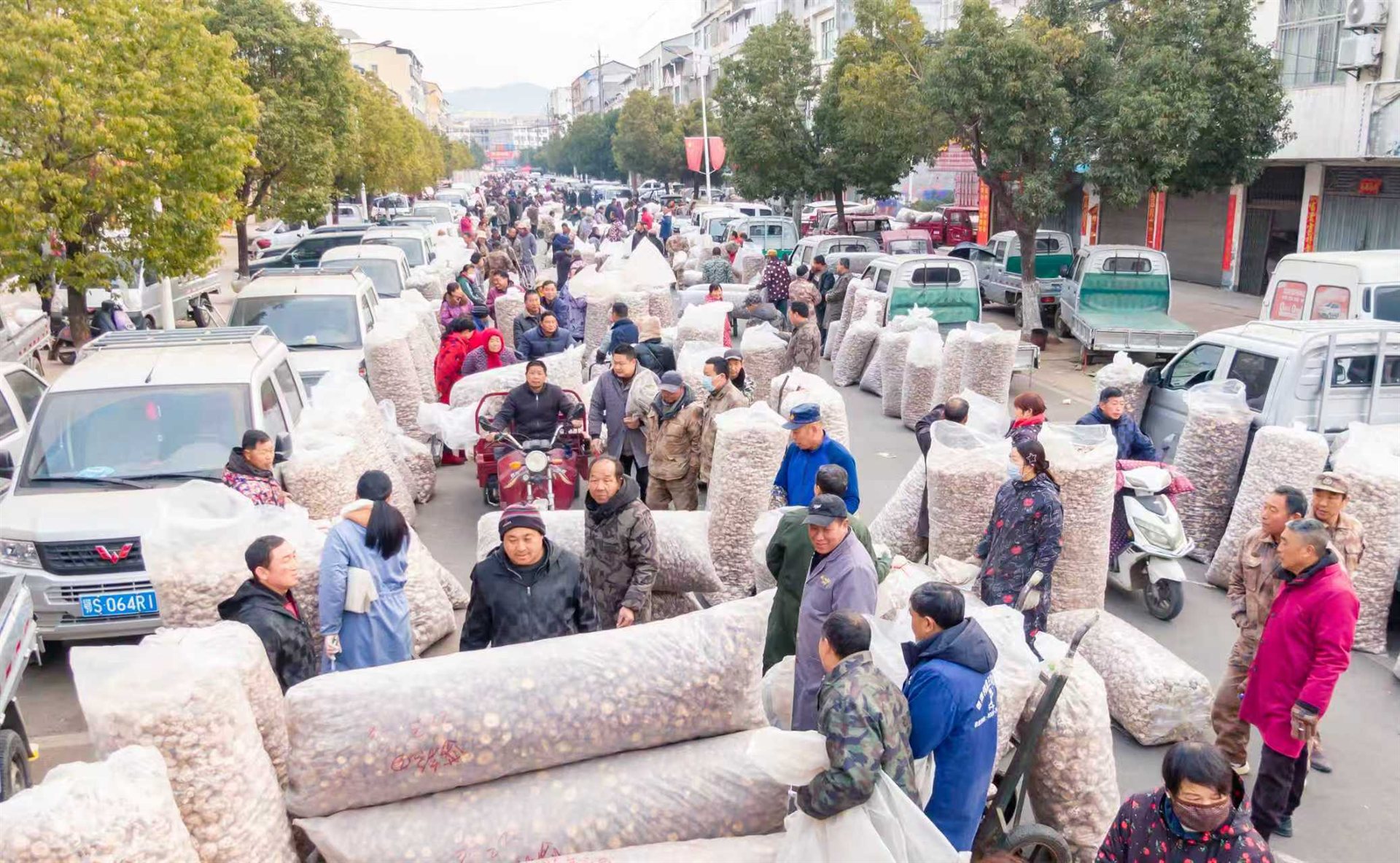
Why was it that when the logs were moved and the methods learned, quality and efficiency did not move with them?
Did we learn the practices in front of us, or did we truly understand the conditions under which those practices work?
The story of the Moutai relocation experiment also raises the same question for me: raw materials, equipment, and technicians can be relocated, but can all the conditions that form a local flavor be replicated together?
For shiitake, what can be replicated, what needs adjustment, and what must be explored anew locally?
There is also a kind of accumulation that cannot be seen on a map.
More than forty years ago, Professor Yang Xinmei carried out selection and breeding of improved shiitake varieties and the extension of cultivation in Sanligang, Suixian. Since then, researchers and generations of mushroom farmers have kept exploring and accumulated today’s production experience.
When to ventilate, when to retain moisture, when to harvest, how to dry and roast—behind these judgments that experienced farmers take for granted, how many years of observation and practice lie?
If one learns only how to make a substrate log but does not understand these judgments, can one really be said to have learned to grow good shiitake?
Looking back at 31–33°N and its surroundings, I would like to invite everyone to think together: how much value in China’s “golden core production area” for shiitake remains unrecognized by us?
What makes Suizhou shiitake good? How much comes from the landscape, how much from technology, and how much from generations of accumulation?
Could those inside it, because they are too familiar with it, underestimate what they have?
If we cannot even explain clearly what makes it good and why it is good, on what basis can we make consumers remember it, trust it, and be willing to choose it again?
If these questions are studied thoroughly and explained clearly, can we further form quality standards that buyers can understand and suppliers can meet? So that restaurants and hotels can choose good mushrooms and keep getting good mushrooms of stable quality in the long term; so that local governments know what to protect and support; and so that practitioners understand where to focus their efforts.
How can the origin advantages of Suizhou shiitake become good flavors that can be tasted at the table, reliable quality that buyers can trust, and solid income for mushroom farmers?