Everyone Is Finding It Hard — What Is the Suizhou Shiitake Conference Really Trying to Solve?
It is Saturday today. Dongming and I are working overtime in the office, continuing to think through the content and program of the Suizhou Shiitake Conference.
These are difficult times for everyone. Companies need to survive, growers need income, and the industry must offer young people a future they are willing to work for and consider worthwhile. People spend their time and travel costs to attend a conference, so we must be clear: what exactly can this event bring them?
I keep thinking: what is really good about Suizhou shiitake? What is its core competitiveness? In the next three to five years, what will keep it moving forward and developing better?
We need to understand these fundamental questions before discussing specific actions. Without clear thinking, even a packed agenda may not solve the real problems.
Growing good shiitake is the foundation. The next question is how to make the market recognize it and want to buy it, how to ensure companies earn a profit, and how to give growers a fair return for a year of hard work. With this in mind, we are carefully refining five sessions.
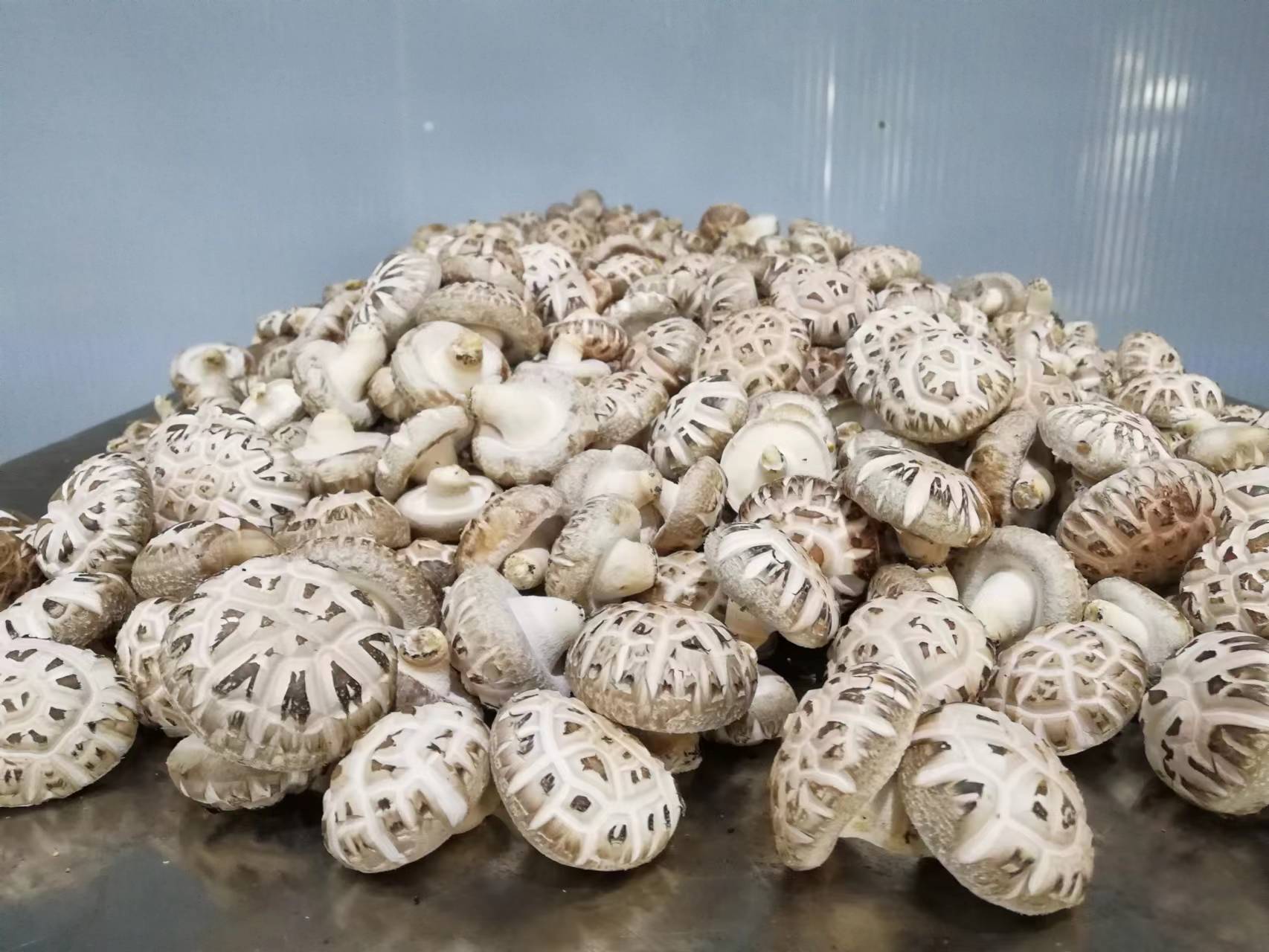
What Makes Suizhou Shiitake Good?
Only by understanding ourselves can we judge the future.
From spawn, raw materials, cultivation and drying to processing, equipment and trade — where exactly do Suizhou's long-accumulated advantages lie? What should we preserve, what needs improvement, and what has yet to be fully recognized by the market?

This session should clarify the direction. We need to recognize our strengths, face our shortcomings honestly, and build a basis for the next three to five years.
How Can Good Mushrooms Fetch a Good Price — Quality, Brand and Culture
Having recognized our strengths, we must then answer: if the mushrooms are good, why do they not always sell well?
Why do consumers choose you? Having bought once, why would they buy again? How can quality be made recognizable, how can a brand earn trust, and how can culture help people understand the origin, craft and life behind a single mushroom?
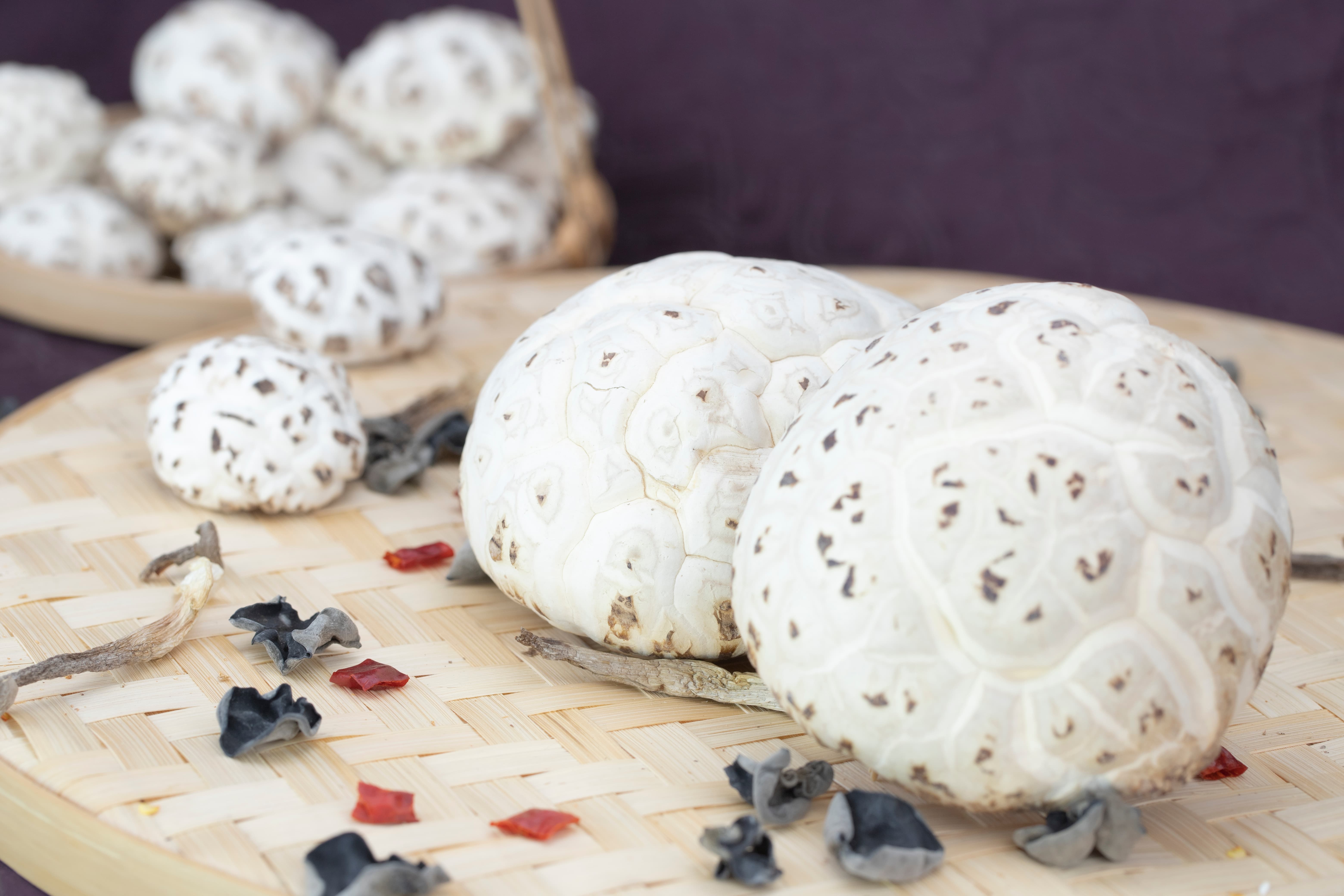
Ultimately, all these questions come down to products and purchases. We hope good quality can command a fair price, and that this value can be passed back to the production side, so that companies and growers truly benefit.
Shiitake Enters the Broader Food Industry — From Flavor to Procurement
Good mushrooms at a good price also require more people to be willing to eat them, to use them conveniently, and a broader market to absorb them.
Flower shiitake has its own value, and flat shiitake has its own uses. How can shiitake enter everyday home cooking, the catering supply chain and the food industry? How can a dried mushroom become the raw material, flavor and formula that food companies need?
This session therefore brings producers, processors and buyers together to make demand specific: who will use it, where, what specifications are required, and whether the cost is acceptable. Once these connections are made, product development will have direction and new markets can begin to open.
Stable Production and Affordable Solutions — Spawn, Cultivation and Practical Equipment
Discussing the market first and then returning to production is meant to encourage everyone to look at technology with clear demand in mind.
Can the quality customers need be produced consistently? Can the most labor-intensive and demanding steps for growers be improved? When a piece of equipment is purchased, is it suitable, how much labor does it save, and is it easy to maintain?
Spawn, cultivation and equipment should all be discussed around these practical questions. Technology must advance, but operators must also be able to afford it, use it well and make the numbers work. Only then can market requirements become stable supply, and growers feel more confident about continuing.
From Product Exports to Whole-Industry-Chain Cooperation — How Suizhou Goes Global
With products and production capacity in place, we can look further ahead: what kind of cooperation can Suizhou develop with the world?
While maintaining exports of shiitake products, can we find new cooperation opportunities in spawn, cultivation technology, practical equipment, training and services? In particular, when experience and equipment suited to small and medium-sized operators are introduced elsewhere, how should they be adapted, and who will provide ongoing services?
International cooperation must start from the other side's actual needs, and we must explain clearly and solidly what we can genuinely deliver.
These five sessions are intended to form a complete line of thinking: recognize our strengths, turn quality into value, find more uses for our products, support stable production with technology, and then bring proven capabilities to a wider market.
The program is still being refined, and the content is still being weighed. We are also studying, item by item, how to connect presentations, dialogue, physical exhibits and field visits, so that growers have a chance to voice their difficulties, companies have a chance to raise their needs, and research and the market can respond to each other.
The harder things are for everyone, the more seriously we should do something useful. If this conference can help a company find a way forward, help a grower solve a real problem, or move one cooperation one step ahead, it will have been worth our effort.
Liu Ziqiang
November 21, 2026