Suizhou Shiitake: What We Are Thinking About
Last Friday we finished inviting the speakers for the Suizhou Shiitake Conference. By rights, this weekend I could have taken a rest. But on Saturday and Sunday I was still in the office with the team, refining how the conference should be organized and presented, and calling old friends in the industry to hear their views and ask how things stand.
We have been turning over three questions:
What exactly makes Suizhou shiitake good?
What is the core competitiveness of Suizhou shiitake?
In the next three to five years, in what direction should Suizhou shiitake develop, and which path should it take?
These three questions deserve serious study, and deserve to be discussed together by people at every link of the industry. How to discuss them deeply and thoroughly, so that government, companies and mushroom growers each gain something — that is what we care about most in preparing this conference.
Friends who know me are aware that I am a second-generation mushroom man — one might even call me a die-hard veteran of the shiitake world. Since September 2003, when I joined the China Chamber of Commerce of Import and Export of Foodstuffs, Native Produce and Animal By-Products, more than twenty-three years have passed; from the pre-verification and endorsement of fresh shiitake exports to trade coordination and the response to quality and safety issues, I have lived through and taken part in a great many of these things myself.
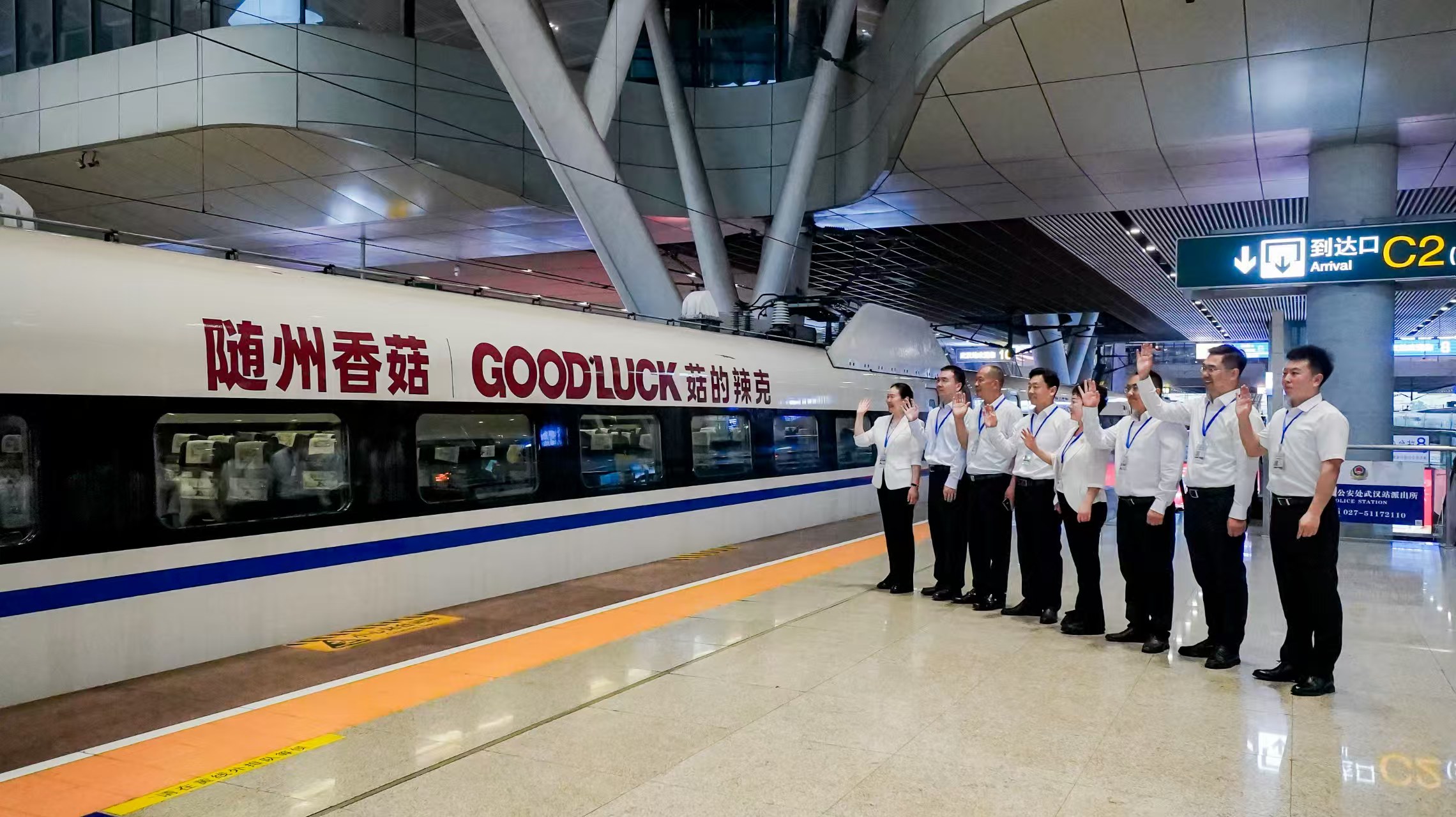
I have a shiitake complex, and an edible fungi complex too. The longer I work in this field, the more I understand that behind a single mushroom lie the livelihoods of growers, the operations of companies and the development of a whole locality. Helping companies and producing regions solve real problems and strengthening the international competitiveness of Chinese agricultural products — that is the starting point of our industry service.
Over the years, whenever a problem arises, I have a habit of asking: what is it, why is it, what should be done, and does it work? Get the facts clear, think the causes through, work out the solution, and then look at the actual results.
For the people in this industry I carry a deeper concern as well: how to survive, how to live well, how to live with dignity, how to live healthily, how to live long, how to live a full and remarkable life. Whatever we do in studying the industry and organizing conferences must in the end answer to their real circumstances and their long-term hopes.
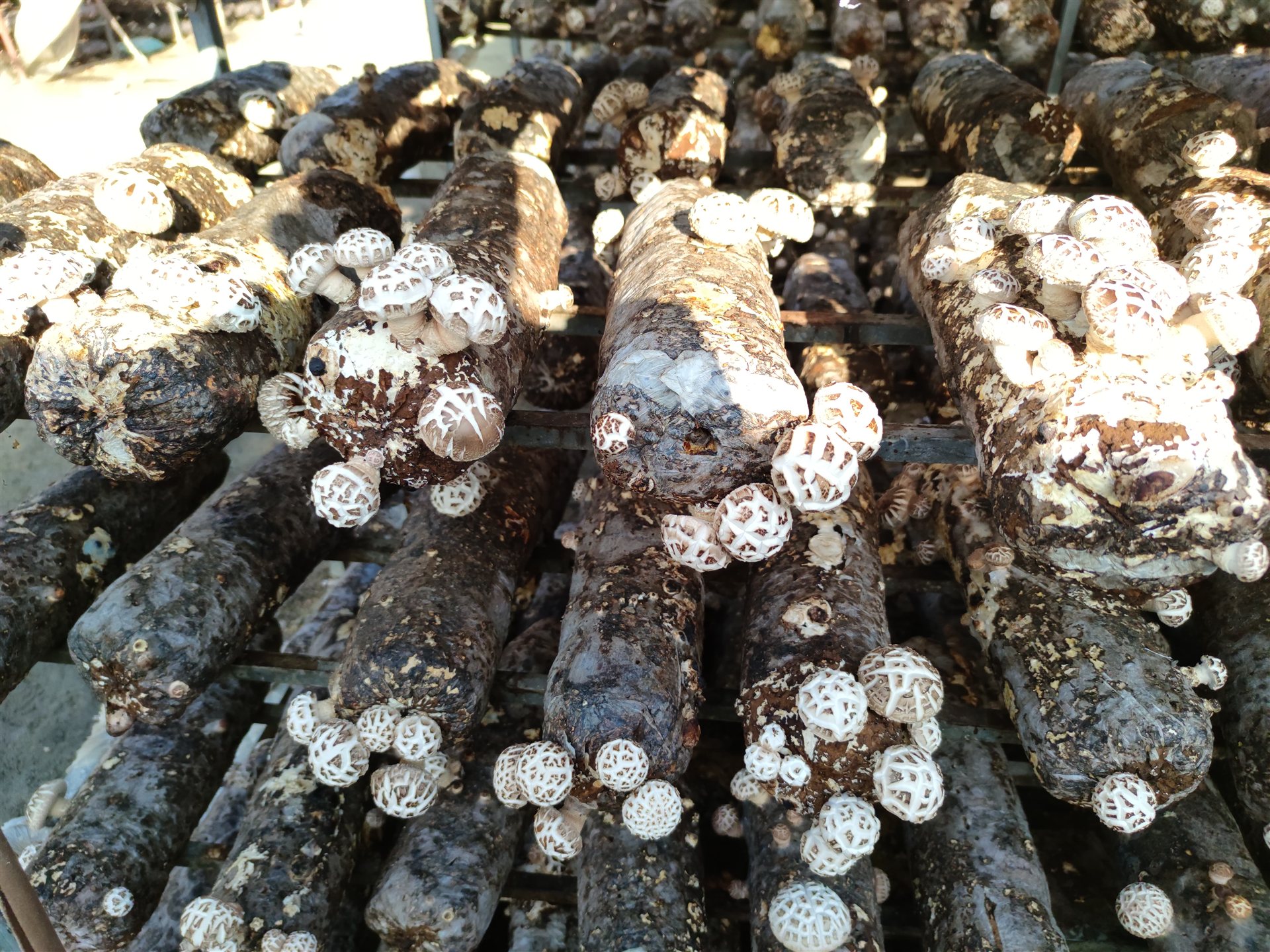
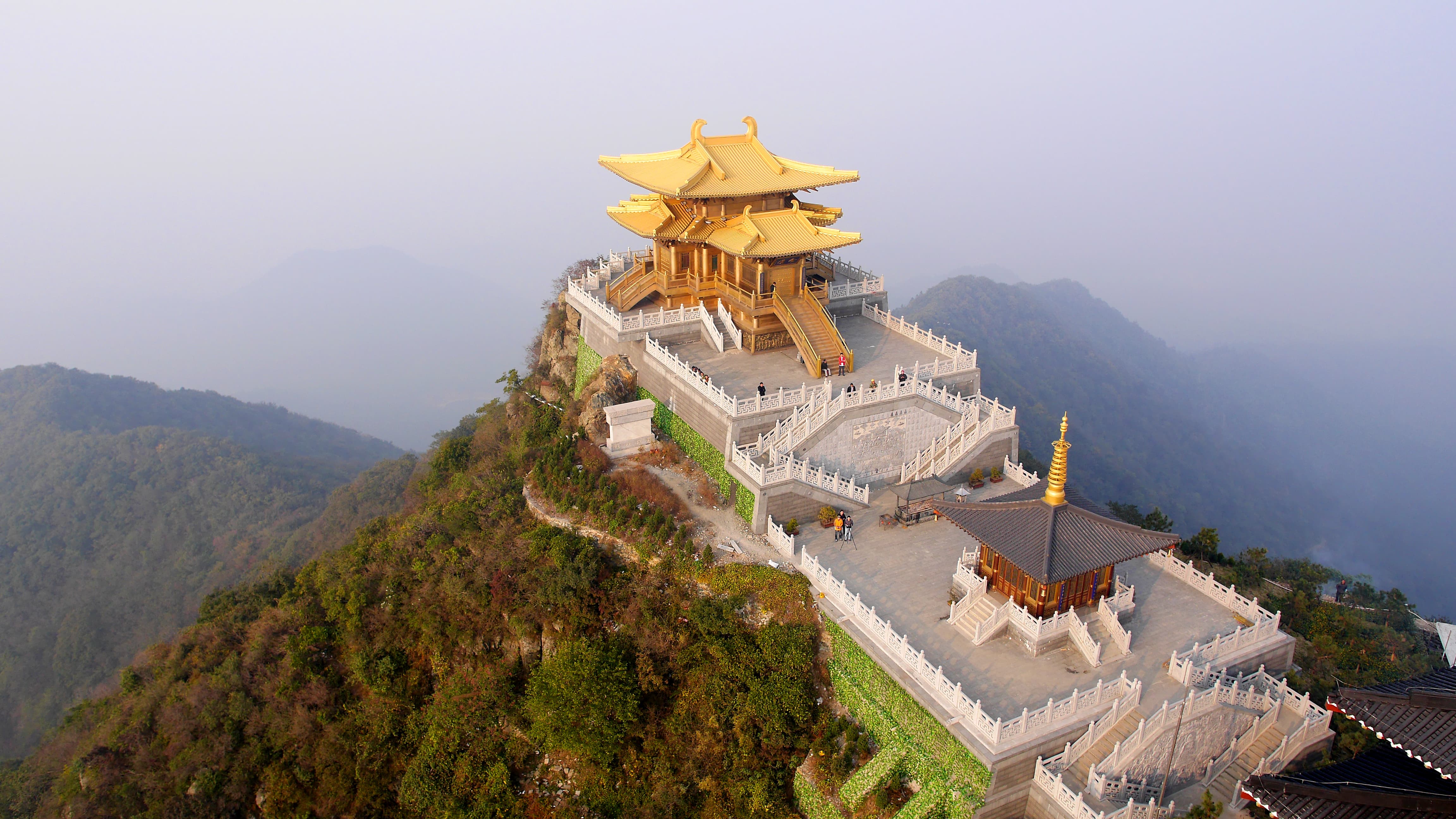
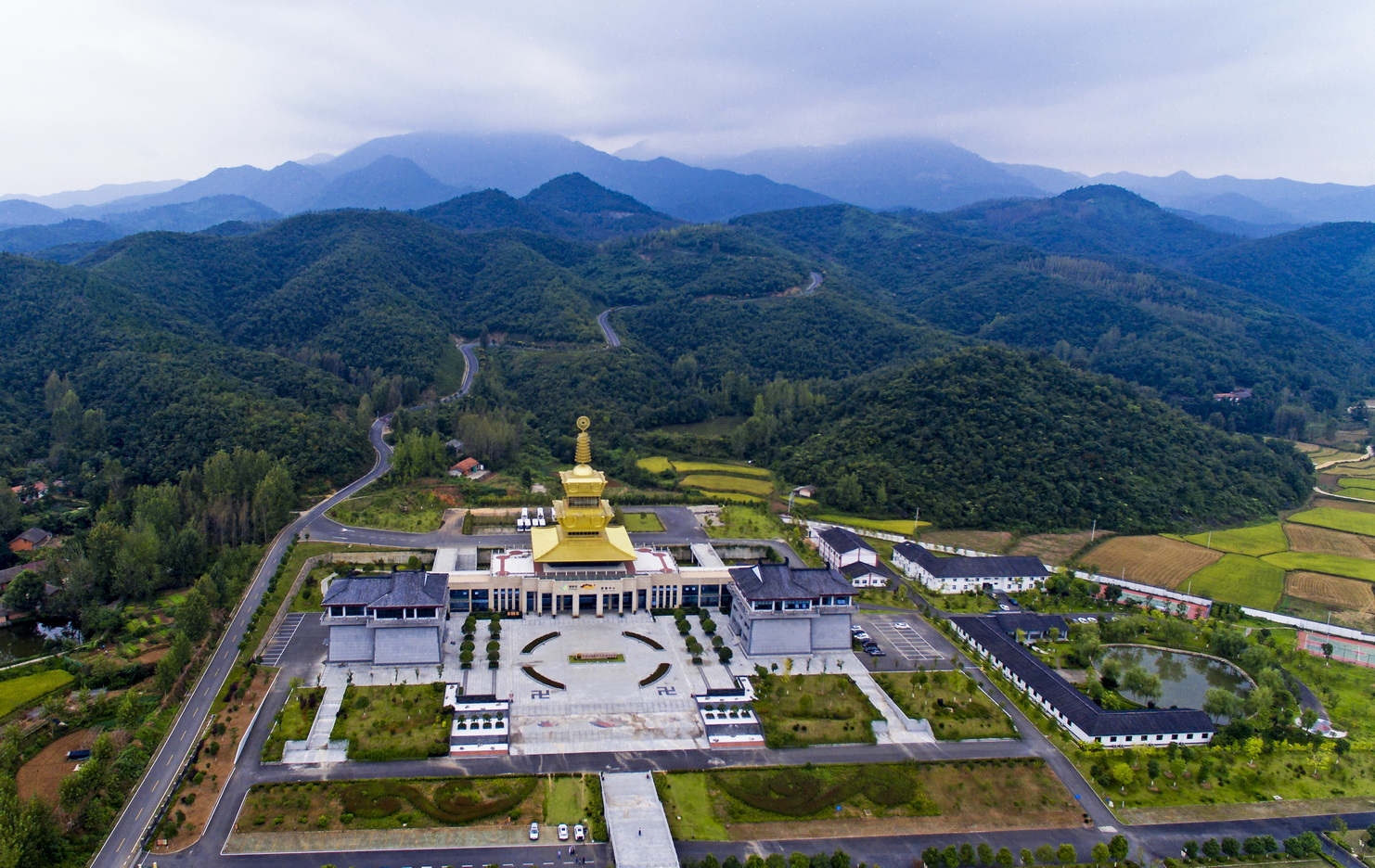
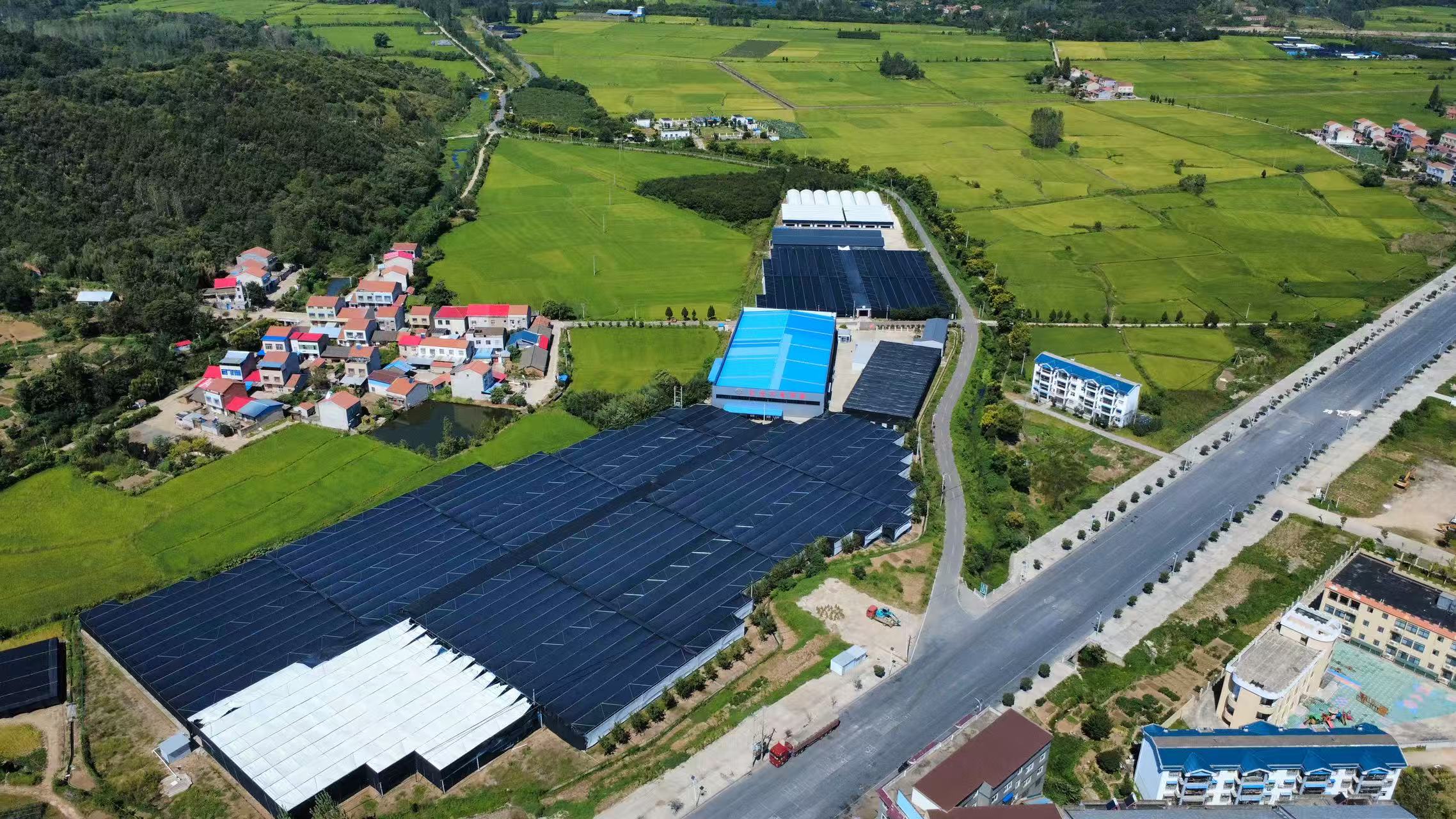
In my view, Suizhou is an important representative of China's high-quality shiitake, and the regional brand of Suizhou shiitake rests on deep foundations. Among the edible fungi producing areas I have come into contact with, Suizhou is also one of the places where the local government attaches the greatest importance to this industry.
Yesterday I sat down with several old friends who have long worked in the trade and export of fresh and dried shiitake. They speak highly of the quality and characteristics of Suizhou shiitake, and also praise the strength of local government support for the industry, believing there is much that other major edible fungi producing areas could learn from.
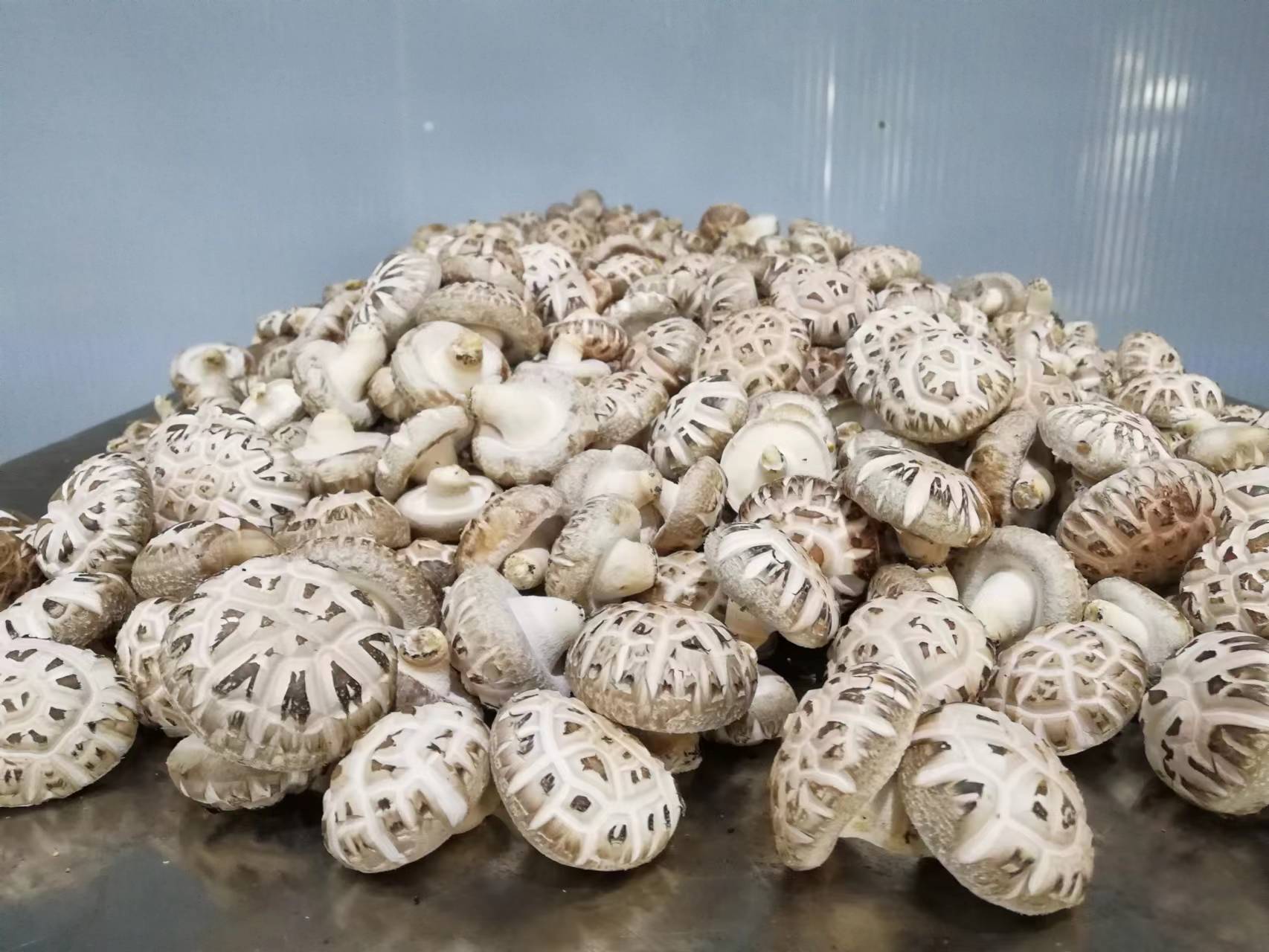
This feedback from the front line of the market makes me all the more eager to hear what local practitioners really think. I have asked colleagues at the Suizhou Agriculture and Rural Affairs Bureau to help arrange meetings with three local associations, so that tomorrow I can listen carefully to what concerns them most right now, what difficulties they have encountered, and what they hope and suggest for this conference.
We have organized many industry events, but every place has its own realities. If the conference is to stay grounded, these voices must be heard. Which questions are worth opening up, which experience needs to be explained thoroughly, and how to bring researchers' work, market experience and the needs of companies and growers into full exchange — all of this must rest on what we hear. That is why we keep communicating and refining the programme so carefully.
Facing market changes and operating pressure, everyone is thinking about the road ahead. We hope to make this conference distinctive and memorable, genuinely useful to the development of Suizhou's industry, and a source of valuable inspiration for friends from other major edible fungi producing areas.
What can people take away from this trip? And when the conference is over, what can it leave behind for the industry?
These are the two questions my team and I have kept in mind all weekend. With care and feeling, we want to take these questions deep and make them thorough, in the hope that we live up to the trust that the Suizhou government, companies and growers have placed in us — and to our own affection for this industry.
Liu Ziqiang
22 November 2026