February 26, 2026
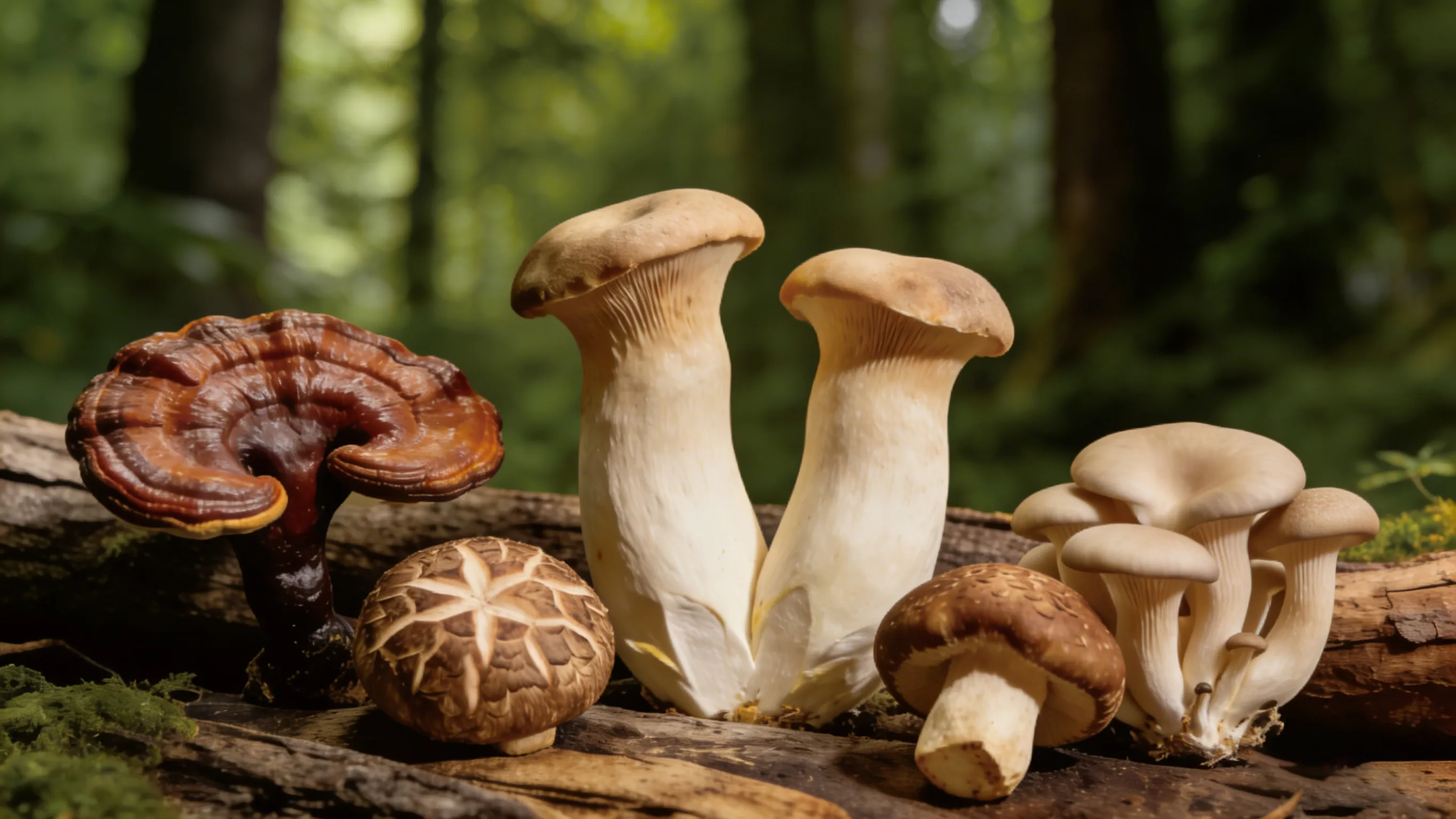
Driven by the global plant-based protein wave and sustainable diet concepts, mushrooms have become an innovative ingredient in the meat alternative sector due to their natural high protein, low calorie, and meaty texture. Overseas brand unClassic Foods, founded by food scientist Luiza Villela, centers its positioning on "redefining plant protein and making mushrooms a daily source of high-quality protein." By moving away from the "meat imitation" trap, the brand focuses on Oyster Mushrooms and Lion's Mane to create star products like mushroom nuggets, calamari, and steaks. Its oyster mushroom products contain four times the protein of regular mushrooms. With product strength and innovative marketing, it has quickly become a benchmark in Western markets, featured by media like Business Insider and entering cafeterias of tech giants like Open AI and top California restaurants within a year.
1. Brand Core: Mushrooms as the Heart, Creating a New Paradigm for Plant Protein
unClassic Foods was born from Luiza Villela's passion and expertise. Since her biology studies, Luiza discovered the unique value of mushrooms—combining the "health of a carrot" with the "taste of a nugget." This led her to believe mushrooms are the optimal solution for the plant protein sector. As a scientist, she identified the pain points of the plant-based meat market: most brands use synthetic ingredients to mimic meat, lacking natural flavor and nutrition.
Based on this, she founded unClassic Foods in California with the vision to make mushrooms convenient and accessible for everyone. The brand aims to transform mushrooms from niche ingredients to mainstream proteins, promoting a sustainable diet by reducing meat consumption.
Its core differentiation lies in breaking the "imitation" mindset. The brand doesn't mimic meat; instead, it mines the texture and fiber of mushrooms to create "Natural Nutrition + Great Taste + Convenience." This meets two key Western demands: the pursuit of natural health and the appreciation for "original food flavor" and authentic textures.
The core products include: Oyster Mushroom Nuggets, with 4x protein; Oyster Mushroom Calamari, utilizing fiber for a chewy texture; and Mushroom Steaks, offering a firm beef-like texture after searing. The brand also offers Oyster Mushroom Tips to cover home cooking, restaurant, and snack scenarios.
2. Marketing Breakthrough: Product Strength as the Base for Integrated Marketing
The marketing of unClassic Foods revolves around "Product Strength + Scenario Penetration + Cultural Empowerment," summarized in four dimensions.
Efficiency & Branding: Using Hard Data to Build Professional Recognition
Western consumers rely on "Data + Endorsement." The brand highlights "4x protein" across all channels. Backed by Business Insider and Yahoo Finance as "changing the plant protein narrative," and entering high-end cafeterias like Open AI, it uses professional validation as a quality endorsement.
Channel Strategy: B2B First to Drive B2C Consumption
Using a "B2B First, B2C Follow-up" strategy, they enter high-end restaurants and corporate cafeterias first to provide standardized ingredients. Once a reputation is built, they expand to boutique supermarkets and Amazon with frozen packs for home cooking, forming a complete marketing loop.
Content Marketing: Scenario Experiences + UGC Interaction
On Instagram and TikTok, they create a "Scenario-based Experience + Education + UGC" system. They share "5-minute mushroom nugget breakfast" tutorials and invite nutritionists to explain mushroom protein benefits. Challenges like #unClassicMushroom invite bloggers to share creative dishes, expanding reach via UGC.
Cross-over Collaboration: Products + Cultural IP for Youth Appeal
The brand launched mushroom-themed merch, including Oyster Mushroom hoodies and tote bags, upgrading to a "Healthy Lifestyle Brand." This binds product consumption with "Cultural Identity," making mushrooms a symbol of trendy, sustainable living.
3. Marketing Insights: Core Logic and Practice for Global Expansion
Product Differentiation: Beyond Mimicry to Niche Demand
The core is avoiding homogeneity. By mining high protein and meaty textures rather than following the "imitation logic," they created the "Natural Mushroom Meat Alternative" category, building a competitive barrier.
Scenario Marketing: Integrating Mushrooms into Daily Life
Marketing focuses on "Scenario-based Penetration." B2B layouts ensure consumers eat it at restaurants, while B2C packs allow easy home cooking. This transforms mushrooms from "niche ingredients" to "part of a daily diet."
Value-Based Branding: Binding with Sustainability for Emotional Resonance
By aligning with the "Sustainable Diet" concept to reduce meat consumption, the brand resonates with Western values. This identity increases brand premium and consumer loyalty.
FAQ
What are unClassic Foods' core products?
Mushroom nuggets, calamari, steaks, and tips. They are characterized by oyster mushroom bases, 4x protein, natural ingredients, and "heat-and-eat" convenience.
How does unClassic Foods differ from traditional plant-based meat?
Traditional brands use synthetics to mimic meat; unClassic Foods highlights the natural texture and nutrition of mushrooms themselves for a more authentic taste.
Why use the "B2B First" strategy?
Because mushrooms are niche, professional dining lowers the barrier for trial and builds reputation. Once recognized, the B2C market allows for scaled growth.
What is the value of their cultural merchandise?
It transforms the food brand into a "Healthy Lifestyle Brand," attracting young consumers through cultural identity and community.
What are the key trends in the Western mushroom meat alternative market?
Naturalization (clean label), convenience (ready-to-cook), and high nutritional value (high protein, no additives).
How do they build trust?
Through hard data (4x protein), authoritative media coverage, and entering professional venues like Open AI cafeterias.
How to adapt to Western dietary habits?
By creating familiar formats like nuggets and steaks and providing pre-seasoned solutions for convenient cooking.
How is sustainability reflected in their marketing?
By positioning mushroom alternatives as a solution to reduce meat consumption and environmental impact, fostering a value-based emotional connection with consumers.
Conclusion
The success of unClassic Foods validates a powerful formula for brand expansion: product as the foundation, differentiation as the core, scenario-based marketing as the path, and brand value as the soul. In the face of global consumption shifts, the key for brands to successfully expand overseas lies in gaining deep insights into international trends and leveraging the unique characteristics of mushrooms to create truly differentiated offerings.
创新博览会LOGO.png)

.webp)


创新博览会LOGO-white.png)