February 26, 2026
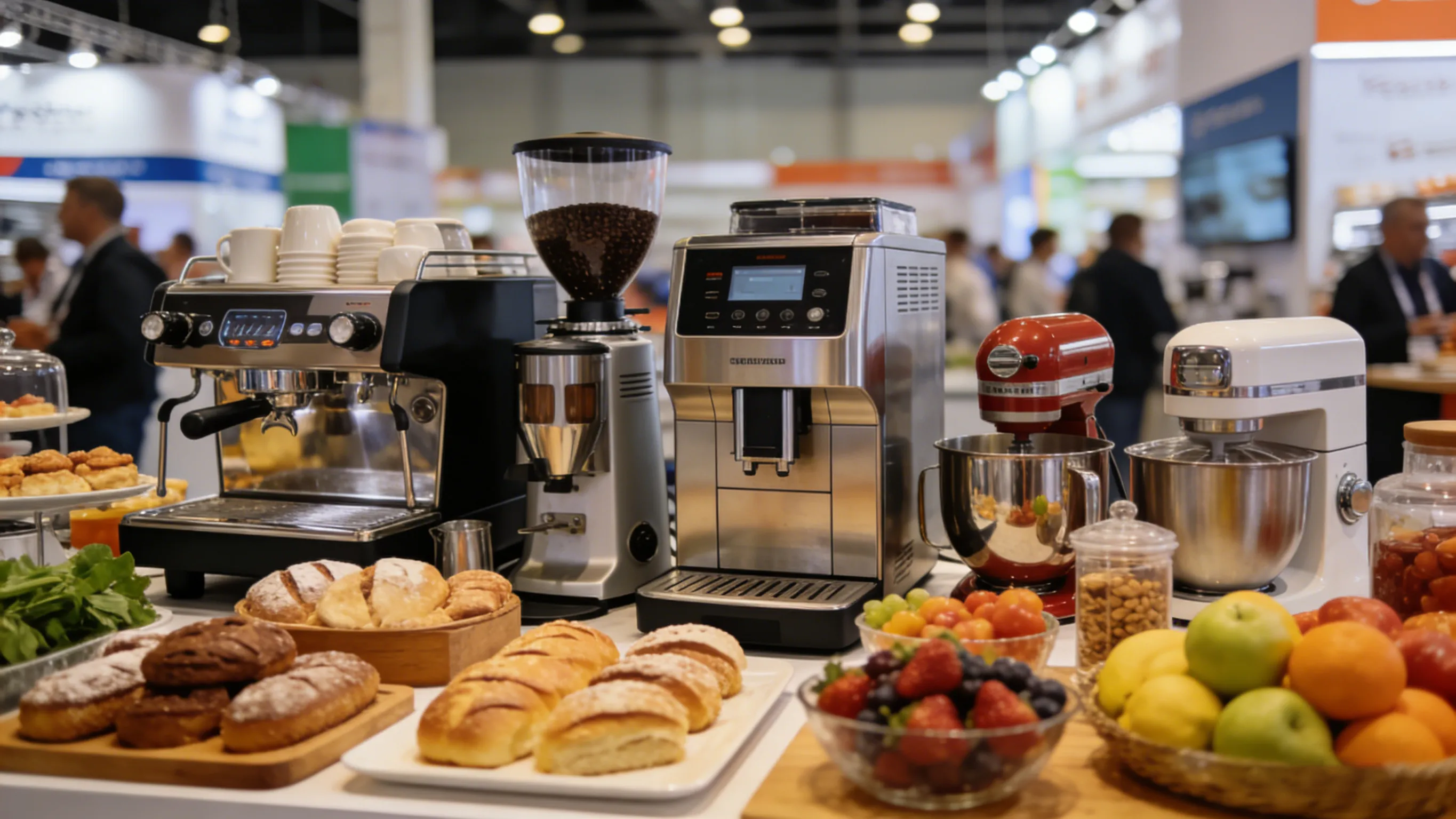
As a bellwether for the global food industry, IFT First Global Food Science & Innovation Expo brought together over 1,000 exhibitors, top industry leaders, and nutrition experts. With continuous hourly panel discussions, spectacular product exhibitions, and world-class keynote speeches, the event served as a central hub for innovation, education, and collaboration. The presence of authoritative figures, such as Jim Jones, Deputy Commissioner of the FDA, and Caree Jackson Cotright, Director of Nutrition Security and Health Equity at the USDA Food and Nutrition Service, injected professional expertise, accurately conveying the latest news and development directions of the global food industry. This exhibition not only showcased cutting-edge results in food ingredients and processing technologies but also clearly outlined seven core trends that are moving from concept to practice, profoundly reshaping the future of the F&B industry and leading new directions in food consumption and industrial development.
1. AI-Empowered F&B: From Efficiency to Innovation, Reconstructing the Entire Value Chain
At IFT First, the application of Artificial Intelligence (AI) is no longer a "future concept" but an essential tool for operators to enhance competitiveness. Its penetration covers the entire chain of restaurant operations, from R&D to customer service, and cost control to supply chain management. The industry consensus has shifted from questioning "if AI is useful" to "how to make AI serve operations better," highlighting the mature landing of AI technology in F&B scenarios.
Generative AI technology showcased by Ai Palette became a focal point. It can deeply mine consumer insights, analyze vast consumption data, flavor preferences, and health demands to rapidly generate new product formulas, significantly shortening the time-to-market. Its partner, Slate, utilizes AI to connect operators, suppliers, and over 6,000 co-manufacturers, breaking supply chain barriers and reducing innovation costs. Furthermore, AI applications are becoming more granular: intelligent ordering systems recommend dishes based on preferences; AI inventory management can reduce food waste by over 20% through precise consumption forecasting; and menu optimization AI dynamically adjusts structures based on sales and nutrition. In the future, the combination of AI and F&B will move from "tool empowerment" to "intelligent decision-making," becoming a core lever for differentiation.
2. Dual Health Orientation: Coexistence of Humans and Earth, Sustainability as Industry Consensus
The theme of "Coexistence of Human Health and Planetary Health" was central to this expo. The food industry is working together to create a healthy and sustainable food system, with upcycled ingredients and low-sugar innovation as core pillars. This approach balances consumer health needs with green industrial development.
Upcycled ingredients have become a primary sustainability trend by "turning waste into treasure," utilizing by-products from food production to create new value. DSM-Firmenich’s CanolaPRO plant protein is a typical representative; made from recycled rapeseed, it is a complete protein applicable to tortillas, bread, and baked goods. This trend is heating up globally, with brands increasingly turning vegetable scraps into sauces or grain by-products into baking ingredients, simultaneously reducing costs and practicing green philosophies.
Regarding health, solutions for low-sugar and sugar-free products remain popular, but a new "sweet spot" trend emerged—focusing on moderate sweetness. Consumers now seek products that are "low sugar with great taste," avoiding the bitterness of traditional sugar-free items. Natural sweetener companies introduced "Super Sugar 50," which is twice as sweet as sucrose but with a nearly identical taste profile, requiring only half the dosage. This solution has already been adopted by multiple brands for beverages and desserts to push low-sugar products into the mainstream.
3. Focus on Ultra-Processed Foods (UPF): Stricter Regulation and Healthy Transformation
Ultra-processed foods (UPF) were a hot topic of discussion, primarily because the USDA Dietary Guidelines Advisory Committee is conducting a comprehensive review of their health impacts, potentially including them in the 2025-2030 Dietary Guidelines. This move will profoundly impact the industry, driving it toward health-conscious and refined transformation.
According to the NOVA classification, UPFs are products undergoing intensive processing with high levels of sugar, oil, salt, and additives. As consumer health awareness rises and regulations tighten, F&B brands are actively adjusting formulas to reduce additives and enhance naturalness. For instance, brands are optimizing sauces with natural ingredients and using natural yeast in bread. Increased label transparency is also becoming an industry trend, with more brands clearly labeling ingredient sources and processing methods to build trust. Future regulation will drive the industry further toward a "less-processed, natural, and healthy" model, presenting both a challenge and an opportunity for brand differentiation.
4. The Power of Plants: From Substitution to Innovation, Unlocking Diverse Value
Plant-based ingredients shone at IFT First, shattering the perception that they are merely "animal-based substitutes." They have become core ingredients offering unique creativity and utility while helping brands lower costs. This mirrors trends in China, such as HeyTea's "Super Plant Tea" series, which sold 100 million cups and used nearly 3 million pounds of fresh kale, proving the massive market potential of niche plant materials.
Exhibitors showcased diverse applications: Ardent Mills' Richardson Oat Paste reinterprets the peanut butter cup with chocolate; Sunsweet demonstrated the versatility of chickpeas as a primary ingredient in vegan vanilla ice cream; Naturestock displayed freeze-dried avocado and purple potato powders with a 12-month shelf life, solving storage issues for fresh produce. Additionally, BranchOut Food used patented GentleDry technology for dehydrated avocado slices and crispy Brussels sprouts. POM Wonderful’s upcycled POMxL liquid pomegranate extract can effectively reduce cocoa content in desserts, helping brands manage high cocoa prices while increasing nutritional value. Plant-based dining is moving from a "niche track" to the "mass market."
5. Mushroom Craze Continues: Rising Functionality as a New Innovation Frontier
Mushrooms became a focal category, leading innovation through their nutritional value, diverse scenarios, and prominent functional properties. Beyond being meat substitutes, their potential for cognitive support, mood improvement, and energy boosting resonates with modern health demands, upgrading mushrooms from "common ingredients" to "functional ingredients."
Brands launched innovative mushroom products like M2 Ingredients' vitality mushroom blends designed for stress relief. Rhodiolife showcased a forest mushroom stress-relief drink claiming to reduce physical and mental pressure. unClassic Foods introduced oyster mushroom products as alternatives to beef and chicken nuggets, suitable for both fast food and formal dining. Varieties such as Lion’s Mane, Oyster, Chanterelle, and Portobello were highlighted on menus, with chefs unlocking flavors through various cooking techniques. As functional research deepens, mushroom products will become a new frontier for the industry.
6. Multi-Layered Texture Spheres: Sensory Upgrades for Better Consumption Experiences
As consumption upgrades, consumers look beyond "eating well" to "sensory experience upgrades." The rise of multi-layered texture spheres at IFT First vividly embodies this demand. These sweet spheres, blending texture and flavor, add multi-sensory layers to menus and have become a new highlight for attracting consumers.
Brands like Prova Gourmet and Revela Foods showcased popular texture products. Revela Foods introduced "Pearls: Flavor Burst," gel-encased spheres that melt in the mouth, available in vanilla, cocoa, and Colombian coffee flavors for cocktails and desserts. They also launched a protein brown sugar boba milk tea, integrating functional ingredients into a classic texture. Pecan Deluxe Candy Co. introduced various flavors of popping candy and boba, such as Cherry Cola, to provide a playful eating experience. This trend pushes the industry from "flavor innovation" to "sensory innovation," satisfying the demand for personalized consumption.
7. Fresh Flavor Innovation: Swicy Fusion and New Boundaries
Flavor innovation remains a core competency. This year, the innovation featured "Sweet-Heat (Swicy) Fusion" and "Cultural Empowerment." A series of new flavors injected vitality and passion into the industry, unlocking new boundaries.
Sweet-heat fusion became a mainstream trend, blending mild sweetness from sugar or cream with impactful spiciness. Revela Foods launched a Caramel Cream Cake with deep caramel notes, while Lake Chapala reinterpreted spicy flavors with combinations like Habanero Ginger and Cardamom Poblano. Gold Coast Ingredients introduced a Pineapple Black Pepper Lemonade, and Givaudan utilized Ghost Pepper blended with roasted onion and smoky wood-fire flavors for complex spicy profiles. Furthermore, citrus flavors with cultural flair—such as Yuzu, Bergamot, Kumquat, and Meyer Lemon—were presented in both sweet and savory forms, meeting the demand for personalized and diverse tastes.
8. Conclusion: Led by Trends, the F&B Industry Welcomes New Opportunities
The seven trends displayed at IFT First are essentially the result of the synergy between consumption upgrades and industrial technological innovation. From AI efficiency to dual-health sustainability, and from UPF transformation to the innovative use of plants and mushrooms, every trend is reshaping the landscape.
For F&B brands, the key to success lies in accurately capturing these trends and translating them into drivers for product innovation and operational upgrades. Whether utilizing AI to optimize operations, deploying upcycled materials, or innovating with textures and flavors, the core remains centered on consumer needs—creating healthy, delicious, and experiential products. As these trends deepen, the industry will enter a more healthy, diverse, and innovative development phase, with IFT First continuing to serve as the industry compass, leading the way to a better future.
FAQ
What is the core value of the IFT First Global Food Science & Innovation Expo?
It brings together over 1,000 exhibitors and top leaders to share the latest news and innovations through discussions and exhibitions, providing a platform for collaboration and inspiration to drive industry upgrades.
What are the main application scenarios for AI in the F&B industry at IFT First?
There are four main categories: Product R&D (e.g., Ai Palette), Supply Chain Management (e.g., Slate), Operational Optimization (e.g., inventory and waste reduction), and Menu Optimization (data-driven adjustments).
What are upcycled ingredients, and what are some examples from the expo?
They are ingredients created from food production by-products to drive a circular economy. An example is DSM-Firmenich’s CanolaPRO plant protein made from recycled rapeseed.
Why did Ultra-Processed Foods (UPF) become a focus? How does it affect the industry?
The USDA is reviewing their health impact for the 2025-2030 Dietary Guidelines. This leads to stricter regulations, optimized formulas, and increased label transparency, pushing the industry toward a natural and healthy direction.
What are the innovation highlights for plant-based ingredients at the expo?
The shift from "meat substitutes" to diverse applications, such as Ardent Mills’ oat paste, Sunsweet’s chickpea ice cream, and Naturestock’s freeze-dried powders, which solve storage and cost issues while boosting creativity.
What is the core advantage of mushroom products at the expo? Any representative products?
Their high nutritional value and functional benefits (stress relief, cognitive support). Representative products include M2 Ingredients' stress-relief blends and Rhodiolife’s mushroom beverages.
What are the characteristics of multi-layered texture spheres?
They combine texture and flavor to enhance sensory experiences. Examples include Revela Foods' "Flavor Burst" pearls and Pecan Deluxe’s popping candy products.
What inspirations do these trends offer to F&B brands?
Three points: Follow health and sustainability (upcycled/functional ingredients), leverage technology like AI for efficiency, and focus on sensory/flavor innovation to differentiate products.
创新博览会LOGO.png)

.webp)



创新博览会LOGO-white.png)