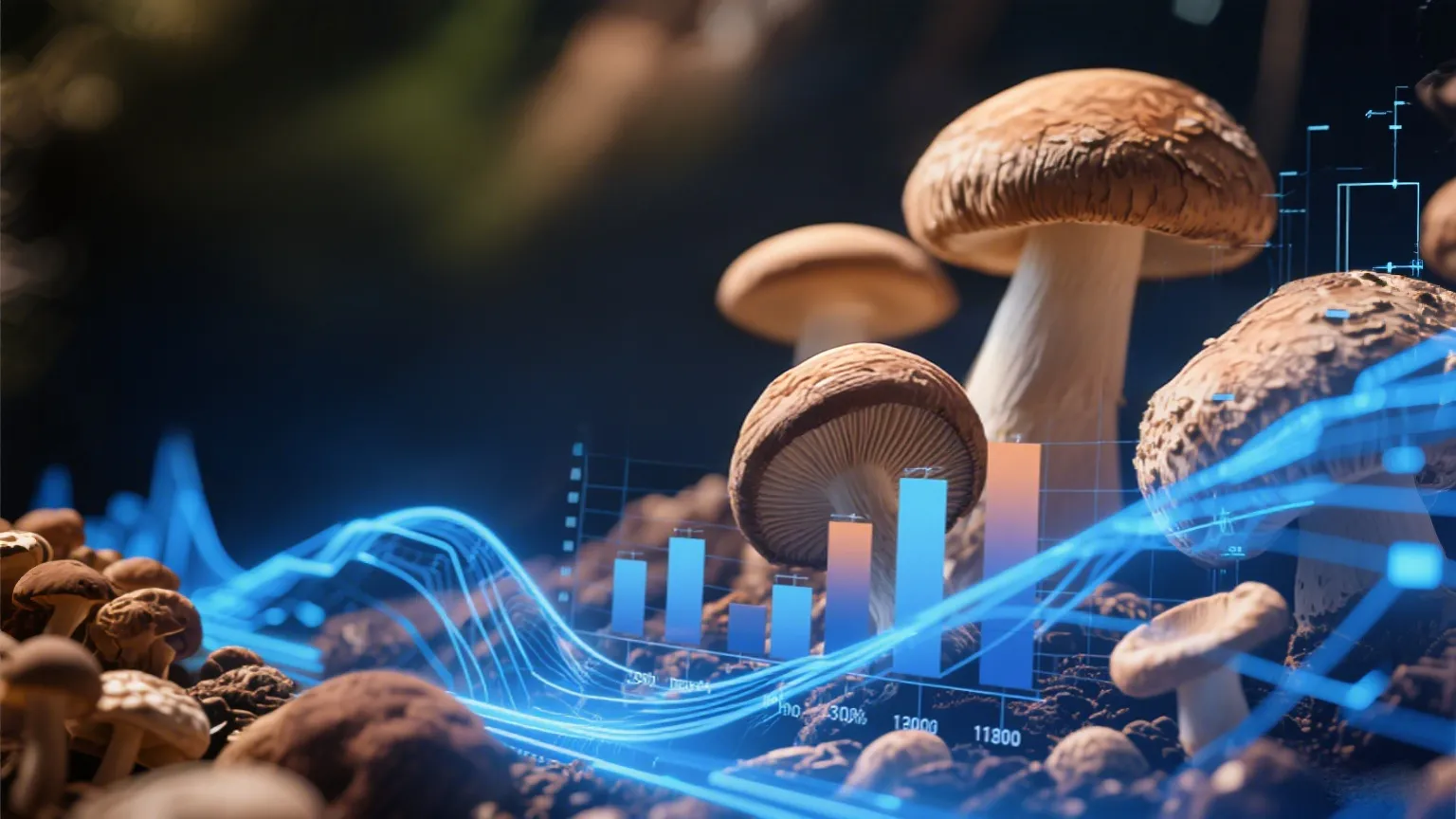
In recent years, the global mushroom industry has embraced unprecedented development opportunities, exhibiting an explosive growth momentum. As the world's largest producer and consumer of edible fungi, China plays a pivotal role in this sector. Over the past five years, the market size of China's mushroom industry has grown by over 30%. This significant growth not only reflects the market's immense potential but also heralds vast future expansion space. Driven by the rise of healthy eating trends, mushroom products have garnered widespread attention for their unique nutritional value. Rich in high-value nutrients such as proteins, vitamins, and minerals, yet low in calories and fat, mushrooms also possess distinct medicinal properties. These traits have quickly made mushroom products a hot choice across food processing, catering, and retail industries. Whether used directly as culinary ingredients or processed into health foods and supplements, mushrooms demonstrate strong market competitiveness. However, to stand out amidst rapid market shifts, enterprises must master key aspects: technological upgrades for quality and efficiency, brand building for added value, and international trade for market expansion. To assist businesses, the 【Edible Fungi Whole Industry Chain Innovation Expo】 will be held from April 14-16, 2025, at Xiamen C&D International Conference & Exhibition Center, bringing together global industry elites to analyze market trends and unlock growth opportunities.
1. Continuous Market Expansion and Diversification of Consumer Demand
(1) Healthier Diets Drive Consumption Upgrades
With rising living standards and health awareness, consumer focus on functional foods has increased significantly. Mushrooms have become vital raw materials in the health food sector. For instance, medicinal fungi like Ganoderma lucidum and Cordyceps militaris are seeing expanding applications in the health supplement market. Ganoderma lucidum contains bioactive ingredients such as polysaccharides and triterpenes that boost immunity and regulate blood lipids. Cordyceps militaris, rich in proteins, amino acids, and polysaccharides, is highly regarded for its nourishing properties.
Edible mushrooms are equally popular. Shiitake mushrooms contain polysaccharides with antioxidant properties; Enoki mushrooms offer abundant dietary fiber that aids digestion; King Oyster mushrooms provide high protein and low fat. These mushrooms can be consumed directly or processed into health products like Ganoderma spore powder and Cordyceps capsules to satisfy diverse health demands.
(2) Catering and Prepared Dishes Fuel Industry Growth
Catering demand for mushrooms continues to rise, particularly in hot pot, vegetarian, and fine dining sectors. In hot pot, mushrooms like Shiitake, Enoki, and King Oyster absorb rich broth flavors, offering an exceptional dining experience. The booming vegetarian culture also highlights mushrooms as primary ingredients in dishes like sautéed Shiitake with asparagus or King Oyster mushroom steaks.
Fine dining heavily relies on rare species such as Matsutake, Morels, and Black Tiger Palm mushrooms for their exquisite flavor and prestige. Dishes like Matsutake sashimi and Morel chicken soup remain premium favorites. Furthermore, the rapid growth of prepared dishes (ready-to-eat/cook meals) has created new momentum, with products like mushroom sauces and instant mushroom soups delivering convenience and nutrition to modern consumers.
(3) Huge Potential in Export Trade
China remains the world's top exporter of mushrooms, supplying key markets across Southeast Asia, Europe, North America, Japan, and South Korea. Trade agreements like RCEP have significantly lowered barriers and facilitated regional trade, offering broader international opportunities for Chinese exporters.
Exported products include dried, canned, and frozen mushrooms. Dried Shiitake and Enoki are popular due to ease of storage and transit. Canned mushrooms appeal to consumers with long shelf lives, while deep-processed extracts and health products are gaining rapid traction overseas. To maintain competitive advantages, companies are focusing on strict quality control and international branding.
2. Technological Innovation Drives Upgrades: Smart Cultivation as the Trend
(1) Widespread Adoption of Industrialized Cultivation
Modern technology is revolutionizing mushroom cultivation. Traditional farming is rapidly giving way to smart greenhouses, vertical farming, and liquid spawn technology, vastly improving yield and product consistency.
Smart greenhouses precisely regulate temperature, humidity, and light conditions. For instance, in Shiitake cultivation, automated environmental control shortens growth cycles and enables year-round production. Vertical farming maximizes spatial efficiency through multi-layered cultivation, significantly increasing yield per unit area while reducing labor costs. Meanwhile, liquid spawn technology offers rapid colonization, high purity, and reduced contamination, increasing single yields by over 40% for leading enterprises.
(2) Breakthroughs in Deep Processing Technologies
Deep processing innovations provide strong support for industry elevation. Mushroom extracts like β-glucan and mushroom proteins are widely applied in pharmaceuticals, cosmetics, and functional foods. Active compounds like Ganoderma polysaccharides provide anti-fatigue and immune-boosting benefits, while mushroom proteins offer high-quality plant-based options for food production.
Advanced techniques like freeze-drying and superfine pulverization preserve nutrients and natural flavor. Freeze-dried mushrooms maintain texture upon rehydration, while ultrafine mushroom powders add nutritional value to baked goods and beverages.
(3) Focus on Sustainable Development
The eco-friendly nature of mushroom production aligns seamlessly with global sustainability goals. Utilizing agricultural waste (such as crop straw and sawdust) as substrate resolves waste disposal issues while enabling resource recycling. Spent mushroom substrate can further be repurposed as organic fertilizer for crop farming, establishing a green, low-carbon agricultural ecosystem.
3. 2025 Edible Fungi Innovation Expo: One-Stop Global Opportunities
(1) Exhibition Highlights
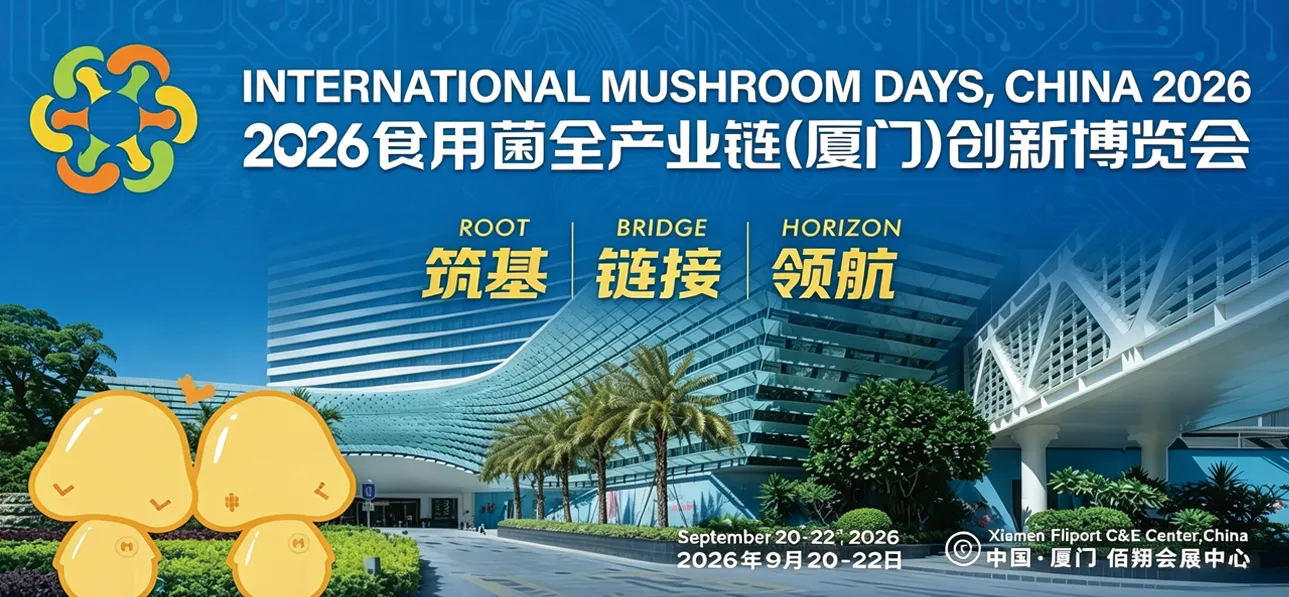
To help enterprises capture emerging market trends, the 2025 Edible Fungi Whole Industry Chain Innovation Expo will be held on April 14-16 at the Xiamen C&D International Conference & Exhibition Center. The event covers cultivation tech, machinery, processing, marketing, and trade.
Exhibitors include global spawn suppliers, equipment manufacturers, and processing firms. Highlights include commercial solutions for rare mushrooms like Matsutake and Morels, alongside expert forums and targeted B2B matchmaking sessions to connect suppliers directly with global buyers.
(2) Scope of Exhibits
The expo features a comprehensive range of exhibits: liquid spawn systems, smart cultivation equipment, sterilization machinery, freeze-drying lines, high-value mushroom extracts, functional health foods, e-commerce services, and export logistics solutions.
4. Future Trends: High Value-Added Products, Branding, and Globalization
(1) Growing Demand for High Value-Added Species
Demand for premium fungi like Truffles and Black Tiger Palm mushrooms is rising rapidly due to their distinctive flavors and health benefits. As cultivation breakthroughs continue, commercial scale production will unlock immense commercial value in luxury dining, supplements, and cosmetics.
(2) Intensifying Brand Competition
Market competition is pushing companies toward brand differentiation and multi-channel marketing. Building strong consumer trust through consistent product quality and strategic promotion across e-commerce and retail channels will be key to long-term success.
(3) Cross-Border E-Commerce Boosting Exports
Digital platforms and cross-border e-commerce empower mushroom enterprises to directly reach global consumers, lower distribution costs, and adapt agilely to international market demands, driving the global expansion of the mushroom industry.
创新博览会LOGO.png)
.webp)


创新博览会LOGO-white.png)