Driven by the global wave of healthy eating and sustainable development, the edible fungi industry has ushered in a golden period of development. Data shows that the market size will expand at an annual growth rate of 20% over the next five years, expecting to exceed 100 billion US dollars in 2025. This report provides an in-depth analysis of three growth engines, four technological breakthroughs, and five trade opportunities for decision-makers in the industrial chain.
I. Three Growth Engines
Health Consumption
As public awareness of health continues to increase, the demand for functional extracts has shown explosive growth, with an annual growth rate of up to 35%. For instance, polysaccharides, sterols, and other ingredients extracted from edible fungi are widely used in health products, medicine, and other fields. They are favored by consumers due to their multiple efficacy such as enhancing immunity and regulating blood lipids. The market penetration rate of ready-to-eat products has reached 28%, thanks to their convenience, satisfying people's needs in modern fast-paced life. The rise of the plant-based trend has brought new opportunities to the edible fungi industry. As a high-quality source of plant protein, it can effectively replace part of animal protein, meeting consumer demand for health and environmental protection, and further driving market demand growth.
Technological Innovation
In the edible fungi industry, industrialized cultivation accounts for over 60%. By simulating the natural environment, this model achieves precise control over conditions such as temperature, humidity, and light, greatly improving the stability of yield and quality. The application of smart equipment saves enterprises over 40% in labor costs. For example, automated seeding, irrigation, and harvesting equipment not only improve production efficiency but also reduce labor intensity and manual costs. The development of deep processing technology has increased the added value of products by 300%. By processing edible fungi into dried products, canned foods, extracts, and other forms, the industrial chain is extended, enhancing product market competitiveness and economic benefits.
Policy Support
China: In the "14th Five-Year Plan", support policies for the fungal seed industry were explicitly proposed, including financial support, technological R&D, and talent cultivation, providing a solid guarantee for industry development. EU: Updated organic certification standards to further regulate the production and sales of organic edible fungi, which not only helps improve product quality but also enhances consumer trust. RCEP: The implementation of the Regional Comprehensive Economic Partnership agreement reduced trade barriers, promoted the circulation and trade of edible fungi products within the region, and created favorable conditions for the international development of enterprises.
II. Four Technological Breakthroughs
Smart Cultivation
Through an advanced environmental control system, precise control with an accuracy of ±0.5% over the cultivation environment is realized. Parameters such as temperature, humidity, and carbon dioxide concentration can be accurately adjusted, providing optimal conditions for the growth of edible fungi. The introduction of harvesting robot technology has increased harvesting efficiency by 50% while reducing manual labor intensity and time costs. The IoT monitoring platform enables real-time monitoring and data analysis of the cultivation process. Cultivators can view environmental data and growth status anytime and anywhere via mobile phones or computers, enabling timely management adjustments and improving scientific and precise cultivation.
Deep Processing
Low-Temperature Active Extraction Technology: It can extract active ingredients from edible fungi at lower temperatures, preserving their biological activity to the maximum extent and improving product efficacy and quality. Microencapsulation Technology: Encapsulating extracts in tiny capsules achieves freshness retention and sustained release effects, extending product shelf life and facilitating processing and usage. 3D Printed Protein Products: By mixing edible fungi protein with other ingredients, 3D printing technology is used to create foods of various shapes and textures, satisfying consumer demand for personalized and nutritious foods.
Strain Improvement
Through modern biotechnology, the breeding cycle has been shortened by 60%, significantly accelerating the cultivation speed of superior strains. The cultivation of disease-resistant varieties has reduced pesticide use by 70%, lowering pesticide residues and improving product safety while meeting green and eco-friendly development requirements. Superior strains not only increase yield and quality, but also enhance the stress resistance of edible fungi, reducing losses caused by natural disasters like pests and diseases, providing strong support for sustainable industrial development.
Green Packaging
Mycelium Biodegradable Materials: A new type of eco-friendly packaging material with good biodegradability and renewability, which can effectively reduce white pollution. Smart Freshness Labels: Automatically display the product's freshness status according to environmental conditions inside the packaging, reminding consumers to consume in time, enhancing freshness preservation and consumer satisfaction. Digital Cold Chain Technology: Realizes full monitoring and management of cold chain logistics, ensuring that the quality of edible fungi products is not affected during transportation and storage, enhancing product market competitiveness.
III. Five Trade Opportunities
Regional Markets
Southeast Asia: Demand for ready-to-eat products shows a rapid growth trend with an annual growth rate of up to 80%, offering a vast market space for the export of ready-to-eat edible fungi products.
North America: Import demand for functional extracts continues to rise, reaching an annual growth rate of 45%. The strong demand for high-quality, high-value-added extracts presents great export opportunities for related enterprises.
European Market: High recognition of organic products allows organic edible fungi to be sold at prices over 120% higher than conventional products, offering high profit margins. Enterprises can expand into the European market and boost product added value by obtaining EU organic certification.
New Infrastructure
Xiamen: As an important edible fungi industry base, Xiamen has established dedicated cold chain warehouses, providing solid guarantees for storage and transportation.
China-Europe Mushroom Express: Further strengthened edible fungi trade between China and Europe, reduced transportation costs, and improved transit efficiency.
Cross-border E-commerce Platforms: Provide broader sales channels, enabling enterprises to sell products directly to global markets, breaking traditional spatiotemporal trade limits and expanding market share.
Certification System
200 newly added GAP (Good Agricultural Practices) certified enterprises help raise overall quality management standards across the industry and boost consumer confidence. Halal certification enjoys high recognition in the Middle East; obtaining it allows enterprises to open up the Middle Eastern market and meet local halal food demands. With new US FDA rules coming into force, companies must proactively comply to ensure products meet relevant standards for smooth entry into the US market and international expansion.
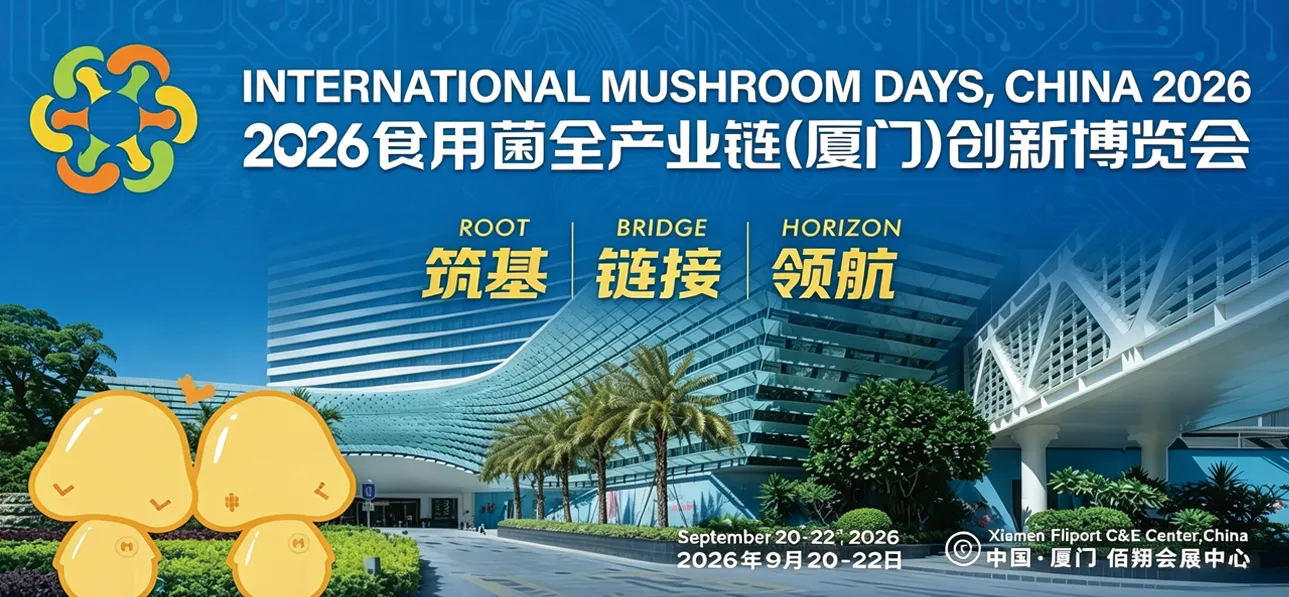
IV. 2025 Edible Fungi Expo
Expo Highlights
Global Debuts: Over 50 innovative technologies spanning cultivation, processing, packaging, and more, offering participants a prime opportunity to understand industry-leading innovations.
Quality Suppliers: Over 300 premium suppliers gather to showcase the latest products and technologies, offering buyers a rich selection.
Authoritative Releases: The UN FAO will release a white paper providing in-depth analysis of global edible fungi development status and trends to guide corporate strategy formulation.
Trade Matching: The expo will organize matchmaking between over 1,000 international buyers and exhibitors to promote trade cooperation and industry growth.
Exhibition Zones
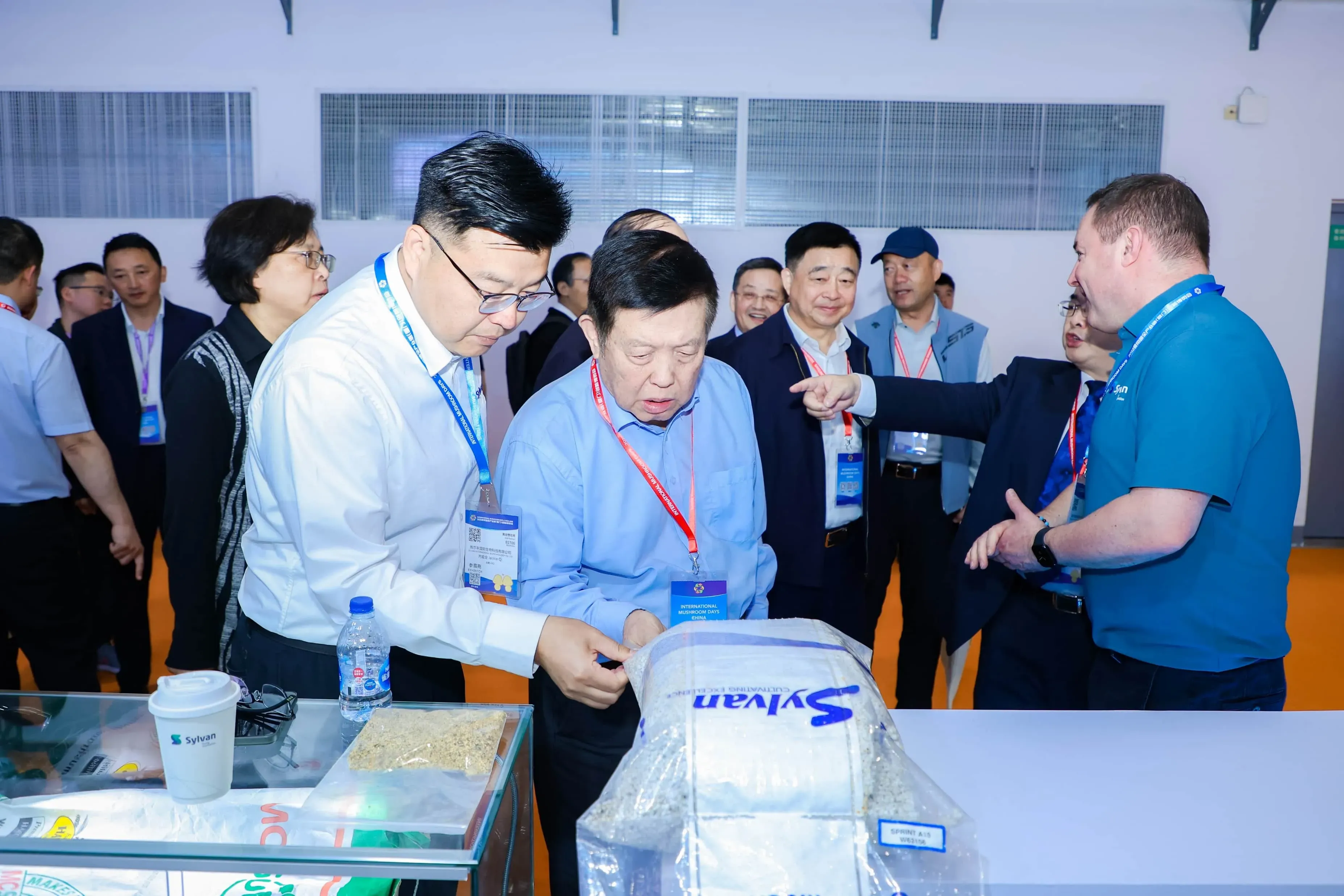
Smart Cultivation Zone: Showcases advanced equipment and technology such as smart greenhouses, automated irrigation systems, and environmental monitoring devices, demonstrating efficiency and quality improvements.
Deep Processing Tech Zone: Focuses on processing techniques and products such as extracts, health products, and snack foods, showing how deep processing elevates added value.
International Trade Zone: Provides face-to-face interaction opportunities between companies and international buyers to foster trade cooperation and global market expansion.
Brand Marketing Zone: Displays brand images and marketing strategies to help enterprises raise brand awareness and market influence.
Participation Benefits
Access Import Policies: Understand entry requirements and trade policies of 20 countries for edible fungi products to inform export strategies.
Build Buyer Connections: Connect with top buyers to secure major orders and increase market share and revenue.
Patent Technology Transfer: Opportunities to convert corporate technological innovations into economic returns.
Participate in Standard Setting: Enhance industry influence and voice while promoting standardized industry development.
V. Corporate Strategic Recommendations
Technology
Smart Transformation: Introduce advanced cultivation equipment and technology to improve production efficiency and product quality.
Industry-Academia Collaboration: Establish collaboration platforms with universities and research institutes to jointly conduct R&D and boost core competitiveness.
Apply for Special Subsidies: Utilize government policy support to reduce R&D and upgrading costs, accelerating corporate development.
Market
Focus on RCEP Members: Make full use of trade facilitation policies brought by RCEP to expand international markets.
Layout Cross-border E-commerce: Establish self-operated platforms or partner with well-known cross-border e-commerce platforms to push products globally.
Obtain International Certifications: Acquire EU Organic, US FDA, and other certifications to raise international recognition and market competitiveness.
Talent
Cultivate Interdisciplinary Tech Teams: Build teams covering cultivation, processing, marketing, and management to meet diversified growth demands.
Introduce International Marketing Experts: Learn from advanced global marketing concepts and experience to strengthen international marketing capabilities.
Partner with Think Tanks: Leverage professional research and analytical capabilities of think tanks to provide intellectual support for strategic planning.
创新博览会LOGO.png)
.webp)

创新博览会LOGO-white.png)