Where Is China’s Xianggu Industry Heading Amidst Profound Global Shifts?
——Written Ahead of the Suizhou Xianggu Industry Conference
My judgment is this: Suizhou has the foundation to become a vital highland for China’s Xianggu industry, and serves as a crucial window through which to observe the entire sector. Examining Suizhou’s next step is, in essence, thinking through the next step for Chinese Xianggu.
Over the past few days, I have been reflecting deeply: amidst unprecedented global shifts, where is Suizhou Xianggu heading? And where are China’s and the world’s Xianggu industries going?
With three weeks left until the Suizhou Xianggu Conference, we keep asking ourselves: What can this gathering truly bring to everyone? Can it enable peers traveling from afar to discover previously overlooked value, and take home insights genuinely useful for their development over the next three to five years?
I. What Makes Suizhou Xianggu Exceptional?
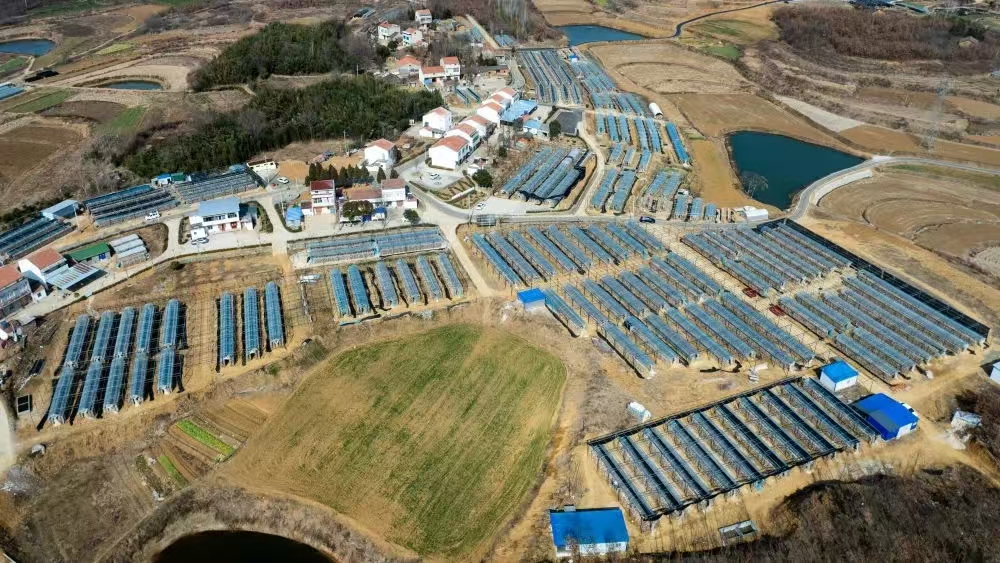
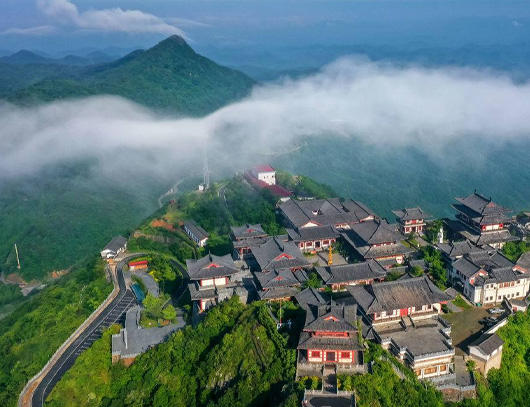
Over the years, I have visited numerous Xianggu-producing regions. In my view, Suizhou and its neighboring cities of Xiangyang and Shiyan, together with Biyang and Xixia in Henan Province, form China’s golden core Xianggu production belt.
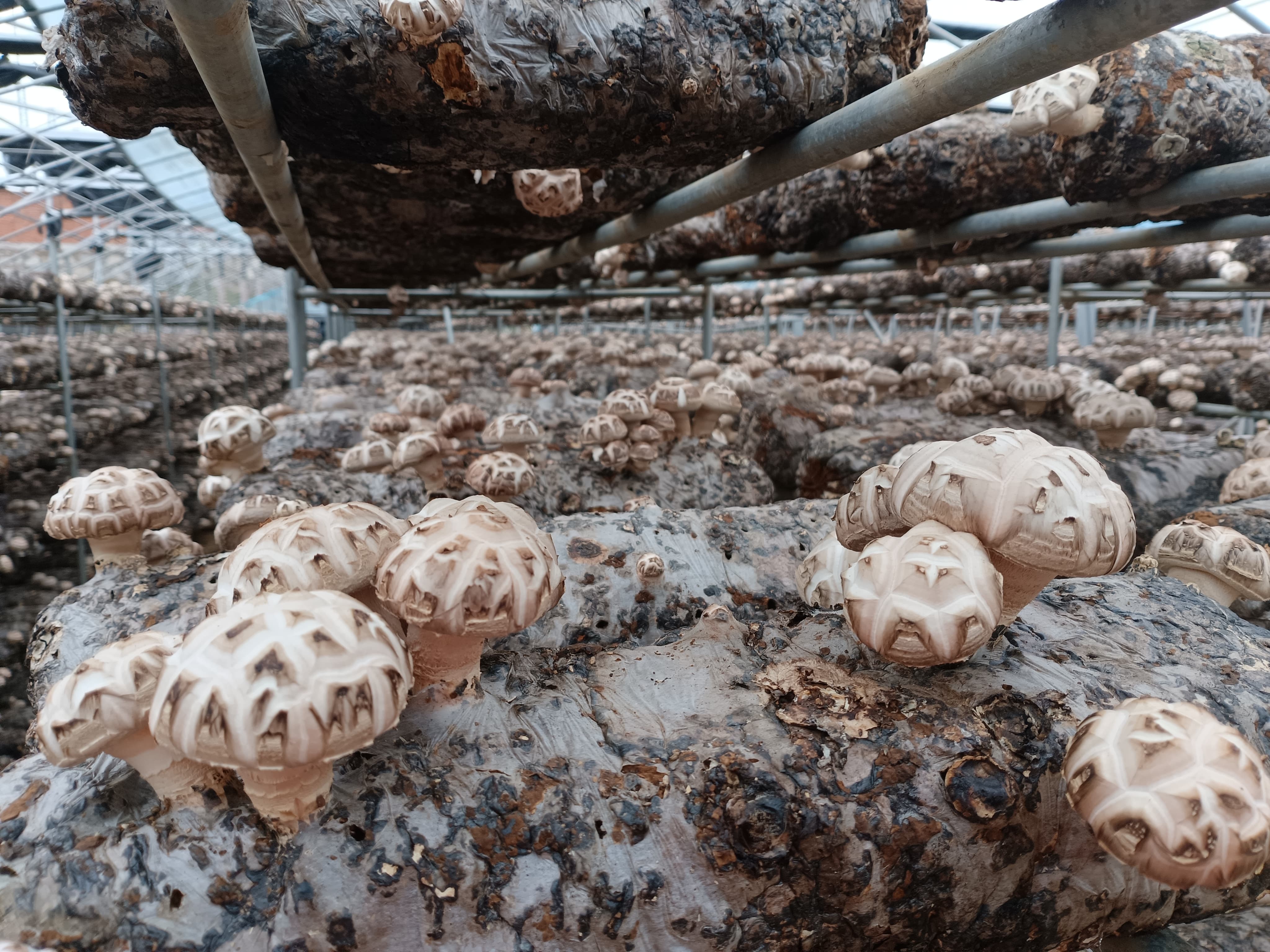
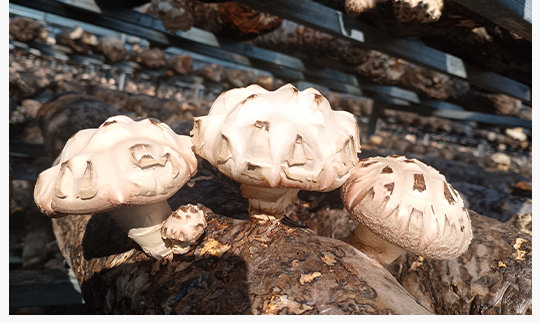
The superior Xianggu produced here is the result of long-term accumulation across multiple conditions. Suitable strains, hardwood substrates such as Qinggang oak, local climate and seasonal temperature variations, large-log cultivation models, decades of grower expertise, and continuous improvements in machinery and drying technologies—all interlock to shape today’s quality.
Behind every premium Xianggu mushroom lies an entire production system.
Simply relocating equipment and greenhouse structures to another region does not guarantee the same quality of Xianggu. Which advantages stem from nature, which from technology, and which from human experience? What can be replicated, and what must be adapted to local conditions? Only by clarifying these questions can we truly understand the “Suizhou Model.” Clarifying applicable conditions before discussing promotion is the only responsible approach toward growers.
II. Moving from Regional Advantage to Industrial Advantage
The attention and understanding shown by Suizhou’s municipal leadership toward the Xianggu industry left a deep impression on me. While caring about current production and sales, they are also thinking deeply about branding, supply chains, culture, and the development direction for the next three to five years.
What is worth learning here is how they connect immediate production with long-term development, weighing industrial competitiveness alongside the earnings of enterprises and mushroom growers.
I have always believed that at the end of the day, building an industry comes down to competing on brand, supply chain, and culture. All three must be firmly rooted in production and business operations:
- Brand: Must be recognizable and trustworthy to consumers, inspiring repeat purchases;
- Supply Chain: Must connect strains, raw materials, cultivation, processing, and sales, ensuring consistent quality, reliable delivery, and reasonable returns at every link;
- Culture: Must help people understand the connection between a Xianggu mushroom, this land, and its people.
Being able to grow fine Xianggu is only the start; winning market recognition and enabling enterprises and growers to thrive over the long term is what truly transforms a regional advantage into an industrial advantage.
III. Key Priorities for the Next Three to Five Years
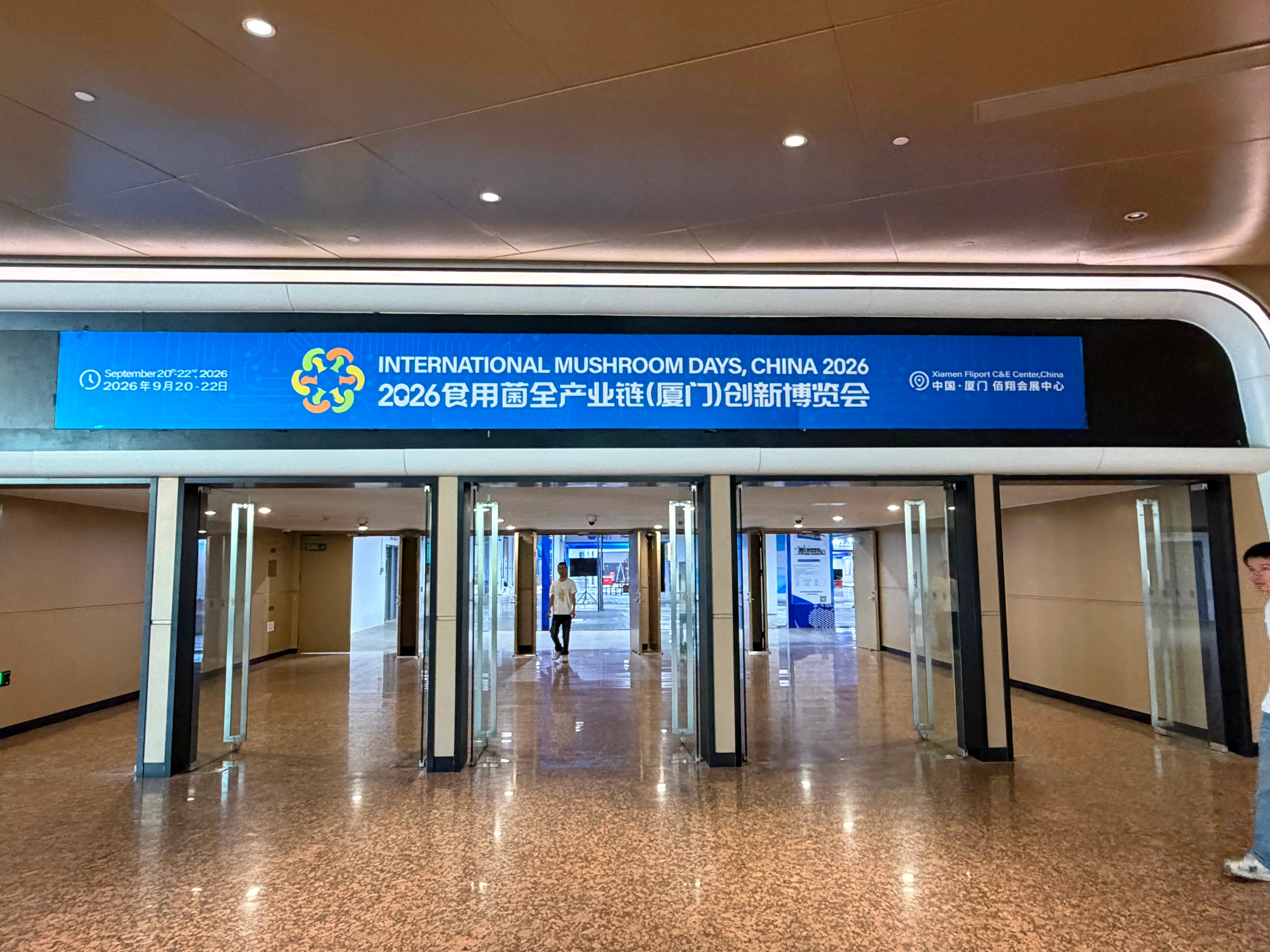
This conference carries the theme “Technology, Quality and a Connected Global Industry.” How technology solves practical problems, how quality wins the market, and how the industry connects with the world are the topics we hope to explore thoroughly.
Guided by the “All-Encompassing Food Approach,” plant, animal, and fungal resources must be viewed within the broader food supply landscape to consider sources of calories, protein, and diversified nutrition. The Xianggu industry must find its rightful place in this landscape, leveraging its strengths in flavor, nutrition, and food processing to better serve people’s daily needs.
How should research integrate with industry? Enterprises and growers raise practical challenges, researchers participate in solving them, and all parties collaborate on trials, verification, and refinement. Whether an achievement succeeds must be tested in actual production—measured by quality, cost, market acceptance, and financial return. Looking ahead to the next three to five years, I believe six priorities warrant focused research:
First, Strains
Bridge breeding with practical application, testing performance under real cultivation conditions to identify superior strains suited to different production areas, applications, and market demands.
Second, Raw & Auxiliary Materials
Study the relationship between hardwoods like Qinggang oak and mushroom quality, perfecting material selection, processing, quality control, and stable supply. Practical experience must be valued, and the underlying principles clearly understood.
Third, Machinery & Equipment
Synthesize years of local equipment refinements to adapt machinery to real production conditions—improving cultivation, harvesting, and drying processes to reduce labor intensity and boost efficiency.
Fourth, Transforming Export Models
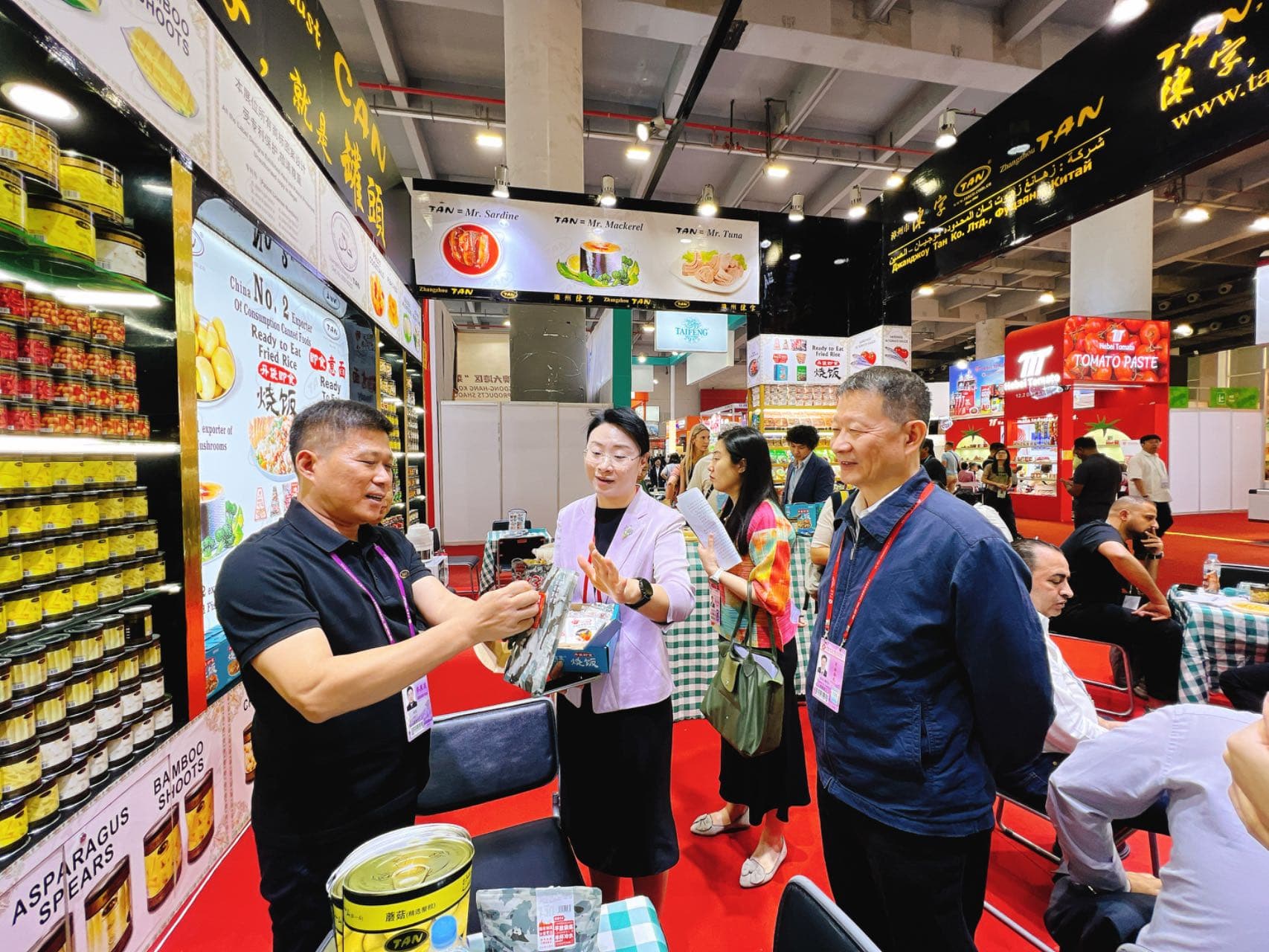
Building upon exports of dried Xianggu, canned goods, and processed foods, explore exporting an integrated package of strains, technology, equipment, talent training, business management, and cultural exchange. Respect overseas markets and local conditions so proven practices become mutually beneficial, long-term collaborations.
Fifth, Culture
Connect authentic stories of Xianggu production and daily life with Emperor Yan (Shennong) heritage and Mount Dahong culture. Document growers’ lives, cultivation wisdom, and forest ecology so visitors have compelling stories to hear, production bases to tour, and culinary traditions to experience.
Sixth, Embracing the Broader Food Industry
Step into foodservice, food manufacturing, and broader consumption scenarios, collaborating with partners on flavor, nutrition, and convenience. Deep processing must start from market demand to create products consumers want to buy and businesses can sustainably produce.
IV. What Can This Gathering Bring?
We do not expect a single conference to answer every question. Yet I hope local governments gain clearer priorities, enterprises identify promising directions and partners, growers discover concrete ways to improve production, and domestic and international peers deepen their understanding of Chinese Xianggu—leaving with fresh perspectives and actionable ideas.
Only by thoroughly examining Suizhou’s experience and openly laying out shared challenges can we provide a meaningful reference for China’s Xianggu sector and find entry points for global industry cooperation.
📅 2026 Suizhou Xianggu Conference Event Guide
- Theme: Technology, Quality and a Connected Global Industry
- Registration: December 8, 2026
- Conference Dates: December 9–10, 2026
- Location: Suizhou, Hubei, China
We welcome everyone to Suizhou, Hubei—bring your questions and experience, and let us explore and find answers together.
Let us gather in Suizhou, build upon decades of accumulation, and chart the future together. Let China’s Xianggu industry set out anew from here—advancing toward a new stage of high-quality, sustainable development through technological leadership, quality elevation, and full-chain synergy to create new industrial brilliance.
Delivering great products to consumers, ensuring reasonable profits for enterprises, and steadily increasing growers’ incomes——this is our shared aspiration, and the true meaning of setting out anew.
Suizhou Xianggu, Sharing Its Aroma with the World!
Liu Ziqiang
November 16, 2026