February 26, 2026
The 2026 F&B market presents a vivid dual paradox: consumers crave "sensory escapes" through diverse regional flavors while demanding higher levels of local nostalgia, value transparency, and health attributes. For operators and chefs, the core challenge is clear: how to balance culinary innovation with operational efficiency amidst rising ingredient costs and labor pressures.
Mushrooms are the optimal solution. Analyzing reports from Datassential and the National Restaurant Association, experts find that mushrooms—with their natural health benefits, culinary versatility, and cost controllability—have moved from garnishes to the cornerstone of 2026 menu innovation. Four major trends are emerging.
1. Prebiotic Fiber Empowerment: Functional Cooking Enters the "Clean" Phase
According to Datassential, "dietary fiber upgrades" will drive health consumption in 2026. While the industry has long focused on protein, 52% of domestic consumers now prioritize gut health. As a natural source of prebiotic fiber, mushrooms like Shiitake and Oyster mushrooms offer a "clean label" solution. They provide functional value to salads and mains without additives, echoing the "clean recipe" trend predicted for 2026.
For chefs, mushrooms offer a "health solution" rather than just an ingredient, satisfying wellness demands without overhauling kitchen workflows. It is the preferred low-cost health innovation for 2026.
Culinary Guide: Adding sliced or diced mushrooms to salads or grain bowls increases functional density. Using high-fiber varieties like Shiitake or Enoki maximizes health value for light and low-fat dining scenarios without increasing prep time.
2. Protein Structure Optimization: "Mushroom-Meat Blends" as a Cost Strategy
In 2026, demand for animal protein is rebounding, breaking the "plant-only" trend. Consumers are shifting away from synthetic "lab meat" toward authentic, natural ingredients. Experts suggest that "mushroom-meat blends" will be the winning kitchen strategy. Mixing chopped mushrooms with beef or pork reduces costs while enhancing umami. Furthermore, mushrooms' water-retention properties solve the dry-out issue in burgers and meatballs during delivery—a vital benefit for the 28% of operators focusing on delivery services.
Culinary Guide: A blend of "30% mushrooms + 70% meat" is ideal. Roast mushrooms first to evaporate moisture and concentrate umami before blending to ensure patty integrity and a juicy mouthfeel during high-heat searing.
3. Sensory Extremism: Texture Layering as a Core Innovation
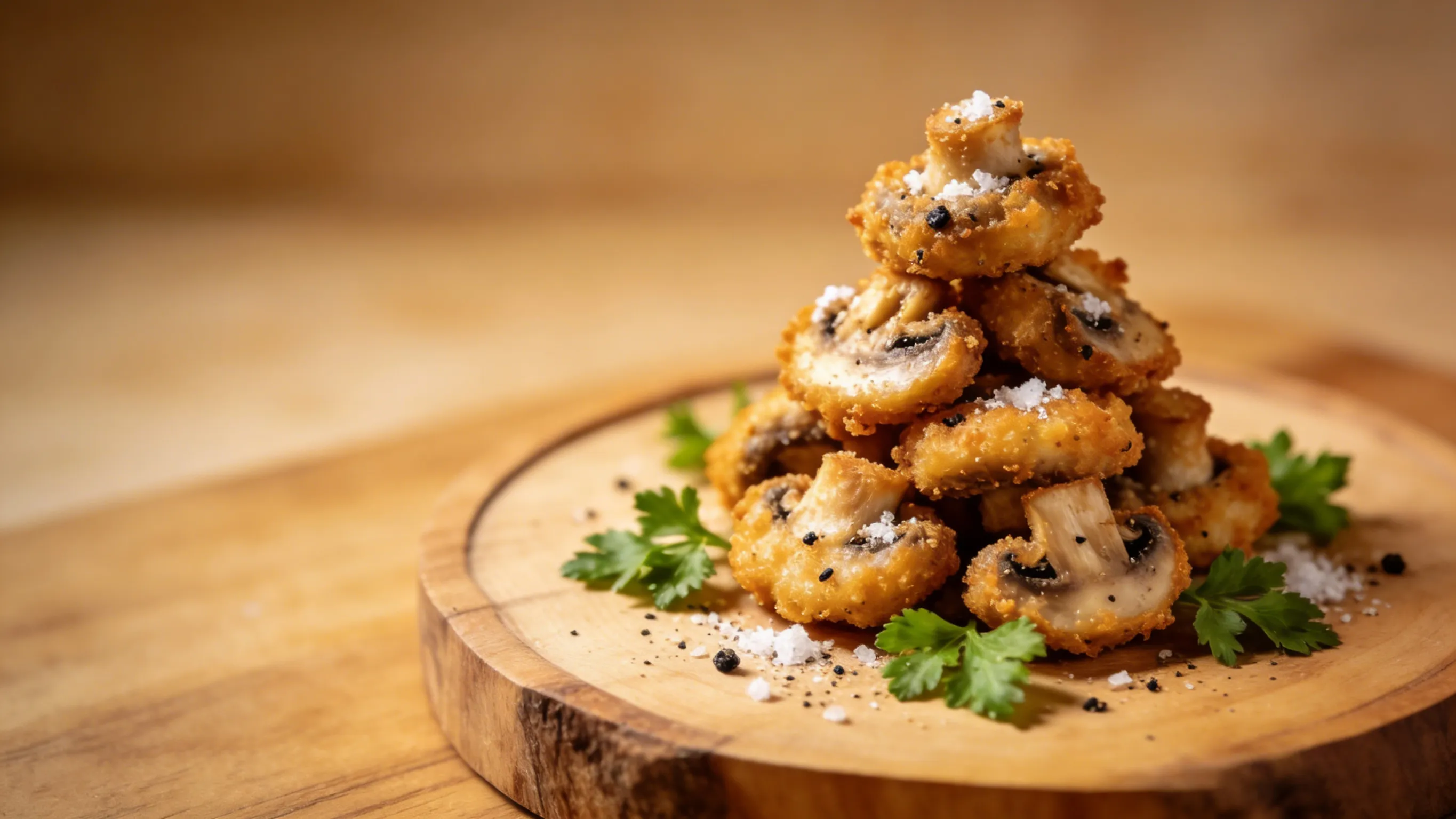
2026 marks the era of "sensory extremism," where texture is a key metric. Mushrooms, with their diverse forms, are ideal for innovation. Chefs are exploring three directions: 1. Crispy textures (smashed and seared Oyster/Maitake mushrooms for a caramelized crust); 2. Meaty textures (thick-cut King Oyster mushrooms simulating scallops or steaks); and 3. Layered textures (using Lion’s Mane to carry complex spices like Caribbean curry).
Additionally, mushrooms' flavor-absorption qualities cater to the "flavor escapism" trend, allowing consumers to experience global flavors without high protein costs.
Culinary Guide: Use heavy cast-iron presses to "smash" Maitake mushrooms on a flat-top grill. Maillard reactions create a crispy exterior while keeping the inside tender, producing high-quality plant-forward mains with existing equipment.
4. Customization Empowerment: Low-Cost, High-Profit Menu Optimization
"Customization" is the core competitiveness for 2026, but it must be manageable. Mushrooms are high-margin, low-waste ingredients ideal for this. Association data shows mushrooms provide a 78% "value perception" to consumers; 86% are willing to pay a premium for health-centric mushrooms, and 73% prefer dishes with sustainable attributes. Chefs can offer variety with minimal prep changes, satisfying individual needs efficiently.
Culinary Guide: Offer a "Triple Umami Upgrade" as a high-margin upsell for pizzas or Buddha bowls, using white, cremini, and shiitake mushrooms prepared during morning prep. This allows for balanced efficiency and customization during peak hours.
Conclusion
The 2026 F&B theme is balancing innovation with operational standards. As demands for texture and health rise alongside cost pressures, mushrooms emerge as the key ingredient due to their umami, versatility, and cost efficiency. By embracing prebiotic empowerment, blending, sensory extremism, and customization, operators can meet consumer needs while driving profit growth.
2026 Mushroom Culinary Trends
What are the core trends for 2026?
The four core directions are Prebiotic Fiber (Clean), Mushroom-Meat Blends (Cost), Sensory Extremism (Texture), and Customization (Profit), all centered on health and efficiency.
Where are mushrooms best used as a prebiotic source?
In salads, grain mains, and soups, especially for light and wellness-themed dining. Varieties like Shiitake and Enoki add functional value without changing workflows.
What is the best mushroom-meat blend ratio?
30% mushroom to 70% meat. Ensure mushrooms are roasted/dehydrated first to concentrate flavor and prevent the mixture from becoming too loose.
How to innovate with texture?
Smash and sear Oyster mushrooms for crispiness; thick-cut King Oyster for a meaty "steak" feel; or use Lion's Mane to carry complex international spices.
How do mushrooms help customization without hurting efficiency?
Mushrooms are easy to prep. A pre-made blend can be added as a premium upsell during peak hours, offering custom cooking styles without adding prep steps.
What do consumers want most in 2026?
Health (86% pay premium), value (78% perceive higher value), and sustainability (73% prefer mushroom-inclusive sustainable dishes).
What mistakes should chefs avoid?
Avoid over-seasoning that masks natural umami, forgetting to dehydrate mushrooms before blending with meat, and using the wrong variety for the wrong dish.
创新博览会LOGO.png)

.webp)



创新博览会LOGO-white.png)