Industry News
The mushroom industry has undergone remarkable growth, evolving into a dynamic sector with significant contributions to global agriculture and commerce. As consumer interest in health-focused, sustainable food sources increases, mushrooms are finding their way onto more plates and into more products than ever before. This article explores the mushroom value chain in depth, tracing the journey from cultivation to market and highlighting key players, processes, and innovations along the way.
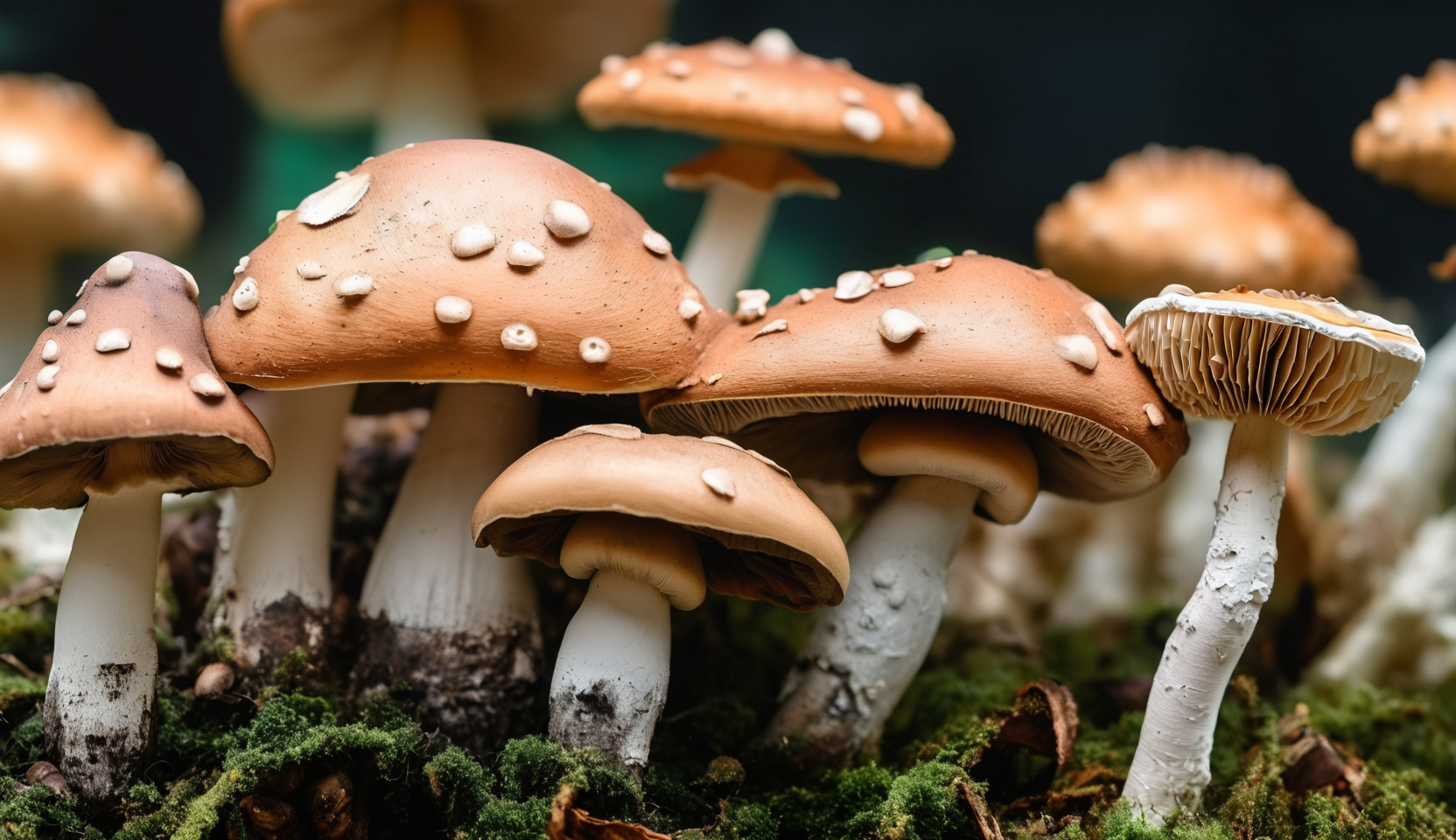
Cultivation: The Foundation of the Mushroom IndustryEnvironmental Control
Key Factors: Temperature, humidity, and light.
Substrates: Straw, wood chips, or compost.
Techniques: Vertical farming to optimize space and yield.
Seed/Spawn Production
Importance: High-quality spawn ensures strong growth and disease resistance.
Development: Advanced mycology techniques and tailored strains for specific climates and consumer preferences.
Sustainability
Eco-Friendly: Use of agricultural waste as substrate, low water and energy requirements.
Innovations: Automated climate control systems, biodegradable substrate bags.
Processing: Adding Value to the HarvestFresh Mushrooms
Preparation: Sorting, grading, and packaging.
Packaging: Minimal packaging solutions to appeal to environmentally conscious buyers.
Value-Added Products
Types: Dried mushrooms, powders, extracts.
Techniques: Freeze-drying, vacuum sealing to preserve flavor and nutritional content.
Applications: Culinary and pharmaceutical uses.
Distribution: From Farms to Markets WorldwideLogistics
Cold Chain: Essential for maintaining quality of fresh mushrooms.
Regulations: Adherence to phytosanitary regulations for export markets.
Digital Platforms
E-commerce: Connecting producers directly with consumers and retailers.
Specialty Markets: High demand for specialty and organic mushrooms.
Market Trends: Driving Demand and InnovationConsumer Preferences
Plant-Based Diets: Mushrooms as a source of protein, vitamins, and bioactive compounds.
Functional Foods: Varieties like lion’s mane, reishi, and shiitake for health benefits.
Culinary and Industrial Uses
Food Service: Incorporation into gourmet dishes and meat substitutes.
Innovations: Mycelium leather and biodegradable packaging.
Challenges and Opportunities in the IndustryChallenges
Environmental Factors: Pests, diseases, and fluctuating weather conditions.
Market Saturation: Strategic planning and innovation required.
Perishability: Cold chain logistics and packaging solutions.
Opportunities
Biotechnology: Genetically enhanced strains and mycelium cultivation techniques.
Marketing and Education: Elevating mushrooms as a staple in the future food economy.
Main Consumer Markets for MushroomsAsia
China: Major consumer with a huge market size (202.055 billion yuan in 2023). Widely used in Chinese cuisine, with increasing demand due to health awareness.
Japan: High demand for high-quality and special mushrooms, mature and stable consumer market.
South Korea: Rising consumption due to healthy eating trends.
Europe
UK: Major consumer with stable demand (3-4 kg per person per year).
Germany: High consumption, major importer of Dutch mushrooms.
France: High-quality and diverse mushrooms for classic French dishes.
Americas
United States: Large consumer market with high acceptance of various mushroom varieties.
Canada: Similar to the US, with growing demand due to multicultural influences.
Employment in the Mushroom IndustryCultivation
Global Estimate: Over 5 million people engaged in mushroom cultivation.
China: Millions of farmers, with large production in Henan, Yunnan, Hebei, and Fujian provinces.
Other Regions: Professional farms in Europe, the US, and Japan.
Distribution
Global Estimate: Approximately 2 million people involved in mushroom distribution.
Channels: Agricultural wholesale markets, supermarkets, e-commerce platforms.
Processing
Global Estimate: Over 1 million people engaged in mushroom processing.
Countries: China, the US, and Japan with numerous processing companies.
The mushroom industry is a vibrant and evolving sector, offering immense opportunities for growth and innovation. From sustainable cultivation practices to diverse market applications, every stage of the value chain reflects the adaptability and potential of this fascinating food source. By understanding and leveraging the full scope of the mushroom value chain, stakeholders can unlock new possibilities and drive the industry toward a thriving future.
创新博览会LOGO.png)


.webp)



创新博览会LOGO-white.png)