Urban agriculture has emerged as a revolutionary solution to address the challenges brought about by rapid urbanization and the growing demand for fresh, local food. Among various forms of urban farming, mushroom cultivation has received significant attention for its ability to achieve high yields in small spaces. Unlike traditional crops that require large tracts of land, mushrooms can thrive in compact and controllable environments, making them an ideal choice for city dwellers who want to grow their own food. This article delves into the potential of mushroom farming in urban settings, highlighting its advantages, challenges, and innovative techniques for growing mushrooms in limited spaces.
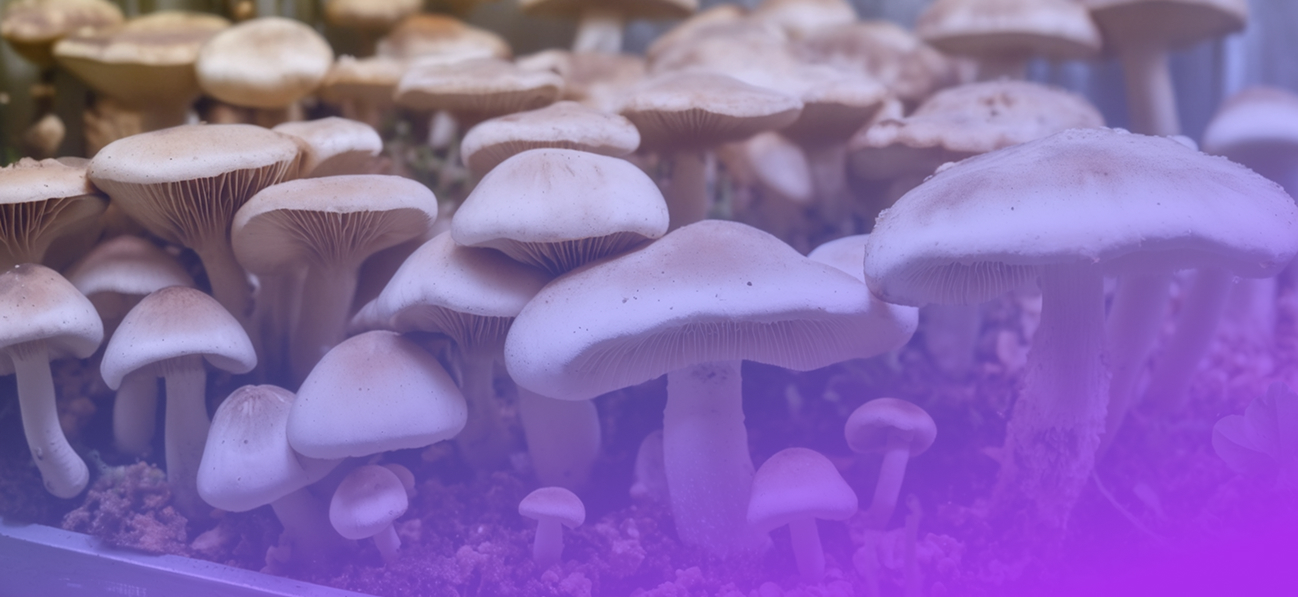
Why Mushrooms Are Ideal for Urban Agriculture
High Space Efficiency: Mushrooms are extremely efficient in space utilization. Unlike traditional crops that need vast fields to grow, mushrooms can be cultivated in small spaces such as basements, rooftops, or even unused storage rooms. Vertical farming techniques, where mushrooms are grown on stacked shelves or trays, enable efficient use of space and high - density production. This makes mushroom farming an ideal solution for urban residents with limited outdoor space who still want to engage in food production.
Short Growth Cycle: Compared with many other crops, mushrooms have a remarkably short growth cycle. While most vegetables or fruits may take weeks or months to mature, mushrooms can be harvested within weeks after inoculation. For example, oyster mushrooms can be ready for harvest in just 3 to 6 weeks. This short turnaround allows urban farmers to achieve multiple harvests per year, maximizing productivity and creating a sustainable food source.
Low Resource Requirements: Mushrooms require minimal resources to grow, making them an environmentally friendly option in urban agriculture. They can grow well on agricultural waste materials such as straw, sawdust, or coffee grounds, which are often abundant in urban areas. By repurposing waste products, urban mushroom farmers can not only reduce waste but also grow food in a sustainable manner. Additionally, mushrooms do not need direct sunlight as they grow in dark and humid conditions, which is another factor that makes them suitable for indoor cultivation in cities.
The Process of Urban Mushroom Cultivation
Mushroom cultivation involves several key steps, all of which can be carried out in urban settings with limited space:
Choosing the Right Mushroom Species: The first step in urban mushroom cultivation is to select the appropriate species. Some of the most popular mushroom varieties for urban farming include oyster mushrooms, shiitake mushrooms, and lion's mane. Oyster mushrooms are particularly suitable for beginners as they grow quickly and are less sensitive to environmental conditions. Shiitake mushrooms require a bit more care but are known for their rich flavor and culinary uses. Lion's mane, on the other hand, is gaining popularity for its medicinal properties, especially for brain health.
Substrate Preparation: Mushrooms grow on a substrate, which is typically made from organic materials like straw, sawdust, or wood chips. The substrate provides the nutrients needed for the mushrooms to develop. In urban settings, many mushroom farmers use recycled agricultural waste or other sustainable materials, making the process cost - effective and eco - friendly. The substrate is sterilized to eliminate any unwanted microorganisms and then inoculated with mushroom spores or mycelium.
Environmental Control: Although mushrooms do not need sunlight to grow, they do require specific conditions of temperature, humidity, and airflow. In urban environments, this is usually achieved by using controlled indoor spaces such as basements, garages, or greenhouses. Many urban mushroom farms use simple systems like humidity controllers, temperature monitors, and fans to maintain the optimal environment for growth. In some cases, vertical farming systems and automated systems are employed to further optimize space utilization and environmental control.
Harvesting and Processing: Mushrooms are usually harvested once they have reached full maturity, which varies depending on the species. The harvesting process is typically done by hand, with mushrooms being carefully plucked from their substrate. In urban farming setups, mushrooms can be sold fresh or processed into value - added products such as dried mushrooms, mushroom powders, or even mushroom - based gourmet products. Processing allows farmers to increase the shelf life of their products and reach a broader market.
Benefits of Urban Mushroom Farming
Local Food Production: Urban mushroom farming contributes to local food production, reducing the reliance on long - distance transportation and decreasing the carbon footprint associated with food distribution. By growing mushrooms locally, urban farms can provide fresh and nutritious food to city residents, enhancing food security in urban areas.
Sustainability: Mushroom cultivation is a highly sustainable form of urban agriculture. It uses minimal resources, relies on waste products for substrate, and can be done indoors with little environmental impact. Moreover, mushrooms contribute to reducing food waste by utilizing organic waste materials as growing substrates. This closed - loop system makes urban mushroom farming an attractive option for those looking to create more sustainable food systems in cities.
Economic Opportunity: Urban mushroom farming offers a unique opportunity for city residents to participate in food production and entrepreneurship. By starting small - scale mushroom farms, individuals or communities can generate income while promoting local, sustainable food. The relatively low startup costs and quick turnaround time also make mushroom farming a viable option for small businesses or urban entrepreneurs looking to enter the food industry.
Challenges in Urban Mushroom Farming
Despite its many advantages, urban mushroom farming also faces some challenges. One of the main challenges is ensuring the right environmental conditions, especially humidity and temperature. Without proper control systems, mushrooms may not grow optimally or may be contaminated. Additionally, urban mushroom farming usually requires a certain level of technical knowledge and expertise to manage the cultivation process effectively.
Another challenge is market competition. Although the demand for local, fresh food is growing, the mushroom market can be highly competitive, especially in cities where other urban farmers are also cultivating mushrooms. To stand out, urban mushroom growers need to differentiate their products through quality, variety, and unique offerings such as organic or medicinal mushrooms.
Conclusion
Mushroom farming in urban agriculture provides an exciting and sustainable solution for cities facing food security, environmental, and space constraints. With the right techniques, mushrooms can be grown in small spaces with minimal resources, providing fresh and nutritious food to urban populations. By innovating in cultivation practices and logistics, urban mushroom growers can not only contribute to local food production but also create a more sustainable and resilient urban food system for the future.
What Are the Main Challenges in Mushroom Cultivation in Urban Agriculture?
Mushroom cultivation in urban agriculture faces challenges in environmental control, technical requirements, market competition, and more. The details are as follows:
Difficulties in Environmental Control
Temperature and Humidity Control: Mushroom growth has strict requirements for temperature and humidity. Excessive or too - low temperature, as well as excessive or too - low humidity, can affect the growth and development of mushrooms, leading to slow growth, reduced quality, and even the infection of diseases and pests. For example, during high - temperature summers, if there are no effective cooling measures, the indoor cultivation environment may exceed the suitable temperature range for mushrooms.
Air Quality Control: Mushrooms need fresh air to grow, but in relatively enclosed urban cultivation spaces such as basements or warehouses, ventilation may be difficult. Excessively high carbon dioxide concentration can inhibit mushroom growth, while excessive ventilation may cause fluctuations in temperature and humidity, affecting the stability of the mushroom growth environment.
High Technical Requirements
Professional Knowledge Reserve: Mushroom cultivation involves multidisciplinary knowledge such as biology and microbiology. Growers need to understand the growth habits, nutritional needs, and pest control of mushrooms. For example, different types of mushrooms have different requirements for nutritional components, and the culture medium needs to be accurately prepared.
Mastery of Operational Skills: Every link from strain production, inoculation, spawn running to fruiting management requires skilled operational skills. If the aseptic operation is not standardized during the inoculation process, it is easy to cause contamination by miscellaneous bacteria, resulting in the failure of the entire cultivation batch.
Fierce Market Competition
Product Homogenization: With the development of urban agriculture, more and more people are engaged in mushroom cultivation. There are a wide variety of mushroom products in the market, and homogenization is likely to occur. Ordinary mushroom varieties face fierce competition in terms of price and quality. Growers need to continuously improve product quality and characteristics to gain a foothold in the market.
Limited Marketing Channels: Urban mushroom growers usually operate on a small scale and may face difficulties in expanding marketing channels. Compared with large - scale agricultural enterprises, they lack resources and advantages in brand building, market promotion, and sales network layout, and it is difficult to quickly and widely promote products to the market.
Land and Space Limitations
High Space Cost: In cities, land resources are scarce and rents are expensive. The space used for mushroom cultivation is often limited and costly, which restricts the expansion of the cultivation scale, increases production costs, and reduces profit margins.
Restricted Space Layout: Urban mushroom cultivation is usually carried out indoors or in limited outdoor spaces. The space layout may not be reasonable, which is not conducive to large - scale and standardized cultivation operations and equipment placement, affecting cultivation efficiency and management convenience.
Unstable Raw Material Supply
Dispersed Sources: The raw materials for mushroom cultivation, such as straw, wood chips, and cottonseed hulls, usually come from agricultural waste, but the collection and supply of these waste materials are somewhat uncertain. The dispersed sources make it difficult to ensure the stable quality and quantity of raw materials, which may affect the smooth implementation of the cultivation plan.
Seasonal Fluctuations: The generation of agricultural waste is seasonal. There may be an abundant supply in some seasons, while shortages in others. This requires growers to reserve raw materials in advance, but during the reserve process, problems such as storage space, cost, and raw material deterioration may arise.
Policies, Regulations, and Supervision
Incomplete Relevant Regulations: The development of urban agriculture is relatively fast, but the relevant policies, regulations, and supervision systems may be relatively lagging. The regulations on site planning, environmental protection requirements, and quality standards for mushroom cultivation may not be clear or perfect, and growers may face some uncertainties in the production and operation process.
Strict Supervision Standards: With the increasing attention to food safety, mushrooms, as food, are subject to more and more strict supervision. Growers need to meet a series of strict quality standards such as pesticide residues and heavy metal content, which puts forward higher requirements for cultivation techniques and management levels and increases cultivation costs and production risks.
How to Reduce the Cost of Mushroom Cultivation in Urban Agriculture?
In urban agriculture, the cost of mushroom cultivation can be reduced from the following aspects:
Optimizing the Utilization of Cultivation Space
Adopting Vertical Planting Systems: Use multi - layer shelves or three - dimensional cultivation racks to build a vertical planting space, which can significantly increase the planting quantity in a limited indoor area, improve space utilization, and reduce the cost per unit of planting area. For example, in a small warehouse or basement, by installing multi - layer metal or wooden shelves and placing mushroom spawn bags in layers, the planting quantity can be increased several times compared to flat - laying planting.
Utilizing Idle Spaces: Make full use of idle spaces in the city, such as rooftops, balconies, basements, and abandoned factories. These spaces do not require additional land purchase and can be used for mushroom cultivation with simple renovations and facility installations, effectively reducing land lease or purchase costs.
Rationally Selecting and Processing Planting Materials
Selecting Appropriate Substrates: Choose locally available and inexpensive agricultural waste as substrate raw materials, such as rice husks, corn cobs, and cottonseed hulls. These materials are usually abundant in rural areas around the city and have a low cost. You can also cooperate with local agricultural product processing enterprises to purchase their waste raw materials to achieve resource recycling.
Self - making Substrates and Strains: Learn the techniques of self - making mushroom cultivation substrates and strains. Compared with purchasing finished substrates and strains, self - making can greatly reduce costs. For example, by collecting and processing organic waste, fermenting and disinfecting it according to a certain formula and process, high - quality substrates suitable for mushroom growth can be produced. At the same time, purchase high - quality mother strains and expand them under aseptic conditions to cultivate a large number of original strains and cultivated strains for personal use.
Effectively Controlling Environmental and Management Costs
Utilizing Natural Conditions: According to the environmental requirements for mushroom growth, try to choose spaces with suitable natural conditions for cultivation and reduce the dependence on artificial environmental control equipment. For example, cultivating certain mushroom varieties in basements or semi - basements with relatively stable temperature and humidity can reduce the frequency of using air conditioners, humidifiers, and other equipment to adjust the environment, thereby saving energy costs.
Precisely Controlling Environmental Parameters: Install an environmental monitoring and control system to monitor parameters such as the temperature, humidity, light, and carbon dioxide concentration of the cultivation environment in real - time. Through intelligent devices, accurately regulate these parameters to avoid poor mushroom growth or the occurrence of diseases and pests caused by inappropriate environmental parameters, and reduce losses. At the same time, reasonably arrange the cultivation batches and time, stagger the cultivation according to market demand and the mushroom growth cycle, improve the utilization rate of equipment and space, and reduce the unit cost.
Improving Management Efficiency: Adopt modern management methods, such as using agricultural management software to record and analyze all aspects of mushroom cultivation, discover problems in time and adjust the cultivation strategy. At the same time, strengthen the training of cultivation personnel to improve their technical level and operational proficiency, improve labor efficiency, and reduce waste of labor costs.
Strengthening Market and Sales Management
Establishing Stable Sales Channels: Establish long - term and stable cooperative relationships with local farmers' markets, supermarkets, restaurants, etc. to ensure that mushroom products can be sold in a timely manner, reducing inventory costs and losses. You can also conduct direct sales through online platforms, such as establishing WeChat official accounts, Taobao stores, etc., to directly sell to consumers, reducing intermediate links and increasing profit margins.
Expanding the Types of Sales Products: In addition to selling fresh mushrooms, consider deep - processing mushrooms to develop diversified products, such as dried mushrooms, mushroom sauce, mushroom extracts, etc. This can not only extend the shelf life of mushrooms but also increase product added value, reduce the risks brought by market fluctuations, and improve economic benefits as a whole.
A Cost - Control Plan for Mushroom Cultivation in Urban Agriculture
I. Plan Background
With the development of urban agriculture, mushroom cultivation is gradually emerging in urban spaces. However, in the limited urban environment, how to effectively control costs has become the key to achieving sustainable profitability. This plan aims to comprehensively reduce the cost of mushroom cultivation and improve economic benefits from multiple aspects such as cultivation space, raw materials, environmental control, human resources and technology, and market sales.
II. Goal Setting
Within [specific time period], reduce the unit cost of mushroom cultivation by [X]%, ensure that the yield and quality of mushrooms are not affected, and maintain a stable market supply.
III. Cost - Control Strategies
Optimizing the Utilization of Cultivation Space
Building Vertical Planting Systems: Install multi - layer metal or wooden shelves in the indoor cultivation area to construct a vertical planting structure. Reasonably set the distance between each layer of shelves according to the mushroom variety and growth needs to ensure sufficient growth space and good ventilation conditions. It is expected that the planting quantity per unit area can be increased by [X]%, thereby reducing the space cost per unit of output.
Utilizing Idle Spaces: Fully investigate the idle resources in the city, such as abandoned warehouses, basements, rooftops, etc. Negotiate lease matters with relevant property owners or rights - holders to strive for preferential lease conditions. Carry out necessary renovations on the selected spaces, including the installation of waterproof, moisture - proof, ventilation, and lighting facilities to meet the environmental requirements for mushroom cultivation. By using idle spaces, the land lease cost can be greatly reduced.
Controlling Raw Material Costs
Selecting and Processing Substrate Materials: Conduct market research, analyze the prices and supply situations of various local agricultural waste, and select low - cost and resource - rich materials as substrate raw materials, such as rice husks, corn cobs, cottonseed hulls, etc. Establish long - term cooperative relationships with surrounding agricultural product processing enterprises and farms, and sign stable supply contracts to ensure the stable supply and price discounts of raw materials. At the same time, independently research and develop or introduce advanced substrate processing technologies to improve the utilization rate of raw materials and reduce waste.
Self - making and Optimizing Strains: Participate in professional strain cultivation training courses to learn strain self - making techniques. Purchase necessary strain cultivation equipment and tools and establish a simple strain cultivation room. Purchase high - quality mother strains from formal channels and expand them according to scientific technological processes to cultivate strains suitable for the local cultivation environment and market demand. By self - making strains, the strain procurement cost can be reduced.
Managing Environmental Control Costs
Utilizing and Regulating Natural Environments: According to the growth habits of different mushroom varieties, select cultivation spaces with suitable natural conditions. For example, for varieties with relatively low requirements for temperature and humidity, give priority to cultivating in basements or semi - basements with relatively stable temperature and humidity. During the cultivation process, make rational use of natural ventilation and lighting conditions to reduce the dependence on artificial environmental control equipment. Install an intelligent ventilation system to automatically adjust the ventilation volume according to the indoor and outdoor temperature, humidity, and air quality, reducing energy consumption.
Precisely Monitoring and Regulating the Environment: Install advanced environmental monitoring equipment to monitor parameters such as the temperature, humidity, light, and carbon dioxide concentration of the cultivation environment in real - time. Through an intelligent control system, precisely regulate the environmental parameters according to the different growth stages and environmental needs of mushrooms to ensure that mushrooms grow in the best environment. Avoid problems such as poor growth and the occurrence of diseases and pests caused by fluctuations in environmental parameters, and reduce economic losses.
Optimizing Human and Technical Costs
Personnel Training and Efficiency Improvement: Regularly organize cultivation personnel to participate in professional training courses, invite industry experts for on - site guidance, and improve the technical level and operational proficiency of cultivation personnel. Develop detailed work processes and operation specifications, clarify the responsibilities and tasks of each position, and improve work efficiency. Through reasonable work time and task allocation, avoid personnel idleness and waste, and reduce labor costs.
Technical Cooperation and Innovation: Establish cooperative relationships with agricultural research institutions and universities to carry out technical cooperation and innovation. Jointly research and develop new mushroom cultivation technologies and methods suitable for urban agriculture to improve cultivation efficiency and yield. Actively introduce advanced cultivation equipment and technologies, such as automated irrigation systems and intelligent temperature - control equipment, to increase the level of production automation and reduce human input.
Controlling Market and Sales Costs
Expanding and Optimizing Sales Channels: Establish a diversified sales channel system. In addition to traditional sales channels such as farmers' markets, supermarkets, and restaurants, actively explore online sales platforms. Set up official websites, WeChat official accounts, Taobao stores and other online sales channels to directly sell mushroom products to consumers, reducing intermediate links and increasing profit margins. Meanwhile, strengthen cooperation with e - commerce platforms, participate in various agricultural product promotion activities, and increase product sales volume and popularity.
Enhancing Product Added Value: Develop the deep - processing business of mushroom products, and develop diversified products such as dried mushrooms, mushroom sauce, and mushroom extracts. Through deep - processing, the shelf life of products can be extended, product added value can be increased, and the impact of market fluctuations on economic benefits can be reduced. Pay attention to product packaging design to enhance the brand image and market competitiveness of products.
IV. Implementation Plan
Short - term Plan (1 - 3 months)
Complete the inspection and lease negotiation of idle spaces, and determine the cultivation site.
Purchase the shelves and equipment required for the vertical planting system, and complete the installation and debugging.
Conduct market research, determine the substrate material suppliers, and sign preliminary cooperation agreements.
Organize cultivation personnel to participate in basic training courses to learn mushroom cultivation techniques and operation specifications.
Medium - term Plan (4 - 6 months)
Establish a strain cultivation room, purchase strain cultivation equipment and tools, and start self - making strains.
Install an environmental monitoring and control system to achieve precise monitoring and control of the cultivation environment.
Establish cooperative relationships with local farmers' markets, supermarkets, restaurants, etc., and expand sales channels.
Develop the deep - processing business of mushroom products, and develop products such as dried mushrooms and mushroom sauce.
Long - term Plan (7 - 12 months)
Optimize the cultivation process and technology to improve the yield and quality of mushrooms.
Establish cooperative relationships with agricultural research institutions and universities to carry out technical cooperation and innovation.
Strengthen brand building, and enhance the market popularity and reputation of products.
Continuously expand sales channels, expand market share, and achieve sustainable profitability.
V. Effect Evaluation
Establish a cost accounting system, conduct monthly accounting and analysis of cultivation costs, compare with the cost - control target, and evaluate the cost - control effect.
Regularly monitor and evaluate the yield and quality of mushrooms to ensure that cost - control measures do not have a negative impact on the growth and quality of mushrooms.
Based on the cost accounting and effect evaluation results, adjust the cost - control strategy and implementation plan in a timely manner to ensure the achievement of the cost - control target.
创新博览会LOGO.png)


.webp)


创新博览会LOGO-white.png)