Industry News
International News
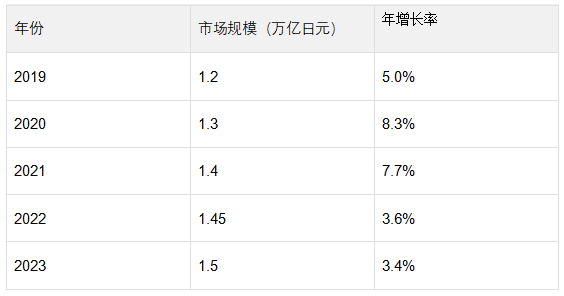
The Japanese functional food market is at the forefront globally. Thanks to its advanced scientific research and technology, stringent food safety standards, and consumers' strong pursuit of health, functional foods have become an essential part of the Japanese food industry. In 2023, the market size of Japanese functional foods reached 1.5 trillion yen (about 14 billion), and it is projected to grow to 1.6 trillion yen (around 15 billion) in 2024, with an annual growth rate of approximately 6.7%. This article will conduct a detailed analysis of the trend characteristics of Japanese functional foods and the development trends of ingredients in 2024, providing references for industry practitioners and investors.

Characteristics of the Trends in Japanese Functional Foods1.1 The Demand for Functional Foods Driven by Healthy Aging
Japan is one of the countries with the most severe aging populations in the world, with the population aged 65 and above accounting for 28% of the total population (data from 2023). As the elderly population grows, the market for functional foods catering to the health needs of the elderly has expanded rapidly. The following are the main trends:
Bone Health: Foods rich in calcium, vitamin D, and collagen, such as functional milk and bone broth, are witnessing a continuously increasing demand.
Cognitive Health: Foods containing DHA, EPA, and ginkgo biloba extract help improve memory and prevent Alzheimer's disease.
Immune Support: Foods containing probiotics, β - glucan, and lentinan enhance the immunity of the elderly.
1.2 The Rise of Personalized Nutrition
With the popularization of genetic testing and health monitoring technologies, personalized nutrition has emerged as an important trend in the functional food market. Japanese consumers are increasingly inclined to select customized functional foods based on their own health conditions. For example:
Nutrition Programs Driven by Genetic Testing: Analyze consumers' nutritional requirements through genetic testing and offer customized vitamin and mineral supplements.
Linkage with Smart Devices: Smart bracelets and health apps are integrated with functional foods to monitor consumers' health conditions in real - time and recommend corresponding functional foods.
1.3 The Popularity of Functional Snacks
Traditional functional foods are mostly in forms like capsules and tablets. However, in recent years, functional snacks have gained favor among consumers due to their convenience and delicious taste. In 2024, the functional snack market is expected to grow by 10%, and the main categories include:
High - Protein Snacks: Such as protein bars and nut mixtures, which meet the needs of fitness enthusiasts.
Low - Sugar Snacks: Functional snacks using natural sweeteners (such as luo han guo and erythritol) are suitable for diabetics and those on a diet.
Functional Beverages: Such as functional tea drinks and fruit juices containing collagen and probiotics.
1.4 Sustainable Development and Environment - Friendly Packaging
As consumers' environmental awareness grows, functional food enterprises have started to focus on sustainable development. In 2024, environment - friendly packaging and sustainable raw materials will become significant trends in the functional food market:
Environment - Friendly Packaging: Utilize degradable materials (such as mycelium packaging) and packaging designs that reduce plastic usage.
Sustainable Raw Materials: Adopt organically certified and fair - trade - certified raw materials to meet consumers' demand for green foods.
1.5 The Internationalization of Functional Foods
Japanese functional food enterprises are actively expanding into overseas markets, especially in Asia, Europe, and the United States. In 2024, the export of Japanese functional foods is expected to increase by 8%, and the main export products include:
Functional Tea Drinks: Such as matcha and oolong tea, which are rich in antioxidants.
Functional Seaweed Products: Such as kelp and wakame, which are rich in iodine and dietary fiber.
Functional Fermented Foods: Such as natto and miso, which are rich in probiotics and vitamin K2.
Development Trends of Ingredients in 20242.1 The Popularization of Superfoods
Superfoods, with their high nutritional value and health benefits, hold an important position in the Japanese functional food market. In 2024, the following superfoods will become market hotspots:
Chia Seeds: Rich in Omega - 3 fatty acids and dietary fiber, they are widely used in functional beverages and energy bars.
Quinoa: High - protein and low - GI (glycemic index), it is suitable for diabetics and fitness enthusiasts.
Blueberries: Rich in antioxidants, they are used in functional fruit juices and snacks.
2.2 The Rise of Plant - Based Proteins
With the prevalence of vegetarianism and plant - based diets, plant - based proteins have become important raw materials in the functional food market. In 2024, the Japanese plant - based protein market is expected to grow by 12%, and the main trends include:
Soy Protein: Used in plant - based meat substitutes and high - protein beverages.
Pea Protein: Due to its low allergenicity and high digestibility, it is widely used in functional snacks and sports nutrition products.
Mycelium Protein: Protein produced through fungal fermentation, which has high nutritional value and sustainability.
2.3 The Application of Functional Mushrooms
Mushrooms, with their rich nutritional value and functional components, occupy an important place in the functional food market. In 2024, the following functional mushrooms will become market hotspots:
Shiitake Mushrooms: Rich in β - glucan, which has an immunomodulatory effect, they are used in functional beverages and supplements.
Reishi Mushrooms: Containing triterpenoids, which have antioxidant and anti - fatigue effects, they are used in functional tea drinks and capsules.
Lion's Mane Mushrooms: Containing hericenones, which have a cognitive - function - improving effect, they are used in functional snacks and beverages.
2.4 The Innovation of Fermented Foods
Fermented foods are an important part of Japanese food culture and have been continuously innovating in the functional food market in recent years. In 2024, the following fermented foods will become market hotspots:
Natto: Rich in vitamin K2 and nattokinase, which have the effect of promoting blood circulation, it is used in functional snacks and supplements.
Miso: Rich in probiotics and antioxidants, it is used in functional soup bases and seasonings.
Kombucha: Rich in probiotics and organic acids, which have the effects of promoting digestion and immune support, it is used in functional beverages.
2.5 The Rise of Functional Oils
Functional oils have received significant attention in the functional food market due to their benefits for cardiovascular health and cognitive function. In 2024, the following functional oils will become market hotspots:
Omega - 3 Fatty Acids: Mainly sourced from fish oil and flaxseed oil, they are used in functional beverages and capsules.
MCT Oil (Medium - Chain Triglycerides): It provides energy rapidly and is suitable for athletes and people on a ketogenic diet, and is used in functional beverages and snacks.
Olive Oil: Rich in monounsaturated fatty acids, which have an antioxidant effect, it is used in functional seasonings and snacks.
Challenges and Opportunities in the Japanese Functional Food Market3.1 Main Challenges
Regulatory Restrictions: Japan has strict regulatory requirements for health claims of functional foods, and enterprises need to invest a large amount of resources in scientific research and approvals.
Market Competition: The competition between domestic and foreign enterprises is intense, and issues such as price wars and homogenization are prominent.
Consumer Education: Some consumers lack understanding of the efficacy of functional foods, and the cost of market education is relatively high.
3.2 Future Opportunities
Technological Innovation: Develop new functional components through technologies such as gene editing and synthetic biology to enhance product competitiveness.
International Cooperation: Collaborate with overseas scientific research institutions and enterprises to expand the international market.
Policy Support: The Japanese government supports the development of the functional food industry through subsidies and tax incentives.
Future Prospects of the Japanese Functional Food Market4.1 Market Growth Driven by Technological Innovation
AI and Big Data: Analyze consumers' health data through AI to provide personalized functional food recommendations.
Biotechnology: Use synthetic biology to develop new functional components, such as artificially synthesized antioxidants and probiotics.
4.2 Sustainable Development Becoming the Core Competitiveness
Environment - Friendly Packaging: Promote degradable materials and circular packaging to reduce environmental pollution.
Sustainable Raw Materials: Adopt organically certified and fair - trade - certified raw materials to meet consumers' demand for green foods.
4.3 International Expansion
Asian Market: The demand for Japanese functional foods in Asian countries such as China and South Korea continues to grow.
European and American Markets: Expand the high - end markets in Europe and the United States through cross - border e - commerce and offline channels.
Conclusion
Driven by technological innovation, health needs, and internationalization, the Japanese functional food market demonstrates strong growth potential. In 2024, with the popularization of ingredients such as superfoods, plant - based proteins, and functional mushrooms, as well as the deepening of trends such as personalized nutrition and sustainable development, the Japanese functional food market will continue to lead the global industry development. Although facing challenges such as regulatory restrictions and market competition, through technological innovation and policy support, the Japanese functional food industry is expected to achieve greater breakthroughs in the coming years.
Appendix: Data on the Market Size of the Japanese Functional Food Market (2019 - 2023)
创新博览会LOGO.png)


.webp)



创新博览会LOGO-white.png)