International News
Industry News
Mushroom farming, while a highly efficient and sustainable agricultural practice, produces a significant amount of waste. The waste generated during mushroom cultivation, primarily consisting of spent mushroom substrate (SMS), has traditionally been viewed as a byproduct with limited utility. However, recent advancements in resource management and waste recycling have highlighted numerous ways to repurpose mushroom waste into valuable products, contributing to a more sustainable and circular agricultural system. This article will explore how mushroom waste can be recycled and repurposed to maximize its resource value.
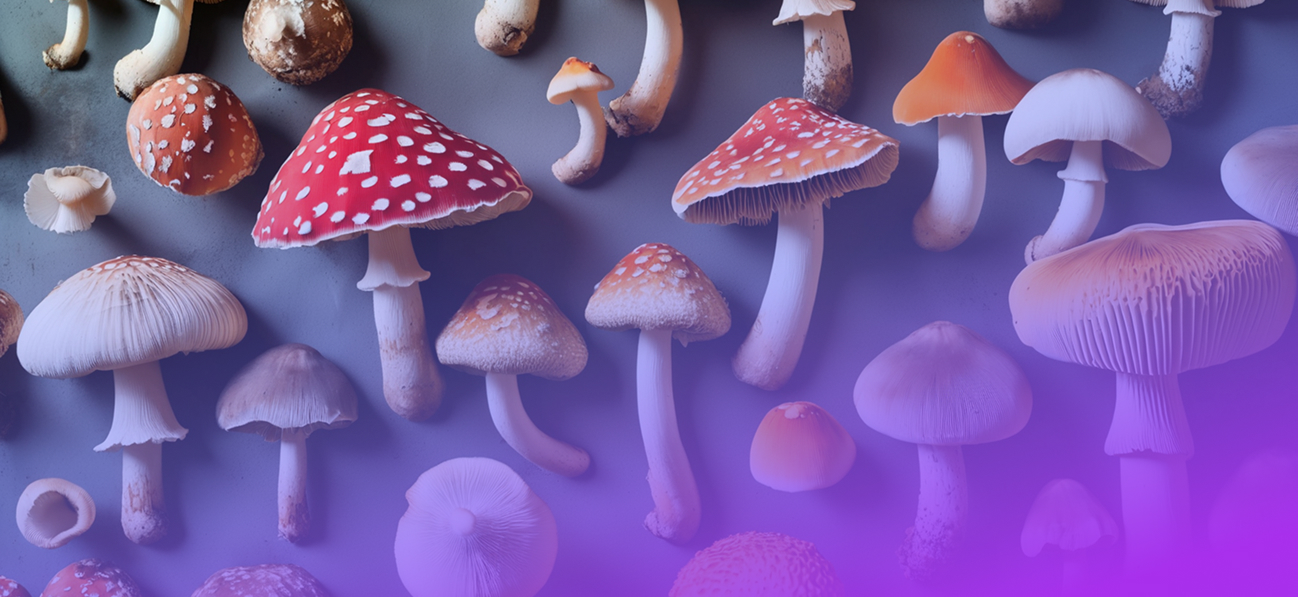
Understanding Mushroom Waste: Spent Mushroom Substrate (SMS)
The primary type of waste produced during mushroom cultivation is spent mushroom substrate (SMS), which consists of the organic materials used to grow the mushrooms, such as straw, sawdust, or agricultural byproducts, along with the nutrients that the mushrooms have consumed. After the mushrooms have been harvested, the remaining substrate is considered spent, as it no longer supports further mushroom growth. SMS is typically discarded or used as animal bedding, but increasingly, it is being recognized for its potential as a resource for various sustainable practices.
Repurposing Mushroom Waste in Agriculture
Soil Enrichment and Composting: One of the most common ways to repurpose SMS is by using it as a soil conditioner or compost material. The organic matter in SMS is rich in nutrients, particularly nitrogen, phosphorus, and potassium, which are essential for plant growth. When incorporated into soil, SMS can improve soil structure, increase water retention, and enhance soil fertility. Furthermore, SMS is often composted with other organic waste materials, which speeds up the decomposition process and results in nutrient-rich compost that can be used to enrich the soil for other crops.
Fodder for Livestock: SMS can also be repurposed as a feed for livestock. When properly treated and processed, the spent substrate can be used to supplement animal diets, particularly for herbivores like cattle, sheep, and goats. The high fiber content in SMS can aid in digestion and provide essential nutrients, making it a viable alternative to traditional feed. Additionally, SMS can be used as bedding for animals, which further extends its usefulness in the agricultural industry.
Bioenergy Production: Mushroom waste is increasingly being explored as a feedstock for bioenergy production. The organic materials in SMS can be used in anaerobic digestion to produce biogas, a renewable energy source. This biogas can then be converted into electricity or used as a heating fuel. Alternatively, SMS can be subjected to thermal treatment, such as pyrolysis or gasification, to produce biochar, a form of charcoal that can be used as a soil amendment or a material in various industrial processes. This approach not only helps recycle mushroom waste but also contributes to reducing reliance on fossil fuels.
Mushroom Waste in Manufacturing and Consumer Products
Mushroom-Based Packaging Materials: Innovative companies are turning mushroom waste into sustainable packaging materials. Researchers have developed biodegradable packaging made from mycelium, the root structure of mushrooms, and other agricultural waste, including SMS. This material can be molded into shapes similar to Styrofoam, providing an environmentally friendly alternative to plastic packaging. Mushroom-based packaging is durable, lightweight, and fully biodegradable, offering a solution to the growing issue of plastic waste in the environment.
Mushroom Leather: The mycelium in mushroom waste has also been found to have potential in the textile industry. Some companies are producing "mushroom leather" from mycelium and spent mushroom substrate, which is used as a sustainable alternative to animal leather. This material is being used to create shoes, bags, and clothing, providing a cruelty-free and environmentally friendly alternative to traditional leather. Mushroom leather is biodegradable, lightweight, and durable, making it a viable solution for the fashion and textile industries, which are increasingly seeking sustainable materials.
Fungi-Based Construction Materials: Mushroom waste, particularly mycelium, has also found applications in the construction industry. Mycelium, when grown and treated, can be used to create lightweight, strong, and insulating materials for construction. Researchers are exploring the use of mycelium-based bricks and panels as alternatives to traditional building materials such as concrete or insulation foam. These materials are not only sustainable but also offer excellent thermal and acoustic insulation properties.
Environmental Impact and Sustainability Benefits
Waste Reduction and Circular Economy: Repurposing mushroom waste is an essential step in promoting a circular economy, where waste is minimized, and resources are continually reused. By converting mushroom waste into useful products, the agricultural sector can significantly reduce its environmental impact. Instead of disposing of spent mushroom substrate in landfills, where it would decompose and release methane, a potent greenhouse gas, it can be repurposed into value-added products that benefit both the environment and the economy.
Carbon Footprint Reduction: The recycling of mushroom waste helps to lower the carbon footprint of the mushroom farming industry. The production of mushroom-based packaging, for example, is more energy-efficient than the manufacturing of plastic or styrofoam, which require significant energy and petroleum-based inputs. Similarly, the use of SMS as a soil conditioner reduces the need for synthetic fertilizers, which are energy-intensive to produce. By reducing the reliance on traditional resource extraction and production methods, the mushroom waste recycling process plays a role in mitigating climate change.
Challenges and Future Opportunities
While the recycling and repurposing of mushroom waste holds tremendous potential, there are challenges that need to be addressed. One key obstacle is the lack of awareness and infrastructure in many regions to support the large-scale recycling of mushroom waste. Additionally, the economic viability of repurposing mushroom waste into high-value products, such as packaging materials or mycelium-based leather, depends on the development of efficient and cost-effective production methods.
However, as demand for sustainable and eco-friendly products continues to grow, the potential for mushroom waste recycling is vast. Continued research and development in this field are likely to lead to further innovations, unlocking new markets and applications for mushroom waste. Additionally, collaborations between mushroom producers, waste management companies, and manufacturers can help establish a more robust infrastructure for the recycling of mushroom waste, driving economic growth while simultaneously benefiting the environment.
Conclusion
Mushroom waste, once viewed as a byproduct of limited value, is increasingly being recognized as a valuable resource in various industries. From enhancing agricultural productivity through composting to providing sustainable alternatives in packaging, textiles, and construction, the repurposing of mushroom waste plays a crucial role in promoting environmental sustainability and reducing waste. As technology advances and more industries embrace circular economy practices, the recycling of mushroom waste will continue to be an essential component of the global effort to create a more sustainable and resource-efficient future.
创新博览会LOGO.png)

.webp)


创新博览会LOGO-white.png)