Industry News
Science Garden
The mushroom industry, like many other sectors in the food industry, faces challenges related to the freshness and shelf life of its products. Mushrooms are highly perishable, with a short shelf life, which makes transportation and distribution a complex task. However, cold chain technology has emerged as a game changer, offering innovative solutions to these challenges. By maintaining optimal temperature conditions throughout the supply chain, cold chain technology is enhancing the efficiency, quality, and sustainability of mushroom distribution. This article explores how cold chain technology is reshaping the mushroom supply chain, from farm to table.
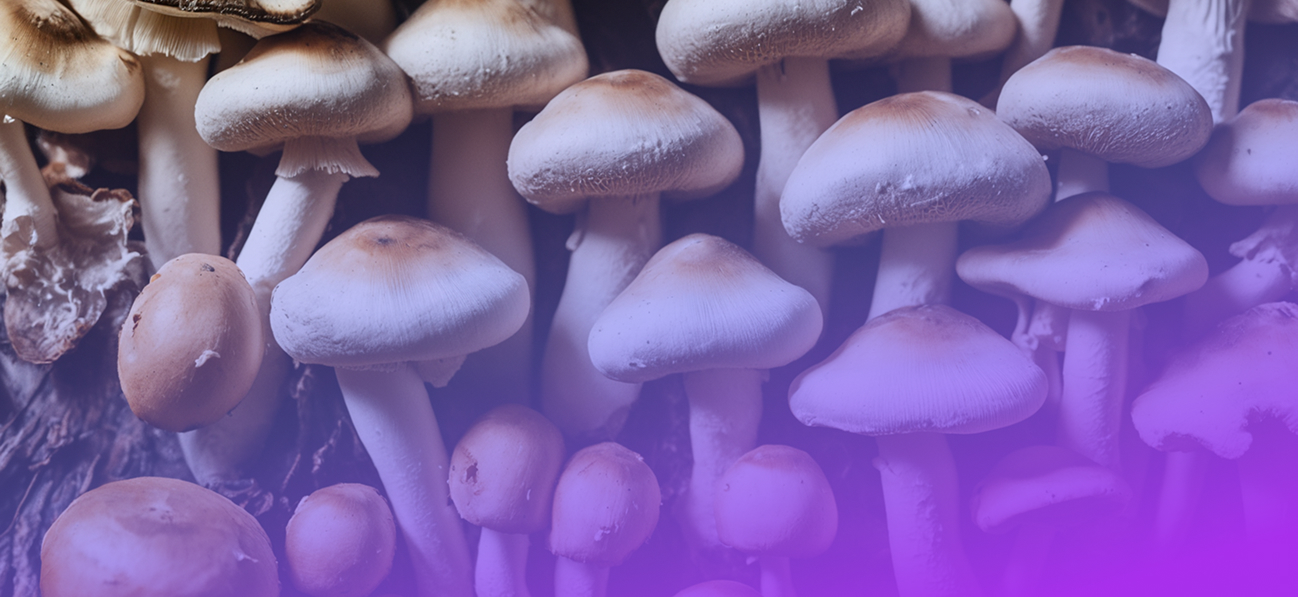
The Role of Cold Chain Technology in the Mushroom Supply Chain
Maintaining Freshness and Quality:
Mushrooms are delicate organisms that degrade quickly when exposed to higher temperatures, leading to spoilage, discoloration, and a loss of nutritional value. Cold chain technology ensures that mushrooms are kept at the ideal temperature throughout their journey from farm to consumer, typically between 0°C to 4°C. By preventing temperature fluctuations, cold chain systems help preserve the freshness, texture, and nutritional quality of mushrooms, ensuring that consumers receive high-quality produce with a longer shelf life. This technology has become especially crucial as the demand for fresh mushrooms continues to rise, both in domestic and international markets.
Extending Shelf Life:
One of the most significant challenges in the mushroom industry is the short shelf life of fresh mushrooms, which typically ranges from 3 to 7 days. Cold chain technology plays a vital role in extending this shelf life by slowing down the natural decay process. By maintaining a consistent low temperature during transportation and storage, cold chain solutions can extend the freshness of mushrooms for several additional days, reducing the risk of spoilage and waste. This benefit is especially important for mushrooms destined for export, where long transportation times and international logistics can otherwise compromise product quality.
Reducing Food Waste:
Food waste is a pressing issue worldwide, and the mushroom industry is no exception. The perishability of mushrooms leads to significant losses during transportation and storage. However, the implementation of advanced cold chain technologies, such as refrigerated trucks, temperature-controlled warehouses, and smart monitoring systems, has helped reduce these losses. By maintaining optimal temperatures, these systems ensure that mushrooms remain in peak condition until they reach retailers and consumers. This not only reduces waste but also improves the overall efficiency of the supply chain, benefiting both producers and consumers.
Improving Traceability and Transparency:
Cold chain technology has also paved the way for greater transparency and traceability within the mushroom supply chain. Advanced temperature monitoring systems enable real-time tracking of mushrooms' temperature from farm to retail. This provides valuable data on the condition of the product at every stage of the journey, allowing stakeholders to ensure that mushrooms are transported and stored under optimal conditions. In addition, this traceability helps in identifying any potential issues, such as temperature violations, that could lead to spoilage or quality degradation, enabling corrective actions before the mushrooms reach consumers.
Enabling Global Trade:
As the global demand for mushrooms increases, cold chain technology plays a crucial role in facilitating international trade. Exporting fresh mushrooms requires maintaining the ideal conditions for long periods, which is only possible with an efficient cold chain system. Whether it’s shipping mushrooms from Asia to North America or from Europe to the Middle East, cold chain logistics ensures that products arrive in the best condition possible, meeting the quality standards of consumers around the world. This has opened up new markets for mushroom producers, allowing them to expand their reach and tap into international demand.
Technological Advancements in Cold Chain Systems for Mushrooms
Smart Refrigeration:
Modern refrigeration units are equipped with sensors and smart technology that monitor temperature fluctuations in real time. This enables more precise temperature control during transportation and storage. For mushrooms, this means that the refrigeration system can adjust temperature levels automatically if any deviation occurs, ensuring that the product remains at an ideal temperature throughout the supply chain. Smart refrigeration also allows operators to track energy consumption, optimize route planning for deliveries, and reduce operational costs, making the supply chain more efficient and sustainable.
IoT-Enabled Monitoring:
The Internet of Things (IoT) has revolutionized cold chain management by providing real-time visibility of the entire supply chain. With IoT-enabled devices, stakeholders can monitor the temperature, humidity, and location of mushrooms at every stage of the journey. This data is transmitted to a central platform, where it can be analyzed to detect any potential issues, such as temperature excursions, that may affect product quality. In addition to temperature control, IoT systems can also track the freshness of mushrooms, giving growers and distributors valuable insights into when products should be sold or consumed.
Temperature-Controlled Packaging:
Temperature-controlled packaging solutions are another important advancement in the mushroom supply chain. Specially designed insulated packaging helps maintain the ideal temperature and humidity levels during short- and long-term storage. These packages are often used for retail-ready mushroom products, ensuring that mushrooms arrive at stores in optimal condition. In addition to maintaining freshness, these packaging systems reduce the need for excess plastic, aligning with the growing demand for eco-friendly solutions in the food industry.
Blockchain for Transparency:
Blockchain technology has begun to make its way into the cold chain logistics of the mushroom industry. Blockchain allows for the creation of an immutable ledger that records every step of the supply chain, from cultivation to retail. By using blockchain, mushroom producers and distributors can provide consumers with detailed information about the origins of the product, its journey, and the conditions under which it was transported. This level of transparency can increase consumer trust and satisfaction while also helping companies comply with food safety regulations.
Challenges and Future of Cold Chain Technology in the Mushroom Industry
Cost of Implementation:
While cold chain technology offers significant benefits, the initial investment required to implement these systems can be high, particularly for small- and medium-sized mushroom producers. The costs associated with refrigerated transport, smart monitoring systems, and temperature-controlled storage can be prohibitive for some growers. However, as technology continues to evolve and become more affordable, the adoption of cold chain solutions is expected to increase across the industry, benefiting producers of all sizes.
Energy Consumption:
Maintaining the ideal temperature for mushrooms over long distances can be energy-intensive, especially in the case of long-haul shipments. The environmental impact of cold chain systems is a growing concern, as excessive energy use contributes to carbon emissions. To address this issue, the industry is exploring more energy-efficient refrigeration technologies and renewable energy sources to power cold chain operations. The integration of solar power, for example, could reduce the carbon footprint of mushroom transportation and storage.
Conclusion
Cold chain technology is revolutionizing the mushroom supply chain by ensuring that mushrooms reach consumers in the freshest and highest-quality state possible. By maintaining optimal temperatures and extending shelf life, cold chain solutions reduce waste, improve efficiency, and enable global trade. As the demand for fresh mushrooms continues to grow, the importance of cold chain technology will only increase. While challenges such as cost and energy consumption remain, the continued development of advanced refrigeration, IoT monitoring, and sustainable packaging solutions promises to shape a more efficient, sustainable, and consumer-friendly mushroom industry in the years to come.
创新博览会LOGO.png)

.webp)


创新博览会LOGO-white.png)