Industry News
Science Garden
In recent years, home gardening has seen a resurgence as people look for ways to reconnect with nature, promote sustainability, and enhance their health. Among the various gardening trends, home mushroom cultivation has emerged as a particularly appealing option for individuals seeking a healthy lifestyle. Growing mushrooms at home not only provides fresh and nutritious produce but also aligns with the growing consumer interest in self-sufficiency, sustainable living, and functional foods. This article explores the benefits of home mushroom cultivation, the ease of getting started, and the health advantages that come with this emerging trend.
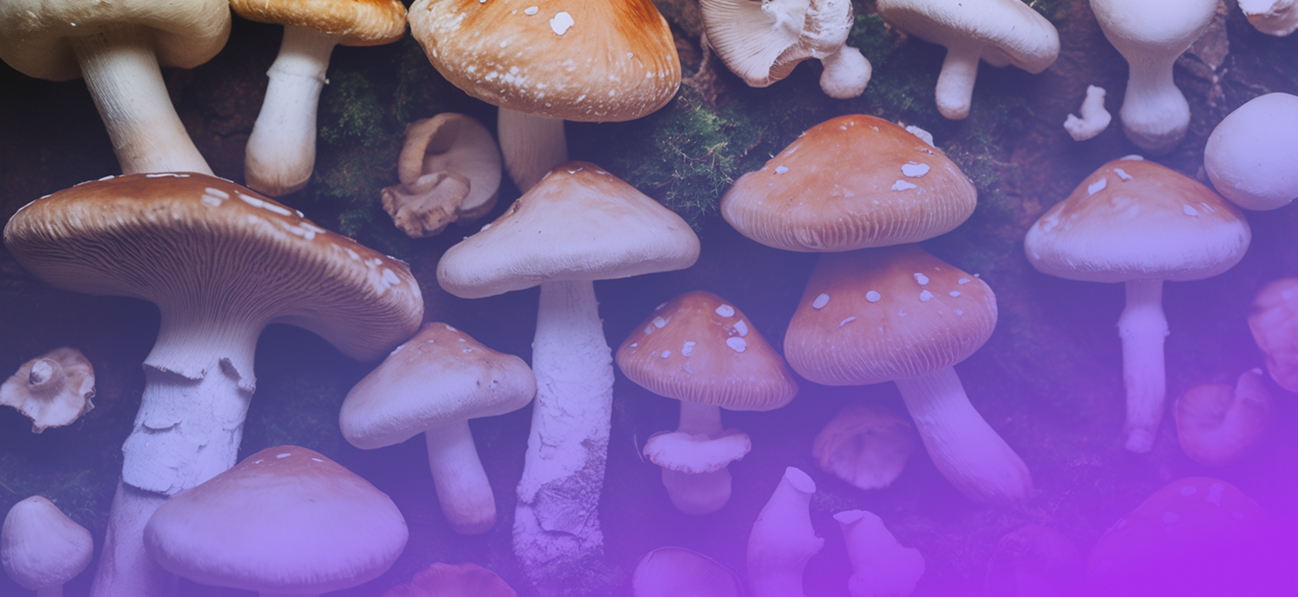
The Appeal of Growing Mushrooms at Home
Fresh and Nutritious Produce:
Mushrooms are a highly nutritious food source, rich in essential vitamins and minerals like vitamin D, B-vitamins, potassium, and fiber. They are also low in calories and fat, making them an ideal addition to a healthy diet. By growing mushrooms at home, individuals can enjoy fresh, organic mushrooms right at their fingertips, ensuring that they are getting the maximum nutritional benefits. The ability to harvest mushrooms directly from one’s own garden or kitchen also offers a level of satisfaction that store-bought produce cannot provide.
Sustainability and Eco-Friendliness:
Home mushroom cultivation supports a sustainable lifestyle. Mushrooms require minimal space and resources to grow, making them a perfect crop for small households or urban dwellers. Unlike many traditional crops, mushrooms can be grown indoors, even in apartments or small urban settings, with the use of small grow kits or containers. This reduces the carbon footprint associated with transporting mushrooms over long distances. Additionally, many mushroom-growing methods utilize agricultural waste, such as coffee grounds, straw, or sawdust, which can be recycled and repurposed, further contributing to environmental sustainability.
Educational and Therapeutic Benefits:
For those looking to learn more about the process of food production and cultivation, growing mushrooms at home offers an educational experience that connects individuals with the origins of their food. It fosters an understanding of agriculture, biology, and sustainability. Beyond its educational value, mushroom cultivation can also be a therapeutic activity. Tending to mushrooms requires minimal physical effort but provides a sense of accomplishment and relaxation. Gardening, including mushroom growing, has been shown to reduce stress, improve mood, and promote overall well-being, making it a fulfilling hobby for individuals of all ages.
Health Benefits of Home-Grown Mushrooms
Access to Medicinal Mushrooms:
In recent years, medicinal mushrooms have gained significant popularity for their health-promoting properties. Varieties such as reishi, shiitake, maitake, and lion’s mane are renowned for their potential to support immune health, reduce inflammation, and enhance cognitive function. By cultivating these mushrooms at home, individuals can directly access these powerful medicinal varieties. Regular consumption of medicinal mushrooms has been linked to various health benefits, including improved mental clarity, enhanced energy levels, and better immune system support. Growing these mushrooms at home offers a convenient and cost-effective way to incorporate them into one's daily diet.
Boosting Gut Health:
Mushrooms are rich in prebiotics, which are compounds that support the growth of beneficial gut bacteria. The fiber found in mushrooms, particularly beta-glucans, helps to improve digestion and promote a healthy gut microbiome. A balanced gut microbiome is essential for overall health, as it is linked to improved immune function, better nutrient absorption, and a lower risk of chronic diseases. Cultivating mushrooms at home ensures a consistent supply of fresh, high-quality mushrooms that can be incorporated into meals to support digestive health.
Low in Calories and Fat:
For those looking to maintain a healthy weight or manage calorie intake, mushrooms are an excellent choice. They are naturally low in calories and fat, yet high in flavor and texture, making them an ideal substitute for higher-calorie ingredients in many recipes. Whether sautéed, roasted, or added to soups and salads, mushrooms provide a satisfying and nutritious option that supports healthy weight management. Growing mushrooms at home allows individuals to enjoy a consistent supply of this nutrient-dense food without the need for expensive grocery store purchases.
Mental Health Benefits:
Certain types of mushrooms, particularly varieties like lion’s mane, are believed to have cognitive-enhancing properties. Research has shown that lion’s mane mushrooms contain compounds that may stimulate the growth of nerve cells and improve brain function. Growing these types of mushrooms at home can support brain health and may help with issues such as memory decline, focus, and mental clarity. As mental health and cognitive function continue to be a growing concern in today’s society, home cultivation of medicinal mushrooms provides an accessible way to promote long-term brain health.
How to Get Started with Home Mushroom Cultivation
Choose the Right Mushroom Variety:
The first step in home mushroom cultivation is selecting the right type of mushroom. For beginners, oyster mushrooms and button mushrooms are popular choices due to their relatively easy growing conditions. More experienced growers may opt for medicinal varieties such as shiitake, lion’s mane, or reishi. It is essential to choose a variety that matches the available growing environment and the desired health benefits.
Select a Growing Kit or Medium:
Many companies now offer mushroom growing kits that make the process of home cultivation simple and convenient. These kits often include everything needed to grow mushrooms, such as inoculated substrate, growing containers, and detailed instructions. For those interested in a more hands-on approach, mushrooms can also be grown using a variety of substrates such as straw, sawdust, coffee grounds, or logs. The choice of substrate depends on the type of mushroom being cultivated and the available space for growing.
Create the Ideal Growing Environment:
Mushrooms require specific environmental conditions, such as temperature, humidity, and light, to grow successfully. While some mushrooms, like oyster mushrooms, thrive in warmer conditions, others may need cooler environments. It’s important to ensure that the chosen growing space, whether indoors or outdoors, provides the appropriate conditions. A dark, cool space with moderate humidity is ideal for most mushrooms. Indoor growing options such as a dedicated grow room, closet, or even a basement can work well.
Patience and Care:
Mushrooms generally require a few weeks to several months to mature, depending on the variety. During this time, it is essential to monitor the growing conditions and maintain humidity levels, ensuring that the mushrooms have the necessary environment to thrive. Regular harvesting ensures that the mushrooms are consumed at their peak freshness and nutritional value.
Conclusion
Home mushroom cultivation is quickly gaining traction as a healthy lifestyle choice for individuals seeking fresh, nutritious, and sustainable food sources. With minimal space requirements and the ability to grow a variety of mushrooms, including medicinal and functional types, this practice offers numerous health benefits. Whether for boosting immune health, supporting gut function, or enhancing cognitive abilities, home-grown mushrooms can become an integral part of a balanced diet. As people continue to embrace sustainable living and prioritize wellness, home mushroom cultivation stands out as an accessible and rewarding way to nurture both physical health and mental well-being.
创新博览会LOGO.png)


.webp)



创新博览会LOGO-white.png)