May 25, 2026
As the global food and beverage industry steps into 2026, consumer eating habits and nutritional demands are undergoing a profound and defining shift. After years of chasing single nutritional labels such as "low-sugar, low-fat, and high-protein," the market has ushered in a new consumption era focused on comprehensive functional nutrition and natural ingredient value. Industry trend forecasts and global consumer survey data consistently confirm that 2026 will be officially defined as the dual-core year of dietary fiber and high-quality protein, thereby reshaping restaurant menu design, ingredient selection logic, and catering consumption preferences across the world.
For a long time, dietary fiber and protein have existed as independent nutritional concepts in the food market. Protein has long occupied the core position of healthy eating, while fiber was once regarded as a single digestive aid ingredient, mainly attached to coarse grains and simple health products. However, in 2026, these two core nutrients are no longer mutually independent. They have become the most sought-after dual standard for consumers to judge healthy meals, driving a comprehensive upgrade of the catering industry from simple "healthy labeling" to "substantial functional nutrition."
Fiber Goes Mainstream: From Digestive Aid to Full-Spectrum Functional Nutrition
Dietary fiber has officially become the fastest-growing traditional functional food trend of 2026, completely breaking the traditional stereotype of being only associated with coarse grains and bran. In the new round of health consumption upgrades, fiber has bid farewell to its single functional positioning and evolved into a core baseline nutrient covering whole-body health management, becoming an indispensable part of consumers' daily dietary choices.
59% of global consumers prioritize maintaining gut health as a core component of their overall physical well-being, and this proportion continues to rise among young consumers, office workers, and fitness groups.
Modern people face long-term sub-health problems such as irregular diets, high oil and salt intake, and sedentary lifestyles, making gut disorders, metabolic disorders, and energy imbalances common health pain points. As the core nutrient to improve intestinal microecology, dietary fiber has naturally become the first choice for daily health regulation.
Beyond gut health, consumers' dining demands have become more refined and practical. Modern diners are no longer satisfied with simple satiety; they are actively screening for smart foods that bring long-lasting satiety, a light eating experience, and a zero-burden lifestyle. They reject greasy, highly processed, empty-calorie junk foods, and abandon coarse fiber products that are difficult to swallow and negatively impact the dining experience. This demand has completely rewritten the market value and product logic of dietary fiber.
Three Core Health Values of Premium Dietary Fiber in 2026:
1. Supporting Gut and Gut-Brain Health
Dietary fiber acts as a prebiotic to nourish beneficial intestinal flora, regulate intestinal microecological balance, and further affect mental states, mood stability, and sleep quality through the gut-brain axis, meeting consumers' demands for physical and mental dual health.
2. Optimizing Metabolic Wellness
High-quality fiber can slow down carbohydrate absorption, stabilize blood sugar fluctuations, and improve the body's metabolic rate. It effectively aids weight management and body conditioning, making it deeply loved by body-shaping and luxury health-eating groups.
3. Maintaining Balanced Energy and Lasting Satiety
Fiber delays food digestion, avoiding rapid blood sugar spikes and crashes caused by refined carbohydrates. This prevents post-meal drowsiness and hunger rebounds, providing stable energy support for study, work, and exercise throughout the day.
Driven by this cognitive upgrade, dietary fiber has completely entered the mainstream consumer market. It is no longer a niche ingredient for health enthusiasts, but a basic nutritional expectation that ordinary consumers implicitly require when ordering in restaurants. Whether it is casual fast food, light meals, formal dining, or snack foods, menus lacking high-quality fiber support are gradually losing market competitiveness. Fiber has become the standard configuration of 2026 healthy catering, and also the core selling point for catering brands to differentiate and upgrade.
Protein Remains Supreme: From High-Protein Label to High-Quality Functional Protein
While fiber ushers in explosive growth, protein, the long-standing king of nutritional trends, still maintains an unshakable dominant position in the market and will continue to lead the healthy eating track in 2026. Different from fiber's rapid rise, protein has accumulated stable consumer awareness and market demand after years of market cultivation, and its consumer group covers all age groups from teenagers and office workers to middle-aged and elderly people.
Industry Data: Survey data shows that 70% of global diners are actively increasing their daily protein intake. In consumer perception, protein is the core guarantee of physical vitality, muscle maintenance, body immunity, and post-meal satisfaction.
On restaurant menus, protein has always been the core element that determines dish value, taste satisfaction, and diners' repurchase willingness. It can bring a solid feeling of satiety and taste enjoyment that light fiber foods cannot match, serving as the key to balancing nutrition and the overall dining experience.
However, compared with previous years, the protein trend in 2026 has undergone an obvious iterative upgrade. The era of simply pursuing "high protein content" is over. Consumers have completely abandoned isolated, ultra-processed single-protein products such as processed meat products and pure protein powder. The new consumer demand is for high-quality protein with additional functional benefits. Modern diners no longer pay for a single nutritional label. They hope that every gram of protein ingested can bring more value: natural ingredient sources, low processing burdens, accompanied by dietary fiber, vitamins, and minerals, to realize one-stop nutritional supplementation. Consumers are increasingly resistant to overly processed protein ingredients with single nutrition, excessive additives, and heavy bodily burdens, and tend to choose natural, original, compound nutritional protein sources. This change has put forward higher requirements for chefs' and catering operators' ingredient selection and dish innovation.
2026 Core Catering Trend: The Perfect Integration of Nutrition, Function, and Taste
2026 is a pivotal year for the food and beverage industry to realize the integration of nutritional function, health value, and dining experience. The dual popularity of fiber and protein marks that healthy catering has bid farewell to the two extreme states of "empty nutrition with poor taste" and "good taste with unhealthy nutrition." The new industry standard is to create dishes with balanced dual nutrition of fiber and protein, natural functional advantages, and excellent flavor and texture.
It is worth emphasizing that in the iteration of healthy food trends, taste is always the unbreakable core rule of the catering industry. No matter how prominent the nutritional advantages of a product are, flavor, texture, and craving are the primary factors that determine customer retention and repeat orders. In the past, many "healthy light meals" and "low-calorie skinny dishes" fell into a homogeneous dilemma: single taste, rough texture, and a lack of layering, sacrificing the dining experience for nutritional value. These products can only attract short-term trial consumption but cannot form stable repurchases, which has been a common pain point of the healthy catering track for a long time.
Consumers' demands in 2026 are more rational and comprehensive: they want the intestinal care and light burden brought by high fiber, alongside the satiety and nutritional value brought by high-quality protein, while refusing to compromise on flavor, texture, and dining pleasure. The market urgently needs high-quality ingredients that can perfectly balance dual nutrition and superior taste, and mushrooms have become the optimal solution to solve this industry pain point.
Mushrooms: The Perfect 2026 Menu Innovation Weapon for Balanced Fiber & Protein
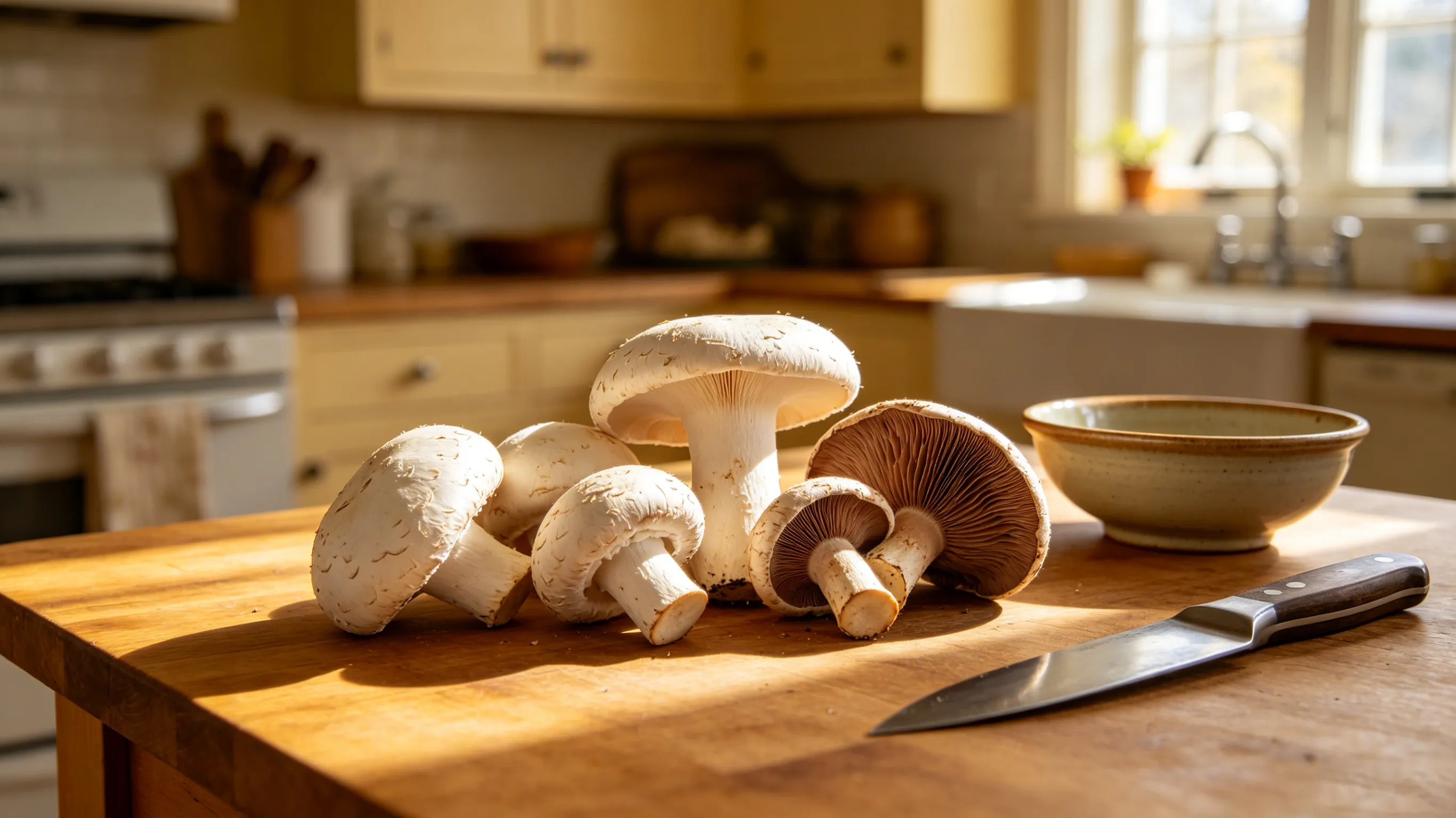
As a natural super ingredient that integrates multiple advantages, mushrooms perfectly fit all core demands of 2026 food trends, becoming a must-choose innovative ingredient for chefs and catering operators. Different from artificially fortified nutritional ingredients, mushrooms have natural and original nutritional attributes, without excessive processing and additive burdens, perfectly matching consumers' pursuit of natural healthy food.
|
🌱 Rich in Natural Dietary Fiber
As a plant-based functional ingredient, mushrooms contain a variety of soluble and insoluble dietary fibers, which can effectively supplement daily fiber intake, assist intestinal regulation, stabilize metabolism, and bring long-lasting light satiety, fully meeting consumers' core demands for gut health and light, healthy eating.
|
|
✨ Delivering Intense Umami Flavor
The natural glutamate and flavor peptides in mushrooms create rich and layered umami tastes, which can replace artificial seasonings to enhance dish flavor. It solves the problem of tasteless and bland traditional healthy dishes, greatly improving the craving and taste layering of nutritional dishes.
|
|
🥩 Meaty and Chewy Texture
The tight and elastic texture of mushrooms can simulate the bite of meat, perfectly replacing a portion of animal protein ingredients. It enriches the texture of light nutritional dishes, avoids the dryness and roughness of pure plant-based dishes, and brings a satisfying dining experience.
|
|
🍳 Ultra-High Culinary Versatility
They are compatible with almost all cuisines worldwide, suitable for frying, roasting, stewing, mixing, and other cooking methods. They can be matched with meat, grains, and vegetables at will, helping chefs innovate diversified dishes covering light meals, staple foods, side dishes, and snacks, with extremely rich application scenarios.
|
The nutritional and taste advantages of mushrooms are not empty health propaganda, but practical menu competitive advantages. In the 2026 fiber and protein dual-core trend, mushroom-based dishes can perfectly solve the industry dilemma of "nutrition without taste, taste without health," helping catering brands achieve differentiated innovation, meet consumers' dual demands for health and taste, and effectively improve customer satisfaction and repurchase rates.
Practical Trend Guide: Help Operators Preempt the 2026 Catering Track
For catering operators who want to seize the 2026 food trend dividend, accurate trend insight and practical dish innovation methods are essential. To help the industry transform and upgrade efficiently, we have launched a professional and practical trend guide, focusing on interpreting the landing logic of fiber and protein trends in actual catering operations.
This guide systematically sorts out the essential changes of fiber and protein trends on menu design, ingredient matching, and product positioning, summarizes a large number of real cases of chef innovative dishes, and analyzes in detail the core matching logic and application skills of mushrooms in the new nutritional system. It helps every operator easily realize healthy dish innovation without compromising taste and customer experience.
In 2026, consumer catering demand has become very clear: diners are willing to pay premium prices for dishes with natural high fiber, high-quality protein, excellent taste, and functional health value. Catering brands that can accurately capture this trend and complete product iteration will firmly occupy the dominant position in the market. Meet diners' dual pursuit of fiber and protein health alongside delicious taste, and you will win the new round of catering market competition.
创新博览会LOGO.png)

.webp)



创新博览会LOGO-white.png)