Industry News
Science Garden
I. Consumption Trends and Challenges of Functional Foods
Market Trends of Functional Foods
In recent years, the functional food market has risen rapidly due to consumers' high attention to health. Functional foods are defined as foods that, in addition to providing basic nutrition, have additional health benefits, such as enhancing immunity, improving gut health, or regulating blood sugar. According to data from Grand View Research, the global functional food market size reached $275 billion in 2022 and is expected to continue to expand at a compound annual growth rate (CAGR) of 7.9% from 2023 to 2030. The following are several core trends of current functional foods:
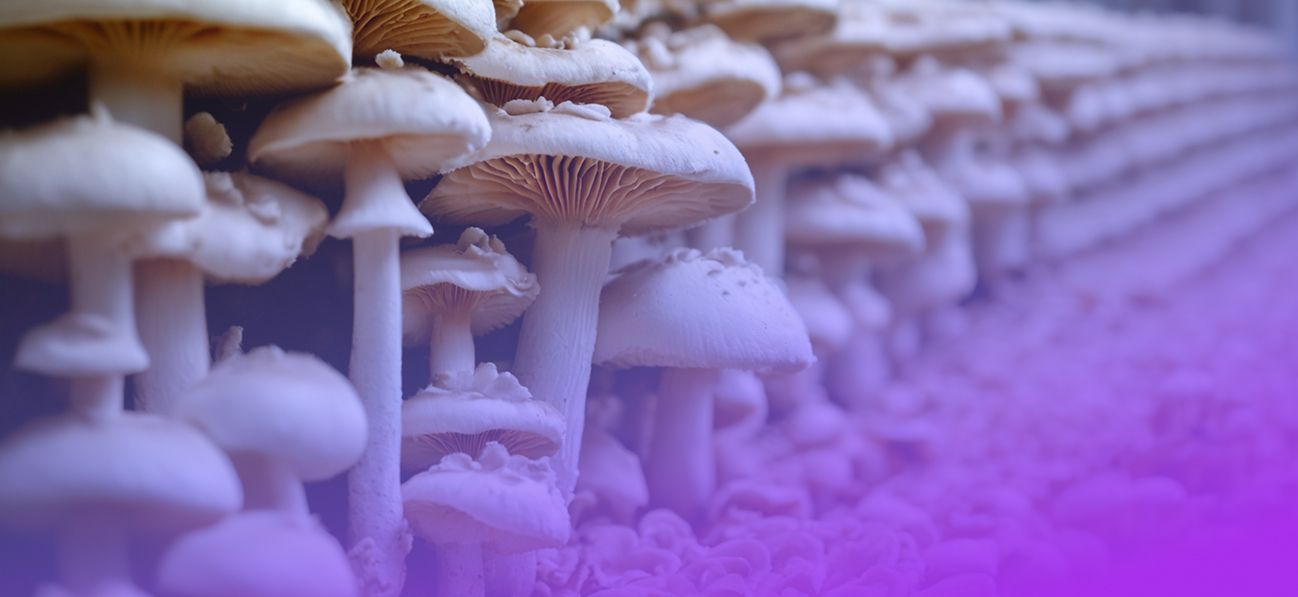
Natural Ingredients and Clean Labels: Consumers are increasingly inclined to choose functional foods with transparent ingredients and no artificial additives. For example, products containing natural plant extracts (such as turmeric and mushrooms) are more popular. According to a survey by Innova Market Insights, 42% of the newly launched functional foods globally in 2022 claimed to use natural ingredients.
Personalized Nutrition: With the popularization of genetic testing and health monitoring technologies, consumers hope that foods can be customized according to individual needs. For example, protein - fortified foods for sports people, joint - health supplements for the elderly, etc. The market size of personalized functional foods is expected to exceed $20 billion by 2027.
Convenience and Ready - to - Eat: The fast - paced lifestyle has driven the demand for portable functional foods. Energy bars, ready - to - drink beverages, and soluble powders (such as mushroom coffee) have become popular categories. In 2022, the global sales of ready - to - eat functional foods increased by 12%, far exceeding traditional dosage forms.
Sustainable Development: Consumers not only pay attention to their own health but also attach importance to the environmental protection attributes of products. Sustainable packaging, organic certifications, and low - carbon supply chains have become important selling points for functional food brands. For example, companies using mushroom mycelium as packaging materials are favored by the capital market.
Main Challenges Facing Functional Foods
Despite the broad market prospects, the functional food industry still faces multiple challenges:
Regulatory Complexity: The regulations on health claims for functional foods vary significantly among different countries. For example, the EU requires strict scientific evidence to support product claims, while the United States allows some "structure - function claims" without FDA approval. This fragmentation increases the compliance costs and time - to - market for enterprises.
Consumer Cognition Gap: Many consumers lack a clear understanding of the actual efficacy of functional foods. According to a survey by the IFIC (International Food Information Council), only 35% of consumers can accurately distinguish the differences between "functional foods" and ordinary foods, resulting in high market - education costs.
Supply Chain Volatility: The raw materials (such as rare plant extracts) on which functional foods rely are vulnerable to factors such as climate and geopolitics. For example, the global shortage of rooibos tea in South Africa in 2021 led to production disruptions for many enterprises.
Homogeneous Competition: A large number of brands have flooded into the market, and the lack of product innovation has led to serious homogenization. For example, probiotic beverages and collagen powders have become saturated, and enterprises need to break through through differentiated positioning.
II. Opportunities for the Mushroom Industry in Functional Foods
Nutritional Value and Functional Characteristics of Mushrooms
Mushrooms are the "superstars" in the field of functional foods. Their natural ingredients and diverse applications make them the core driving force for industry innovation:
Immune Regulation: β - Glucan in shiitake mushrooms has been proven to activate macrophages and enhance immunity. Clinical trials have shown that daily intake of 500 mg of shiitake mushroom extract can reduce the incidence of colds by 25%.
Cognitive Health: Hericenones in lion's mane mushrooms can promote the synthesis of nerve growth factor (NGF) and improve memory function. The Japanese market has launched several lion's mane mushroom brain - health supplements, with an annual growth rate of 18%.
Anti - Fatigue and Antioxidation: Triterpenoids in reishi mushrooms have significant antioxidant and anti - inflammatory effects and are widely used in energy drinks and sports nutrition products.
Market Potential of Mushroom - based Functional Foods
The global market size of mushroom - based functional foods reached 8.5 billion in 2022 and is expected to exceed 15 billion by 2030. The main application areas include:
Dietary Supplements: Mushroom extract capsules, powders, and drops account for 45% of the market share. For example, the American brand Host Defense has an annual revenue of over $100 million through reishi mushroom and cordyceps products.
Food and Beverage Innovation: Mushroom coffee (such as Four Sigmatic), mushroom protein bars (such as Mushroom Matrix), and functional mushroom teas (such as Rasa) are rapidly penetrating the mainstream market. In 2022, the sales of mushroom coffee increased by 60%, making it the fastest - growing sub - category.
Alternative Protein: Mushroom mycelium is used in plant - based meat products, such as the fermented protein of MycoTechnology and the mycelium bacon of Ecovative. Their texture and nutritional characteristics are close to animal protein.
Competitive Advantages of the Mushroom Industry
Sustainable Production: Mushroom cultivation can use agricultural waste (such as straw and wood chips) as the substrate, reducing resource consumption. According to FAO data, the carbon footprint of mushroom production is 90% lower than that of traditional livestock farming.
Technical Maturity: Automated cultivation systems and deep - fermentation technologies have enabled large - scale production. For example, the production cycle of factory - grown pleurotus eryngii in China is only 30 days, with much higher efficiency than traditional agriculture.
III. Solutions Provided by the Association for Mushroom OEM Manufacturers
Mushroom OEM (Original Equipment Manufacturer) manufacturers play a key role in the functional food industry chain, but their development often faces challenges such as high technical thresholds and difficult market access. Industry associations can help enterprises break through bottlenecks through the following strategies:
Technical Innovation Support
R & D Cooperation Platform: The association collaborates with universities and research institutions to help establish a "Joint Laboratory for Mushroom Functional Components", focusing on the development of high - value - added products (such as nanoscale reishi spore powder). For example, the European Mushroom Council (EMC) collaborated with Wageningen University to develop a β - glucan purification technology, increasing the extraction efficiency by 40%.
Process Standardization: Develop the "Production Specifications for Mushroom Extracts", unify quality control indicators (such as polysaccharide content and heavy - metal residues), and help OEM enterprises pass ISO 22000 and FSSC 22000 certifications.
Market Access and Brand Empowerment
Regulatory Navigation Service: For target markets (such as the EU, North America, and Southeast Asia), the association provides customized compliance guidelines. For example, it assists enterprises in preparing the scientific dossiers for health claims required by the EFSA (European Food Safety Authority), shortening the approval cycle.
Co - Branding Program: The association takes the lead in establishing a "Mushroom Functional Food Alliance" to promote cooperation between OEM manufacturers and end - brands. For example, through the ODM (Original Design Manufacturer) model, small and medium - sized manufacturers can supply customized products for Wellness brands (such as GNC and Holland & Barrett) and share channel resources.
Supply Chain Optimization
Raw Material Procurement Platform: The association integrates global mushroom raw material suppliers to provide OEM enterprises with a stable - priced procurement channel. For example, through centralized procurement of wood chip substrates, production costs can be reduced by 15%.
Cold - Chain Logistics Network: Establish cold - chain warehousing centers in major export regions (such as Europe and North America) to solve the problem of perishability of mushroom products. For example, the "FreshHub" project of the Dutch Mushroom Association reduced the transportation loss rate from 20% to 8%.
Policy Advocacy and Industry Standards
Promote Policy Support: The association lobbies the government to include mushroom - based functional foods in the "Key Catalogue of the National Health Industry" and strive for tax incentives and R & D subsidies. For example, the South Korean government provides a 30% equipment purchase subsidy for mushroom deep - processing enterprises.
Develop Industry Standards: Release the "Classification and Labeling Guidelines for Functional Mushroom Products", standardize product claims (such as "enhancing immunity" and "antioxidant"), and avoid the risk of false advertising.
IV. Case Studies: Analysis of Successful Models
Case 1: The Fermented Protein Innovation of MycoTechnology in the United States
MycoTechnology uses shiitake mushroom mycelium fermentation technology to develop an allergen - free plant protein, "FermentIQ". Through cooperation with giants such as ADM and Ingredion, its products have entered the protein bar and dairy - alternative markets, with revenue exceeding $50 million in 2022. The association provided fermentation process optimization and FDA compliance support during this process.
Case 2: The Internationalization Path of Fujian Xianzhilou in China
Fujian Xianzhilou successfully entered the European market with its reishi spore powder through the EU organic certification facilitated by the association. The retail price of its products in German pharmacies is 150 euros per 100 grams, with a gross profit margin of over 60%. The association assisted it in establishing an overseas distribution network and collaborating with local research institutions to verify the efficacy claims.
V. Future Outlook and Strategic Suggestions
The mushroom - based functional food industry is in a golden development period but needs to address the following strategic challenges:
Breaking through Technical Barriers: Accelerate the application of AI in strain screening and cultivation optimization, such as predicting the best temperature and humidity combinations through machine learning.
Consumer Education: Through cooperation with social media and KOLs, disseminate the scientific evidence and application scenarios of mushroom - based functional foods.
Global Resource Integration: Establish a transnational mushroom industry alliance to share technology, market, and policy resources.
The Core Role of the Association: As the industry hub, the association needs to continuously promote cooperation among industry, academia, and research, lower the market - access threshold, and strengthen the global brand image of mushroom - based functional foods. Only through collaborative innovation can mushroom OEM manufacturers gain a commanding height in the trillion - dollar functional food track.
创新博览会LOGO.png)

.webp)


创新博览会LOGO-white.png)