February 26, 2026
Within the global high-end ingredient landscape, edible fungi have always held a pivotal position. As consumption structures upgrade, the global trade of edible fungi is undergoing a deep transformation from bulk primary agricultural products to standardized, branded supply chain products. For trading companies, importers/wholesalers, and large retail chains, the core challenge lies in sourcing high-quality products, aligning with international standards, and gaining foresight into future trends.
1. Sourcing Strategies: Building a Diversified and Resilient Supply System
1. Dynamic Monitoring and Resource Allocation across Global Origins
High-quality sourcing is the lifeline of trading companies. Edible fungi seasons are distributed in distinct phases globally. Mature international buyers typically establish a source monitoring system covering China, Eastern Europe, Southern Europe, and South Africa. By mastering rainfall cycles and soil characteristics, buyers can seamlessly dispatch resources. For instance, when European production drops due to drought, tapping into China's premium supply chain ensures year-round supply for large retail chains and captures excess profits via price-time differences. This dynamic resource allocation capability is a key metric for supply chain resilience.
2. Supplier Grading and Long-term Synergy
Price alone no longer satisfies modern retail needs. Leading wholesalers prefer a multi-dimensional grading evaluation of producers, covering forest management, factory hygiene, and export compliance. By establishing long-term strategic partnerships, buyers participate deeply in upstream quality management and collaborative packaging R&D. This embedded model ensures supply stability and reduces food safety risks associated with switching suppliers. For steady growth, having several "base-type suppliers" is essential for multinational trade.
3. Variety Diversification and Market Segment Matching
Different markets have distinct preferences. Large retail chains must match products to the consumption levels of target customers. For example, Boletus edulis is the first choice for high-end Western markets due to its texture and aroma, while darker porcini varieties are better suited for mid-range retail or industrial processing due to cost-effectiveness. Trading companies offering differentiated portfolios can cover broader segments and hedge against price volatility, achieving revenue diversification.
2. Quality Standards: The Passport Through International Trade Barriers
1. Deep Compliance and Auditing of Food Safety Systems
For importers, Quality Standards Certification is a non-negotiable metric for global market entry. Given that mushrooms are often wild-harvested, heavy metals (Lead, Cadmium) and residues are primary audit focuses. Companies must push suppliers to obtain Global Food Safety Initiative (GFSI) certifications like IFS (International Food Standard) or BRC (British Retail Consortium). These require not only product compliance but also strict traceability. Trading companies using internal labs and third-party testing can mitigate customs risks and protect their international reputation.
2. Standardized Processing and Quantitative Sensory Metrics
Commercial value depends heavily on sensory quality—cap integrity, color, slice thickness, and moisture. To meet the consistency requirements of supermarkets, leading producers implement standardized Standard Operating Procedures (SOP). Every step, from pre-cooling to temperature-controlled drying, has explicit digital metrics. Trading companies provide detailed sensory specs to retailers, turning vague "judgments" into clear "commercial contracts," thereby reducing transaction costs and disputes.
3. Labeling Standardization and Compliant Market Entry
Varying labeling requirements across countries impact customs speed. Professionals must study target market labeling regulations, including scientific names, origin declarations, and allergen warnings. In supply chain integration, top trading companies offer compliance consulting services to ensure packaging meets multi-country laws during production. This proactive management shortens the "factory-to-shelf" cycle and creates a competitive entry advantage.
3. Retail Procurement: Transforming from Product Supply to Value Services
1. Packaging Innovation and Consumption Scenario Adaptation
With shrinking family sizes and the rise of prepared meals, retail chains are driving packaging innovation. Bulk modes are being replaced by small packs, Modified Atmosphere Packaging (MAP), and freeze-dried options. Buyers emphasize "consumption scenarios"—such as mushroom stew kits for families or low-fat snacks for fitness enthusiasts. This strategy of extending from raw materials to finished products significantly increases added value and aligns with modern health trends.
2. Private Label Development and Differentiated Competition
To boost margins and loyalty, retailers are developing Private Labels for edible fungi. Here, trading companies act as brand planners and quality guarantors. They integrate global resources to provide tailor-made lines for retailers. The success of Private Labels relies on extreme cost control and trend spotting. This deep commercial bonding provides producers with stable orders and retailers with a unique market image.
3. Digital Supply Chains for Efficiency and Loss Management
In fresh produce, loss rates determine retail success. Modern procurement relies on Big Data Analysis and digital inventory systems. Through API integration with trading companies, retailers gain real-time visibility into supply dynamics and logistics, enabling precise automated replenishment. Meanwhile, blockchain technology provides "forest-to-table" traceability, enhancing consumer trust and extending shelf life through optimized cold chains.
4. Industry Outlook: Global Collaboration Platforms Leading Upgrades
1. Commercial Value of International Expos and Supply Chain Sessions
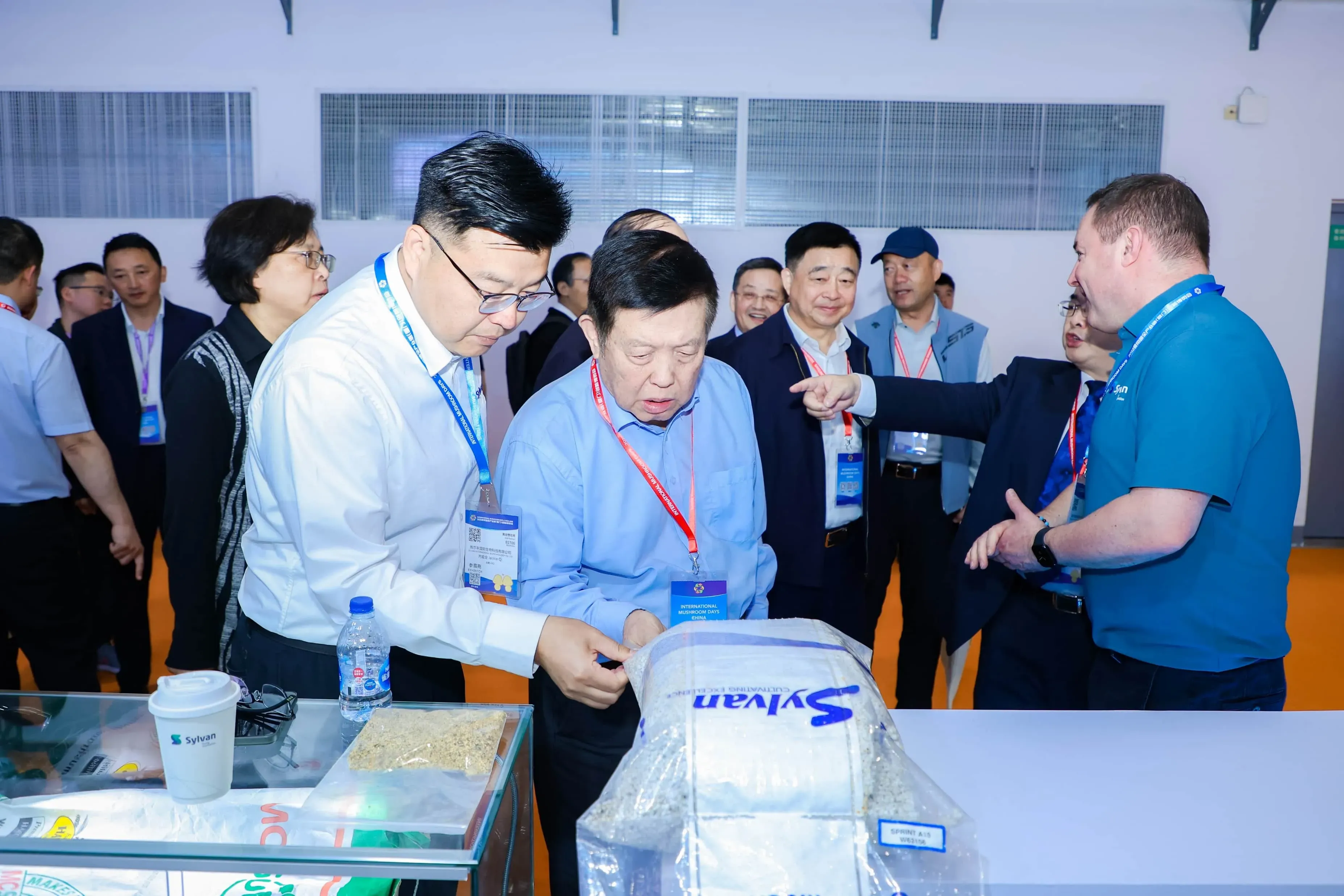
In globalized trade, industry platforms are hubs for information and resources. By attending professional supply chain integration sessions, trading companies access cutting-edge cultivation and processing tech. These events allow buyers to screen suppliers face-to-face, inspect samples, and negotiate terms, greatly improving transaction efficiency. High-frequency interaction helps firms master price trends and secure premium capacity ahead of competitors.
2. Knowledge Sharing and Global Benchmarking of Technical Standards
Competition has shifted from price to standards and discourse power. Attending global conferences provides access to the latest regulations and a voice in standard-setting. Platforms like China Mushroom Days offer direct dialogue with mycologists and regulators. Through high-level knowledge sharing, trading companies can foresee environmental requirements and technical barriers, positioning themselves as industry leaders.
About Us:
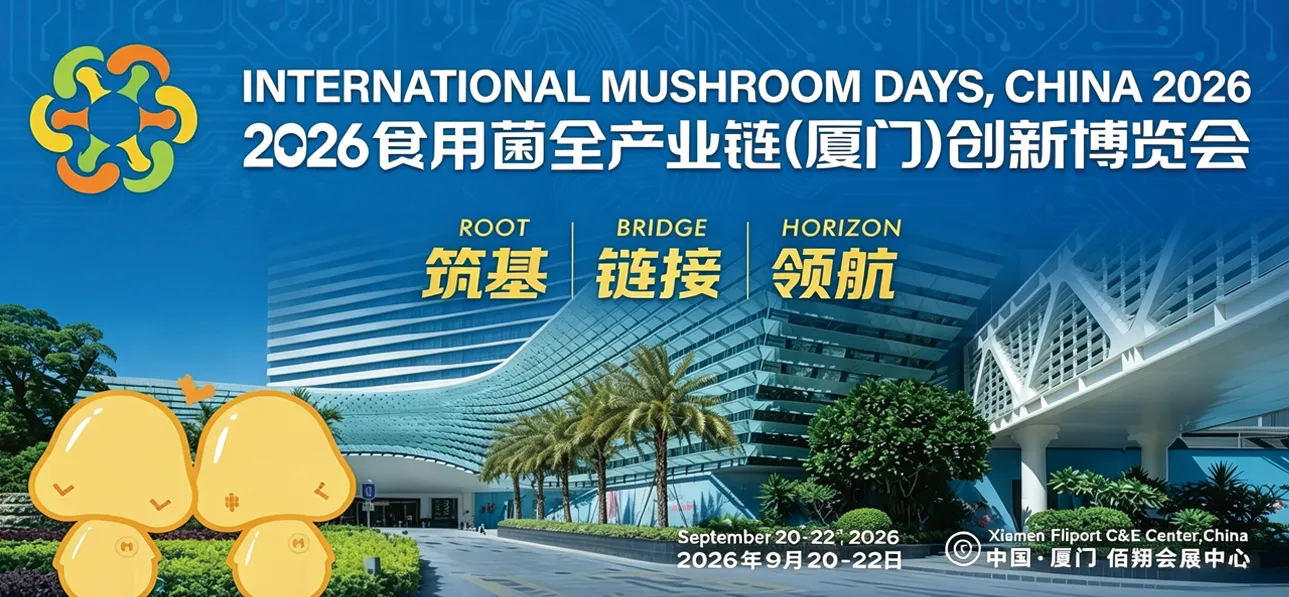
The China Chamber of Commerce of I/E of Foodstuffs, Native Produce and Animal By-products (CFNA) is the largest agricultural trade organization in China. The Edible Fungi and Products Branch (est. 2002) coordinates the import/export of mushrooms. China Mushroom Days is the most influential professional expo in the field.
Official Link: https://international-porcini-conference-cn.chinamushroomdays.com/
FAQ
Q1: What factors do international buyers prioritize when sourcing from China?
A1: They focus on large-scale production capacity, quality certifications (BRC/IFS), compliance records for heavy metals, and the supplier's reputation in global edible fungi trade.
Q2: How is quality loss managed during long-distance cold chain transport?
A2: The core lies in cold chain technology within supply chain integration—using pre-cooling, MAP, and GPS temperature monitoring to extend shelf life and reduce retail loss.
Q3: What is the current demand ratio for dried vs. fresh mushrooms?
A3: Dried mushrooms dominate retail procurement strategies (approx. 70%) due to shelf life, but demand for high-premium fresh and IQF products is rising rapidly with logistics improvements.
Q4: Why should trading companies focus on traceability systems?
A4: It is both a regulatory requirement and a key to building brand trust. Digital traceability allows consumers to see harvest areas and quality reports, commanding a market premium.
Q5: How do retail chains use Private Labels to compete?
A5: By partnering with wholesalers who have strong processing capabilities to develop differentiated private label products, controlling costs while building a brand "moat" through unique recipes.
Q6: How to hedge against exchange rates and seasonal production drops?
A6: Leaders use a diversified sourcing strategy across different regions and lock in capacity with forward contracts, guided by climate forecasts from industry summits.
Q7: What role do technical standards play in global trade?
A7: Quality Standards Certification is the core. It is the passport to high-value markets like Europe/US and the foundation of trust that simplifies contract reviews.
创新博览会LOGO.png)

.webp)

创新博览会LOGO-white.png)