Industry Insights | Strategic Upgrade of 2026 Xiamen Event
Rethink · Reposition · Restart
—— Written prior to the 2026 Edible Fungi Whole Industry Chain (Xiamen) Innovation Expo
Author: Ziqiang Liu | August 24, 2026
This year's Xiamen event will no longer be about holding more forums, packing agendas, or creating superficial bustle. The key is to invite the right people, put real needs on the table, and genuinely push valuable cooperation to the next step.
This Saturday and Sunday, with fewer phone calls than usual, I sat alone in the office for two whole days. What kept running through my mind was not how many more forums, guests, or sessions we should add to this year's Xiamen event, but a most fundamental and crucial question: After traveling thousands of miles to Xiamen, what can everyone actually take away after three days?
If local governments cannot take away industrial directions, investment leads, and cooperation projects; if enterprises cannot take away customers, orders, channels, and solutions; if research institutes cannot find scenarios for translating achievements into commercial products; and if overseas buyers cannot understand the true value of China's edible mushroom industry, then no matter how large the event is or how lively the scene gets, the root problems remain unsolved.
Therefore, this year's Xiamen event must change. Not for the sake of change itself, but because the market has changed, clients have changed, and the logic of industrial development has changed — so we must adapt accordingly. We must first study the "core principles" before determining the "tactics"; we must think through the questions clearly before deciding how to act.
I. Where Have the Major Shifts Occurred?
The world economy in 2026 has not "collapsed," but slower growth and rising uncertainties have become a common reality. In July, the International Monetary Fund projected global economic growth at 3.0% for 2026, while the World Bank estimated 2.5% in June. Although the metrics vary slightly, the direction is consistent: the external environment is more complex, enterprise investment is more cautious, and the market values certainty more than ever. Data from the National Bureau of Statistics shows that China's GDP grew by 4.7% year-on-year in the first half of 2026, and 4.3% in the second quarter. While the economy continues to grow, divergence between sectors and enterprises has become increasingly evident.
What does this mean for the edible and medicinal mushroom industry? In a word: it's not that there is no market, but that the market is more selective; it's not that there are no funds, but that capital only flows to more confident and efficient projects; it's not that there is no demand, but that clients have shifted from "buying a product" to "buying a solution that solves problems."
In the past, businesses could survive by expanding scale, increasing yield, and lowering prices. Today, sticking to the old path will only lead to increasing exhaustion and diminishing returns. The future is not about who cultivates the most, but about who has lower costs, higher efficiency, differentiated products, and more stable channels; ultimately, it is a competition of brand, supply chain, and culture.
II. Where Are the True Bottlenecks for China's Edible Mushroom Industry?
Frankly speaking, China's edible mushroom industry does not lack advantages. Our wide range of varieties, large yield, complete industry chain, and strong equipment manufacturing capabilities represent real foundations. However, "large" does not mean "strong," "having output" does not equate to "having profit," and "having products" does not equal "having a brand."
.webp)
First, able to cultivate, but unable to sell.
Many regions and enterprises focus primarily on building production bases, adding capacity, and boosting cultivation, without thoroughly researching markets, channels, consumption scenarios, and product structures in advance. The result is high activity on the production side, but complete passivity on the sales side.
Second, projects get signed, but may not survive.
Some investment attraction projects place heavy emphasis on signing contracts and construction while neglecting operation, lacking systematic evaluation of raw materials, energy, labor, market radius, technical routes, and operational teams beforehand. Factories get built and machinery installed, yet projects struggle long-term to achieve stable production and profitability.
Third, equipment gets sold, but payments may never be recovered.
What equipment suppliers fear most is not lack of orders, but project misjudgments, operational difficulties of clients, and constantly accumulating accounts receivable. What is truly needed is not a general "client list," but screened projects with genuine investment capacity, real demands, and reliable contract fulfillment capabilities.
Fourth, abundant research findings, but too few converted into products and commercial application.
Research institutes are used to focusing on papers, topics, and awards, whereas enterprises care about mass production feasibility, cost structures, market location, and target buyers. What is lacking between research and industry is not output, but "translators" and "organizers" who understand technology, market demands, and industrial logic simultaneously.
Fifth, numerous regional brands exist, but few are genuinely remembered by consumers.
Many regions boast geographical indications, public brands, and promotional slogans, yet the brand is not genuinely connected to product standards, channel development, consumer awareness, or industrial culture. Building a brand is not about creating a logo or hosting a promo event, but making the market trust it, consumers remember it, and the industry benefit long-term.
Sixth, wanting deep processing and integration with mainstream food industry, but failing to speak the language of food engineering.
Edible fungi cannot remain confined to fresh produce, dried goods, and primary processing. In the future, they must enter broader consumer scenarios such as snack foods, seasonings, ready-to-eat meals, functional foods, fungal protein, and health products. The key is not "processing whatever is available," but studying consumer needs first, then reverse-engineering products, processes, and supply chains.
Seventh, desiring global expansion, yet remaining stuck at "selling products overseas."
True international expansion is not simply exporting fresh, dried, or processed goods, but systematically outputting strain cultures, technologies, equipment, talent, capital, standards, and culinary culture. Understanding only products while ignoring local market rules, channel structures, and cultural habits makes it difficult to go far or sustain success.
In the final analysis, the industry does not lack resources, but lacks properly organized resources; it does not lack technology, but lacks technology converted into products; it does not lack products, but lacks products converted into marketable commodities; it does not lack investment promotion, but lacks pre-evaluation, precise matchmaking, and long-term operational follow-up. What appears to be overcapacity on the surface is essentially a surplus of low-level, homogenized capacity, while high-quality supply with technical, brand, and channel barriers remains severely insufficient.
III. What Do Attendees Truly Seek in Xiamen?
Local governments seek not merely visiting an exhibition, but clearly understanding where the local industry should head, finding truly matching enterprises and projects, and solving a complete set of questions: "what to attract, where to attract, how to negotiate, how to land, how to operate post-landing, and how to sell products once produced."
Production and processing enterprises seek not listening to lofty speeches, but finding clients, channels, orders, OEM partners, technology, and capital, as well as studying how to reduce costs, enter mainstream food sectors, and open up both domestic and international markets.
Equipment manufacturers seek not collecting stacks of business cards, but meeting key decision-makers with procurement and investment authority, identifying in advance which projects represent genuine needs, which clients have payment capabilities, and which partnerships are worth continuous follow-up.
Research institutes seek not self-circulation in isolated academic circles, but finding real industrial application scenarios, enterprise partners, and pathways for achievement conversion, allowing scientific research to move from laboratories onto production lines and into the market.
Overseas professionals seek not a superficial tour of China, but a comprehensive understanding of China's multi-variety edible fungi, industrialization technologies, equipment manufacturing, supply chain capabilities, and consumer markets in one stop, finding Chinese partners for long-term collaboration.
Despite differing surface requests, everyone shares a single underlying demand: reducing information asymmetry, lowering trial-and-error costs, improving cooperation efficiency, and turning "uncertainty" into "greater certainty." This is precisely the problem the Xiamen event must solve.

IV. Why Must the Xiamen Event Be Repositioned?
For an industry trade show, the primary function must be transactions and matchmaking, the secondary function is problem-solving, and only the third function is networking and communication. In the past, we always tried to pack three days full of agenda items. While the intention was good, it often led to a side effect: too many forums diverted audiences, leaving exhibitors standing at booths without meeting enough professional buyers.
This year, we must streamline. What should be cut will be cut, and what should be merged will be merged. We will return precious time and visitor traffic to exhibitors, dedicating more energy to professional buyer organization, pre-screening of demands, precise matchmaking, and post-event implementation. An event does not end when the exhibition booths are dismantled; it begins with the meeting in Xiamen.
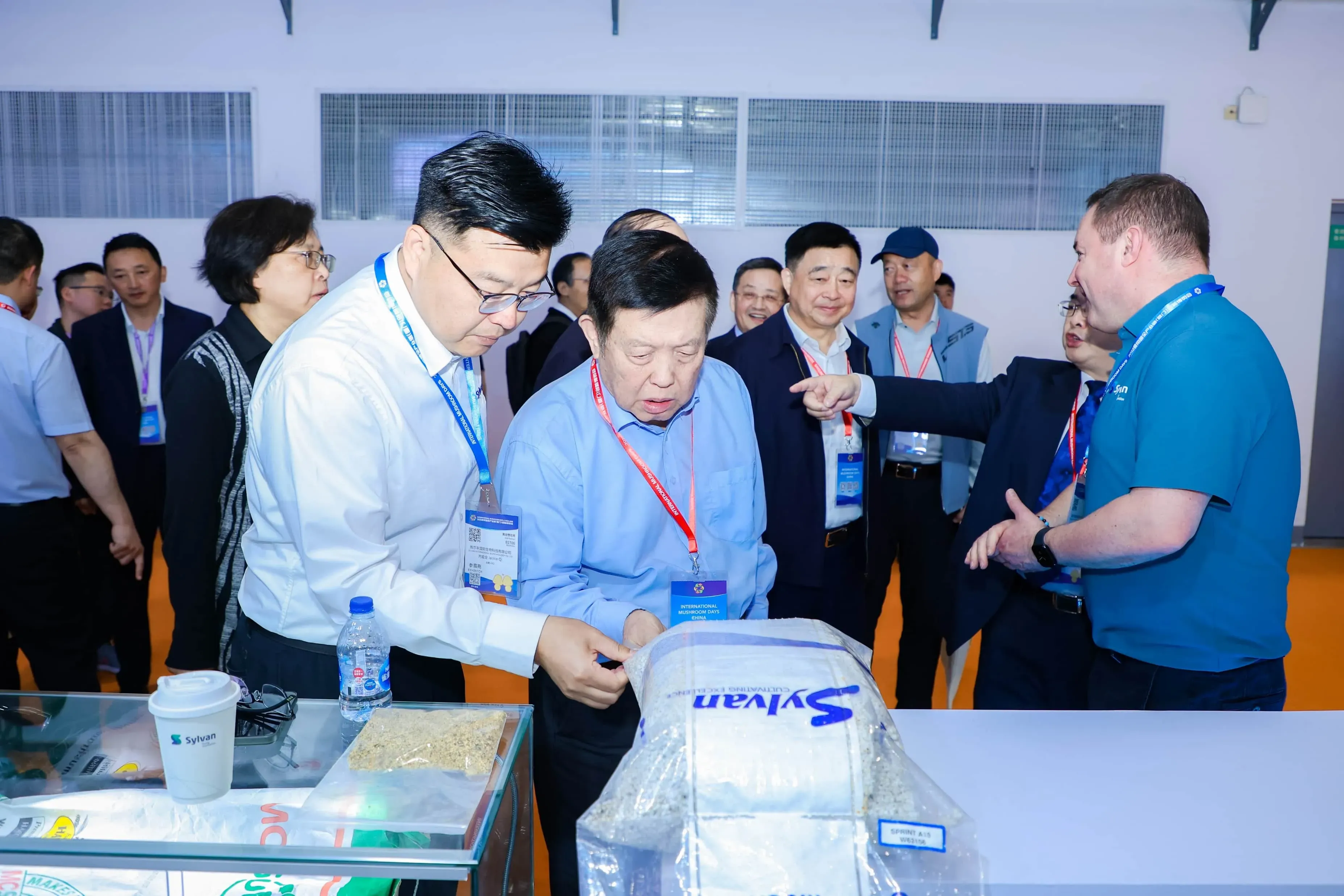
The so-called "Edible Fungi Whole Industry Chain Innovation Expo" cannot merely place strains, raw materials, equipment, production, processing, distribution, research, and government into the same hall. A true full industry chain organizes these resources into a comprehensive service system capable of solving practical problems. Our subcommittee and team cannot settle for being simple exhibition organizers; we must transform into a full-industry-chain integrated solution service platform for edible and medicinal fungi.
V. How Do We Plan to Change for the 2026 Xiamen Event?
First, streamline content and return time to exhibitors.
Opening activities will remain brief and pragmatic. Most of the first day will be reserved for exhibition displays, professional buyers, and procurement matchmaking; the second and third days will focus on deeper, small-scale negotiations around projects that have generated interest and intent. Instead of locking people in conference rooms, we will bring them to exhibition booths and negotiation tables.
Second, launch targeted invitation programs for professional buyers and visitors.
We will implement targeted invitations, classified archiving, and pre-registration of needs focusing on mushroom enterprise executives, processors, distributors, retail chains, catering channels, import/export companies, investment institutions, local government industry departments, research institutes, and overseas buyers. Visitors are not "the more the better," but "whether they create real value for exhibitors."
Third, establish a closed loop of "pre-event screening, in-event matchmaking, and post-event tracking."
Before the event, we will collect genuine resources, actual needs, investment capabilities, and cooperation conditions from governments and enterprises for pre-evaluation of industrial suitability. During the event, we will adhere to "one county per topic, one enterprise per need, one table per plan," cutting pleasantries to discuss raw materials, energy, capacity, markets, investment, responsibilities, and timelines. After the event, a 30-day, 90-day, and 365-day tracking mechanism will be established to continuously push viable projects forward while giving truthful assessments to unviable ones, never signing agreements just for show.
Fourth, provide tangible, actionable industrial services for local governments.
This year, regional branding efforts will be upgraded into the "2026 Annual Observation Report on China Edible Fungi Regional Brand Building," maintaining pure industry public welfare without rankings, appraisals, or charging any fees to local governments. Simultaneously, we will help key producing regions clarify resources, articulate advantages, and solidify projects regarding industrial positioning, project screening, targeted investment, deep processing, channel building, domestic/international markets, and global expansion.
Fifth, create practical service scenarios for enterprises to "find orders, channels, projects, and solutions."
We will promote new product launches, procurement matchmaking, integration between edible fungi and the broader food industry, integration of domestic and foreign trade, and cross-border market connections. We will also explore information services for idle mushroom plants, equipment, and assets to help enterprises monetize existing assets and lower costs, while assisting equipment suppliers in reducing invalid sales and payment risks. All services will remain strictly compliant, truthful, and clear in rights and responsibilities.
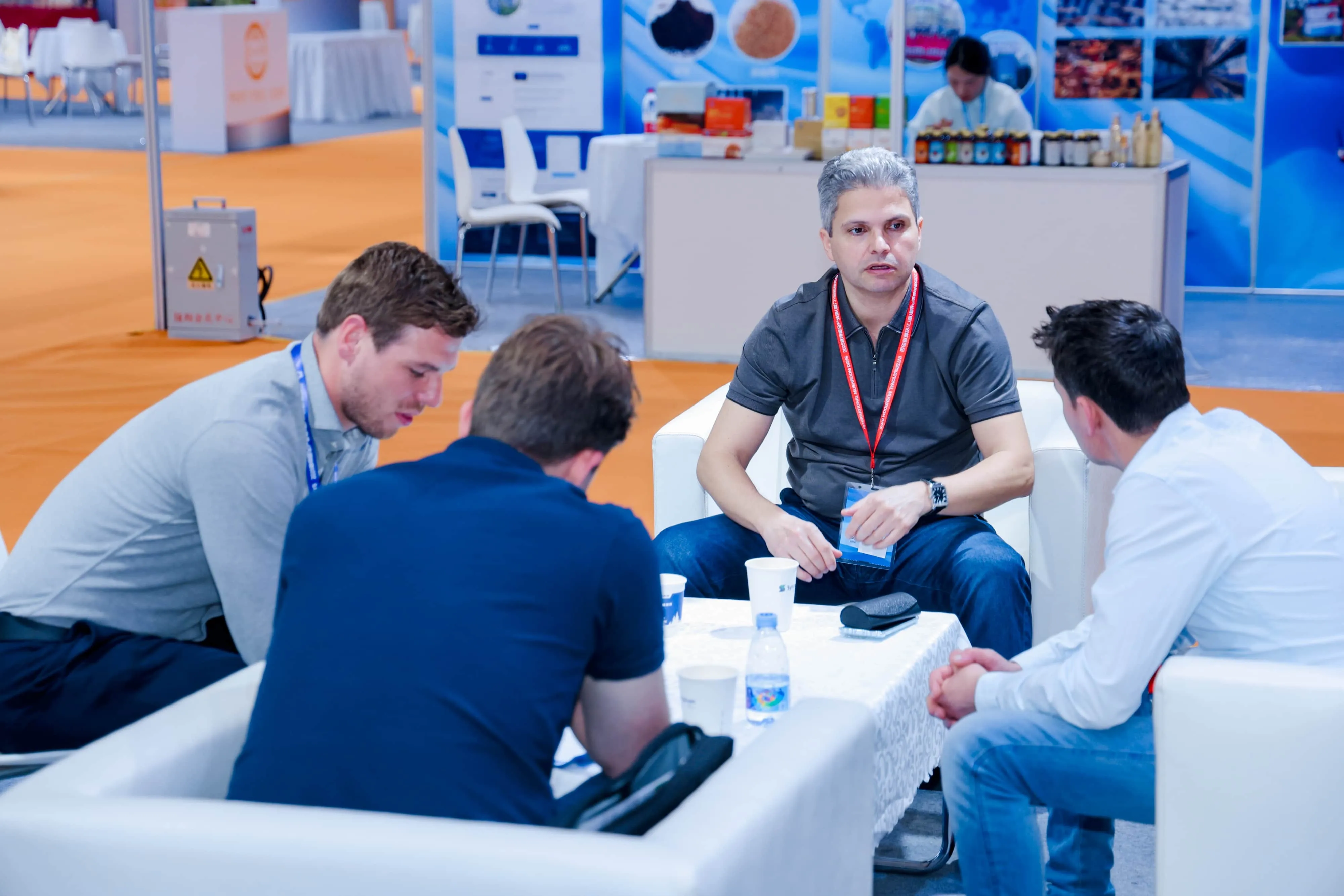
Sixth, transform internationalization from "inviting a few foreigners" to genuine cross-border collaboration.
This year, we will intensify international promotional efforts and invitations for professional overseas buyers. On-site operations will emphasize multilingual materials, project descriptions, product specifications, cooperation terms, and follow-up contacts, ensuring overseas buyers can understand, negotiate, and follow up effectively. Chinese edible fungi going global requires exporting not only products, but also technology, equipment, standards, business models, and culture.
Seventh, let AI work behind the scenes to boost efficiency rather than create hype.
AI will be utilized for data aggregation, demand matching, project profiling, meeting minutes, lead grading, and post-event tracking. However, ultimate industry judgment, credit assessment, and decision-making must be performed by human experts. Never let AI replace thinking; always use AI to amplify thinking.
VI. What Is Our True Core Competitiveness?
To be honest, our core competitiveness has never been how large the venue is or how many forums are held, but over thirty years of deep industrial understanding, accumulated government, enterprise, research, channel, and international resources, and the capability to seat the right people at the same table at critical moments to clarify complex issues and drive cooperation forward.
Our value lies in translating government resource endowments into project terms understandable to enterprises, translating enterprise investment demands into actionable landing plans for governments, translating research findings into products needed by the market, and translating China's full mushroom industry chain capabilities into a language of cooperation that overseas clients can understand and trust.
Professionalism, dedication, focus, and single-mindedness are our core strengths and the foundation of our survival. The more complex the environment, the less we can rely on superficial buzzwords or past routines; the more we must return to professionalism, client needs, and practical results. Practical action is the starting point, validation is the methodology, and evolution is the ultimate goal.
VII. Restarting Anew, Beginning in Xiamen
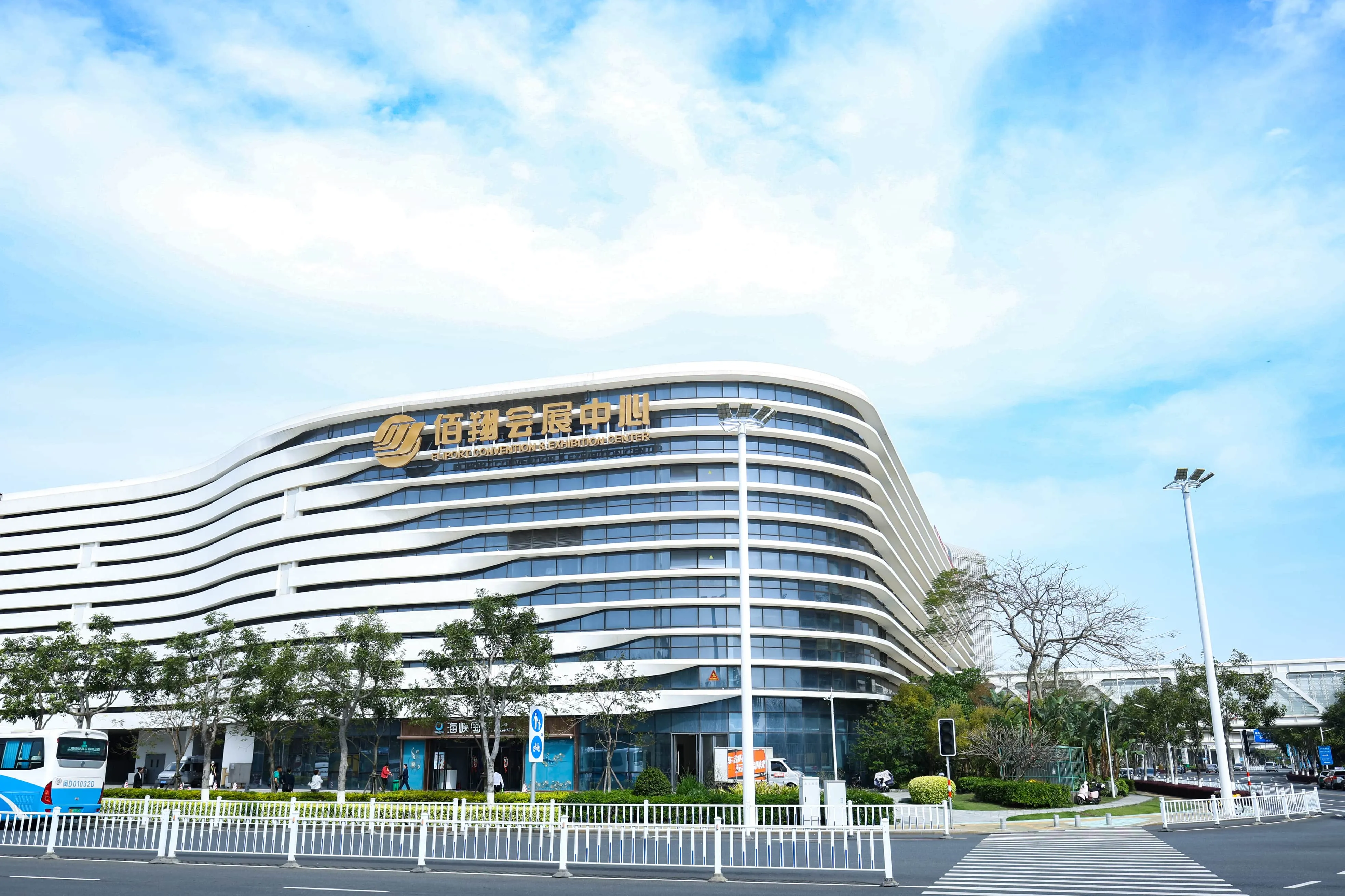
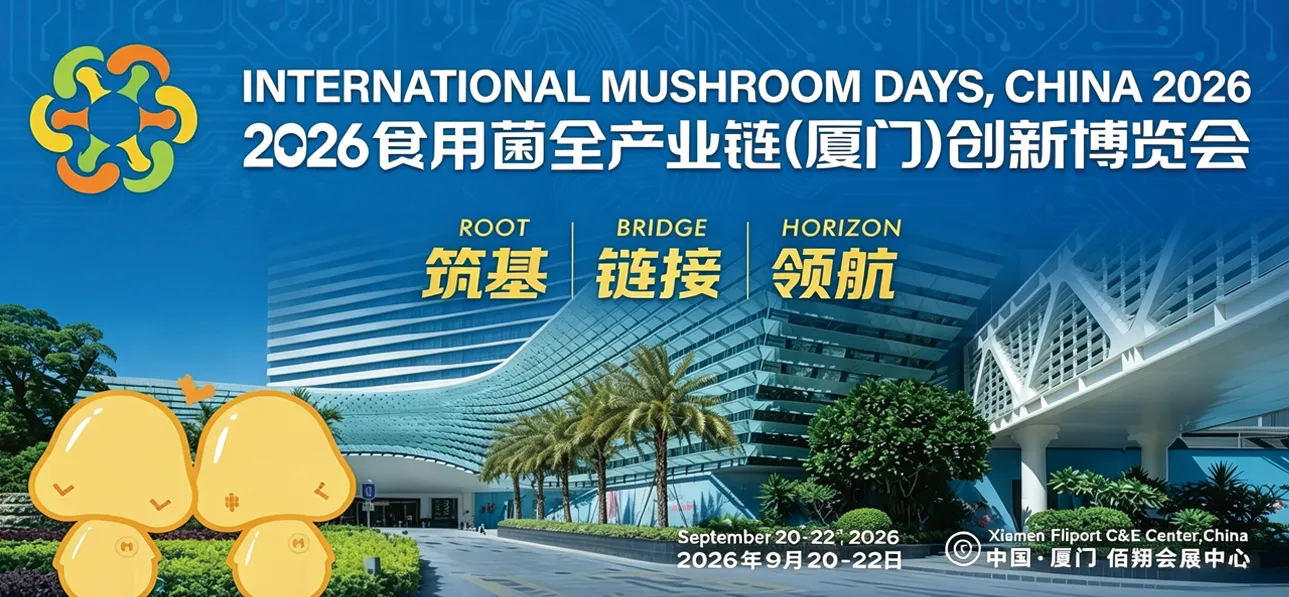
The 2026 Edible Fungi Whole Industry Chain (Xiamen) Innovation Expo will be held from September 20 to 22, 2026, at the Xiamen Fliport Exhibition Center. Our theme remains "Consolidate Foundation · Connect Resources · Lead Navigation," but this year it carries a more pragmatic meaning: consolidating the foundation of survival, connecting truly useful resources, and leading transformation and upgrading.
Currently, the overall agenda for the Xiamen event is being refined and optimized continuously. The first official announcement will be released on the afternoon of August 25. We warmly welcome local governments, mushroom enterprises, equipment suppliers, research institutes, distribution channels, and overseas peers to bring forth real issues, actual demands, and constructive suggestions.
We seek not superficial perfection, but actual problem-solving; not temporary excitement, but long-term value. The key is how to survive, grow, and live well — with dignity, health, sustainability, and brilliance.
The market has changed, clients have changed, and we must change. Xiamen 2026 — restarting anew!
Main Data Sources
- National Bureau of Statistics of China: Preliminary GDP Estimation Results for Q2 and H1 2026
- International Monetary Fund (IMF): World Economic Outlook Update, July 2026
- World Bank: Global Economic Prospects, June 2026
- Central Social Work Department: Interpretation of Measures for the Administration of Evaluation and Recognition Activities of Social Organizations
Ziqiang Liu
Director, Fungi and Smart Horticulture Department, China Chamber of Commerce of I/E of Foodstuffs, Native Produce and Animal By-Products (CFNA)
Executive Vice Chairman, Edible Fungi Sub-Chamber
August 24, 2026
创新博览会LOGO.png)
.webp)
.webp)

创新博览会LOGO-white.png)